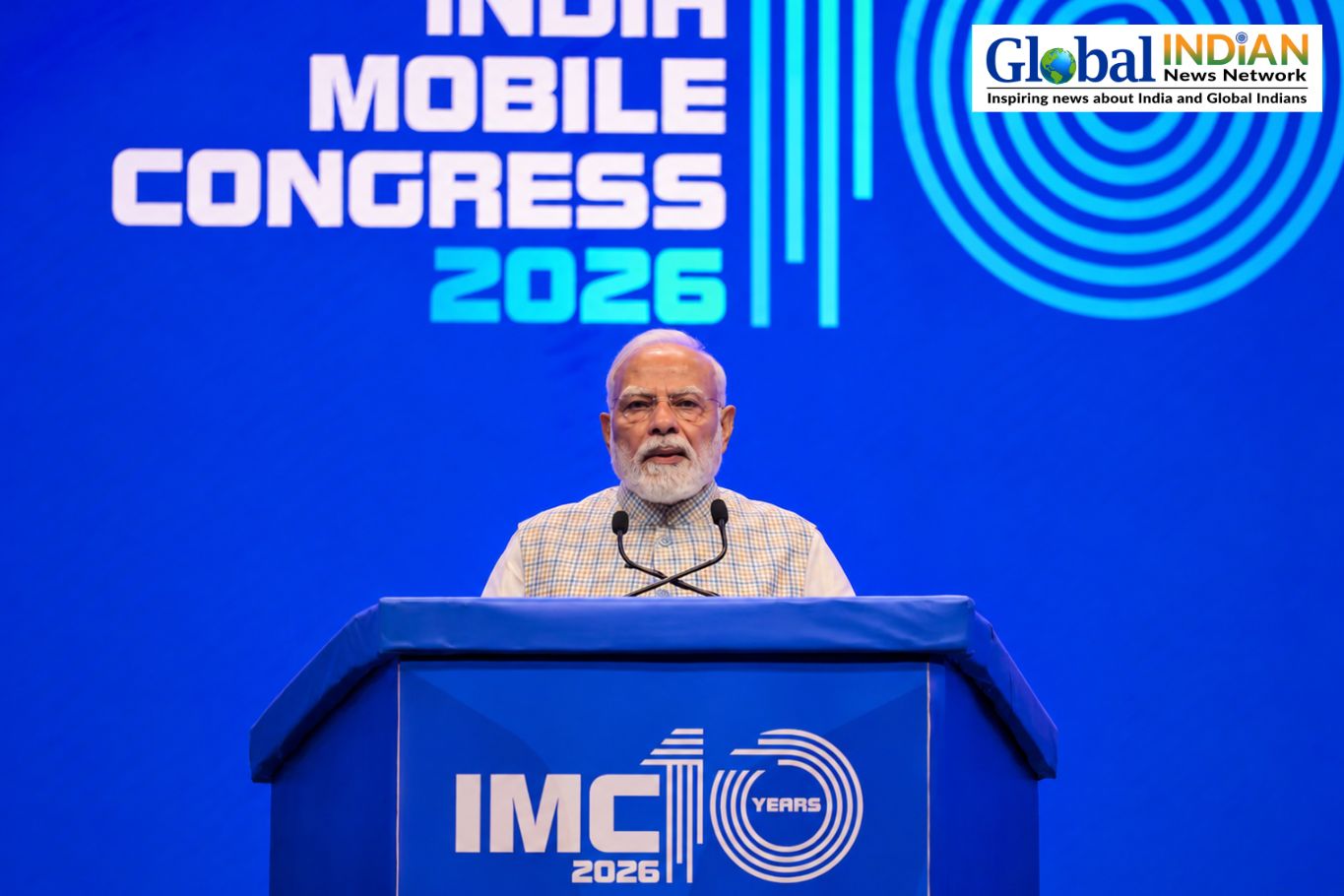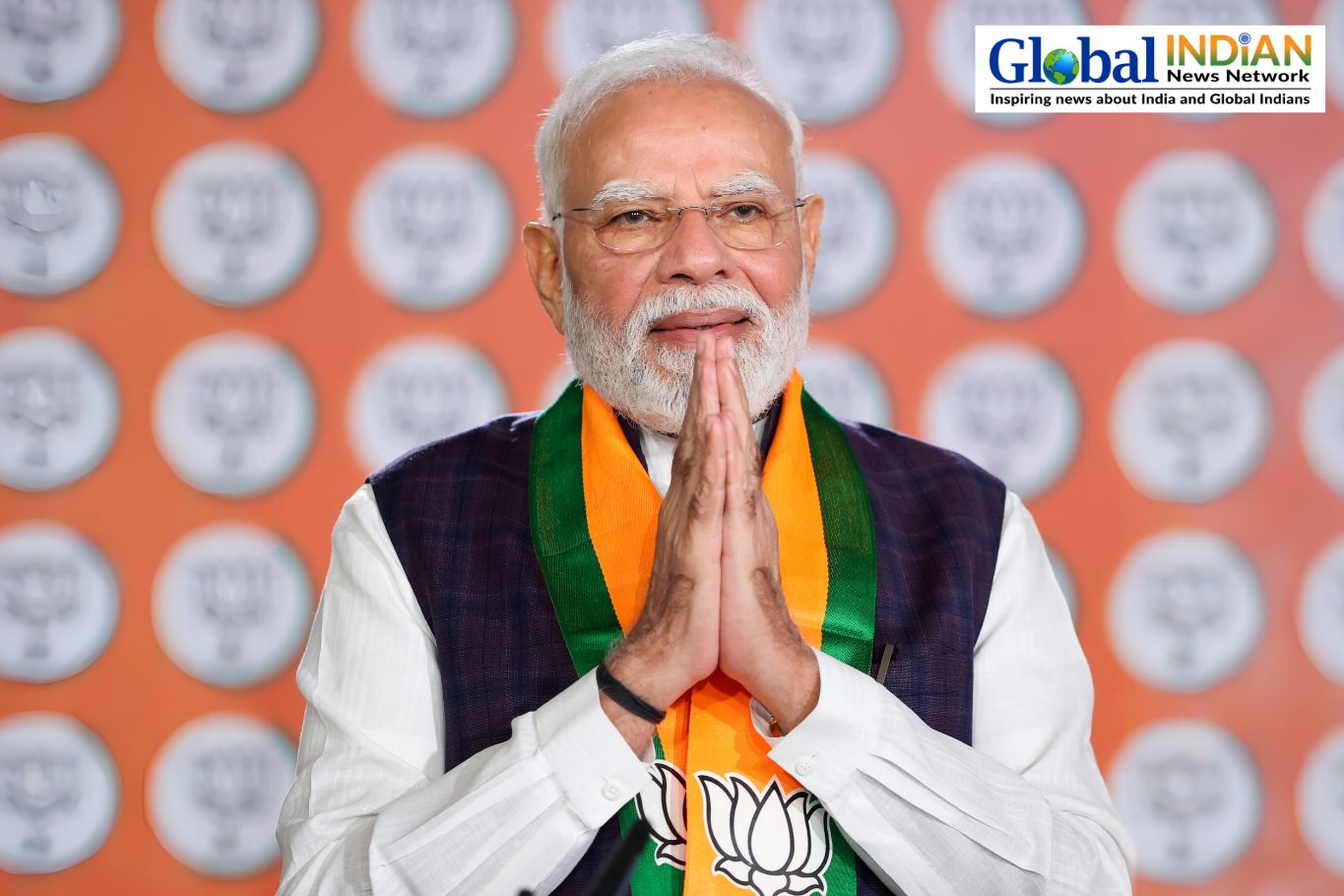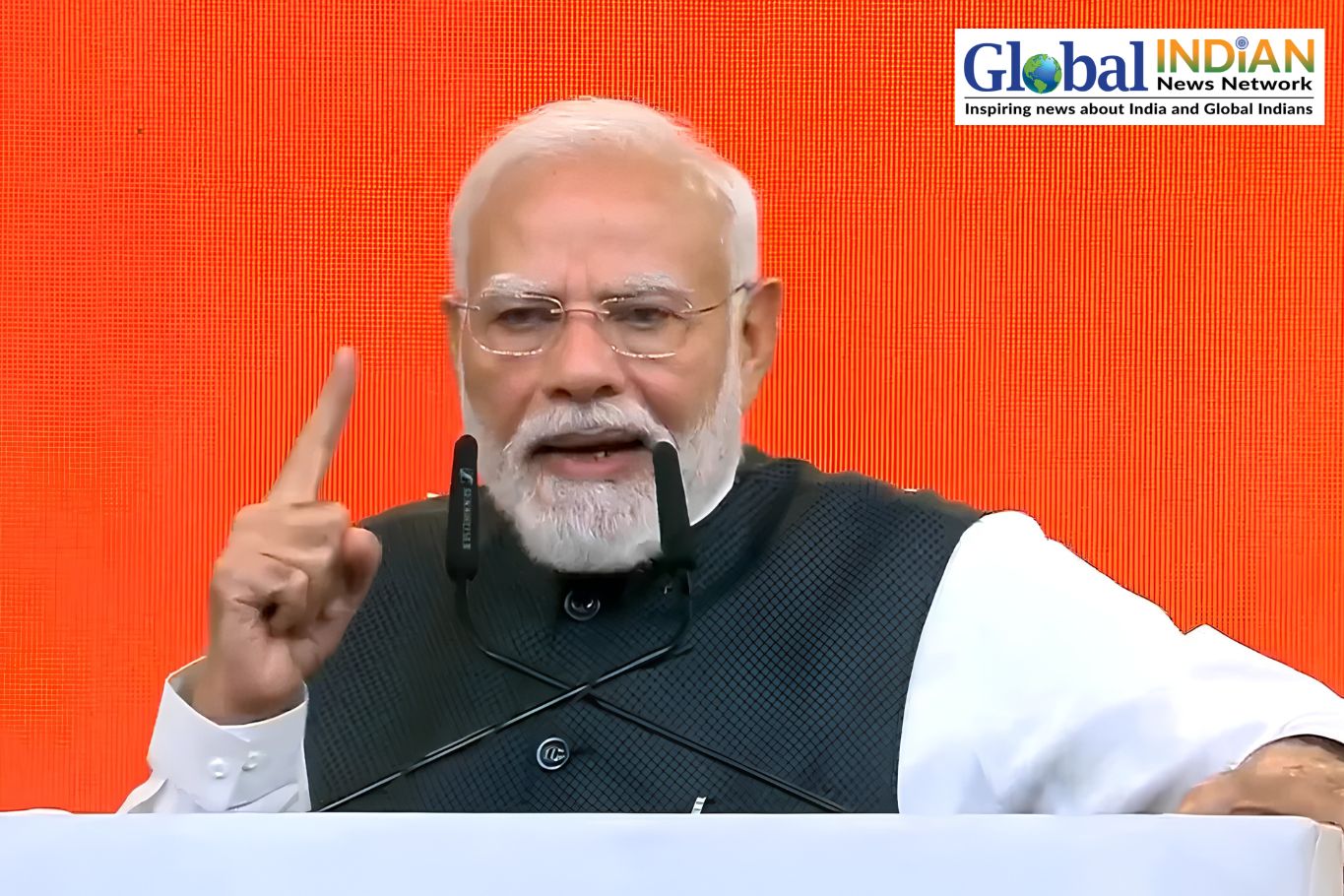
Prime Minister Narendra Modi has highlighted India’s expanding contribution to global innovation, emphasizing that the country’s progress should create opportunities for people worldwide. Speaking Tuesday at the Bloomberg New Economy Forum, he called for technology, knowledge, and innovation to serve the broader public rather than concentrate influence and benefits among a small group. His message centered on the principle of using power to empower others and encourage inclusive development.
Modi explained that the value of wealth, knowledge, and influence depends on how these resources are used. Drawing on India’s longstanding traditions, he argued that meaningful progress comes from applying these strengths to improve lives and expand opportunities. He also pointed to India’s democratic and cultural diversity, noting its extensive media landscape and widespread participation in digital platforms. According to the prime minister, the country has more than 100 languages, approximately 80,000 registered newspapers and publications, and over 1,000 satellite television channels. He added that both YouTube and Instagram have more than 500 million users in India.
Digital accessibility was another major theme of his address. Modi said his government had prioritized making mobile internet data affordable, helping students and other residents of smaller towns access educational resources and information online. He also highlighted India’s willingness to share its experience in digital public infrastructure with other nations, enabling them to develop systems suited to their individual requirements.
The prime minister cited the CoWIN platform, developed during the COVID-19 pandemic and made available as open-source technology, as an example of India’s efforts to support wider adoption of digital solutions. He also emphasized the country’s commitment to addressing climate change through initiatives such as the International Solar Alliance and continued expansion of renewable energy capacity.
On economic policy, Modi described reforms as a matter of conviction rather than necessity. He maintained that India’s development was intended to complement global progress, not come at the expense of other countries. He pointed to economic indicators as evidence of resilience, citing 7.8% growth in the April-June quarter and foreign exchange reserves exceeding $700 billion. He also described India’s banking system as a source of strength.
His remarks followed the International Monetary Fund’s decision to raise its growth forecast for India to 7%, reflecting stronger domestic demand and services activity despite elevated oil prices and geopolitical uncertainty.
Modi concluded by highlighting the growing challenges facing the international economy. He warned that supply chains, energy resources, minerals, payment systems, and technology were increasingly being used as instruments of geopolitical pressure. In this environment, he argued, reliable access to essential supplies and international trust have become critical priorities. India’s approach, he suggested, is to promote cooperation, share expertise, and use innovation to create opportunities beyond its borders.