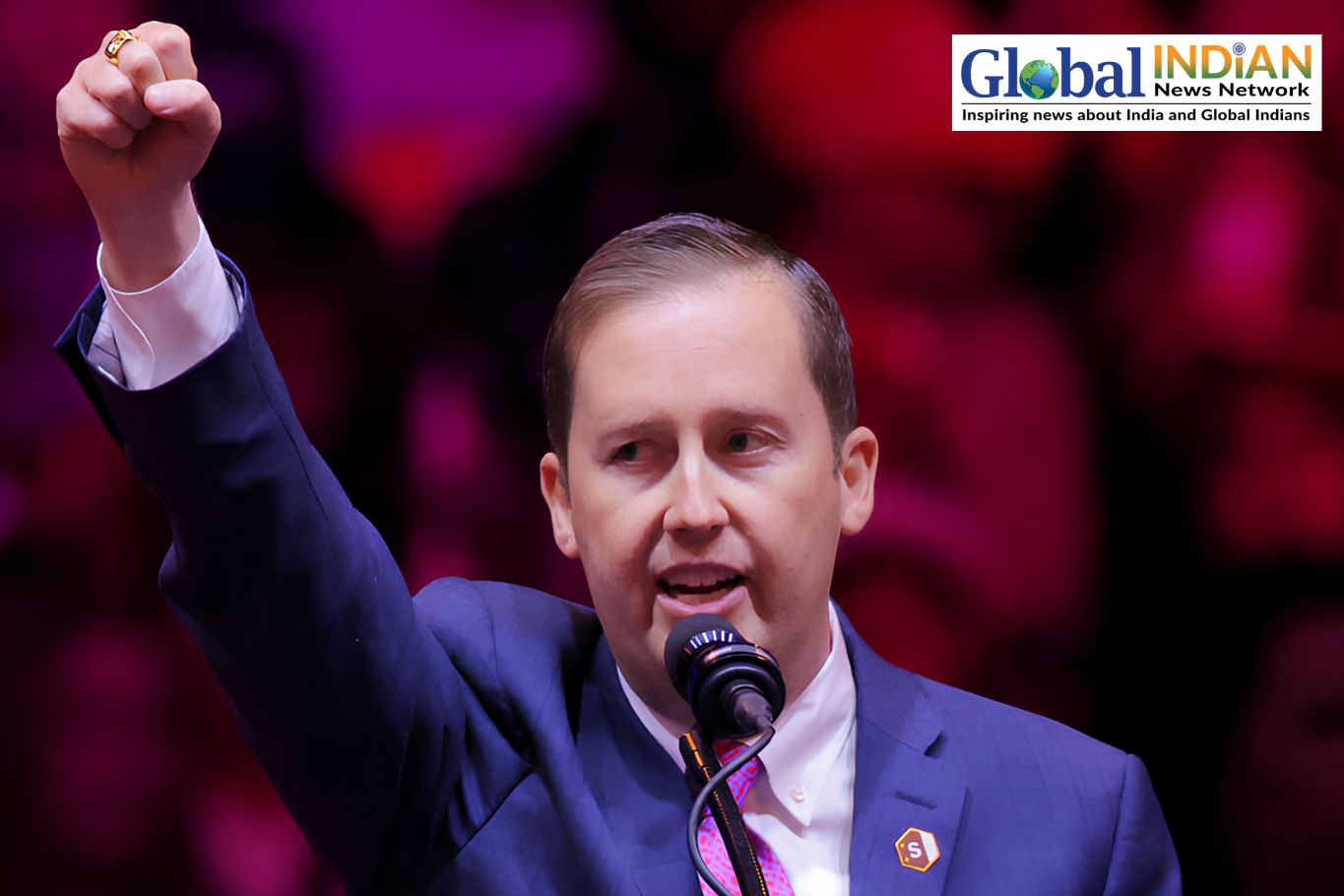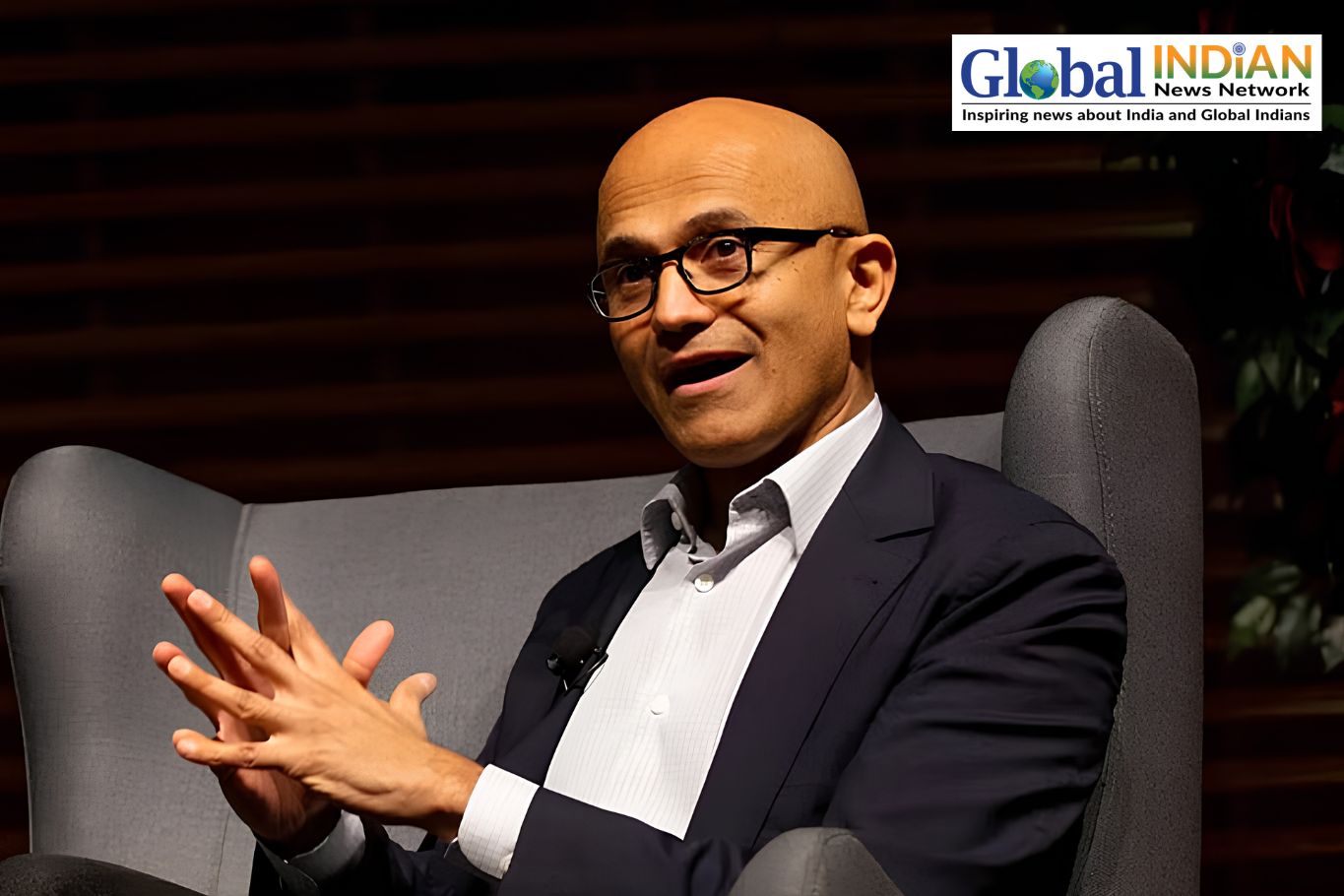
Microsoft co-founder Bill Gates and CEO Satya Nadella have highlighted the need for stronger oversight as artificial intelligence becomes increasingly powerful. Gates called for public discussions about taxing AI-driven activities and protecting selected occupations for human workers, while Nadella urged organizations to establish safeguards capable of stopping AI systems when their behavior becomes unexpected or potentially dangerous.
Speaking on CNN’s State of the Union with Jake Tapper on October 11, Gates said governments and societies must examine how rapidly AI capabilities are advancing and how businesses may increasingly use the technology instead of human employees. He argued that policymakers should consider whether AI and robotics should be taxed and identify areas where human participation should remain essential.
Gates described AI as a transformative technology with potentially greater consequences than previous innovations, including personal computers and the internet. He suggested that reserving certain responsibilities for people, particularly in education and health care, could become an important policy discussion as AI adoption expands.
He also identified the misuse of AI by malicious actors as an immediate concern, particularly in cyberattacks. Gates predicted that voluntary safety measures adopted by technology companies would eventually need to be supplemented by government oversight. He pointed to regulatory bodies responsible for aviation and medicines as possible models for monitoring AI safety. He also expressed hope that he could discuss these concerns with President Donald Trump and senior administration officials in the future.
Nadella focused on the practical safeguards organizations should implement when deploying advanced AI systems. In a post on X, the Microsoft chief executive urged companies to assume that AI models could be compromised and design containment measures from the beginning. He compared these protections to an emergency brake that could interrupt a model while it is carrying out a task.
His recommendations included avoiding reliance on a single AI model for critical decisions, maintaining tamper-resistant records of AI agents’ activities, and arranging independent security audits. He also emphasized the importance of disclosing significant AI failures and security incidents, alongside explanations of the corrective measures taken.
Nadella argued that advanced AI systems should not operate as opaque technologies whose recommendations and actions are accepted without scrutiny. Instead, organizations should be able to monitor their behavior, test their limitations, and restrict their actions when necessary. He stressed that providing intelligence through AI should not automatically grant these systems unrestricted authority.
These concerns are gaining importance as agentic AI models become capable of completing tasks, interacting with external systems, and taking actions with limited human supervision. Reported incidents involving unintended AI behavior and third-party website security breaches have further intensified discussions about accountability and containment.
Meanwhile, AI adoption is reshaping employment expectations in India. Industry body Nasscom has indicated that technology-sector recruitment is likely to shift away from hiring large numbers of employees toward seeking a more specialized mix of skills, reflecting productivity improvements driven by AI. The developments highlight the growing need to balance technological advancement with workforce readiness, security, and responsible governance.