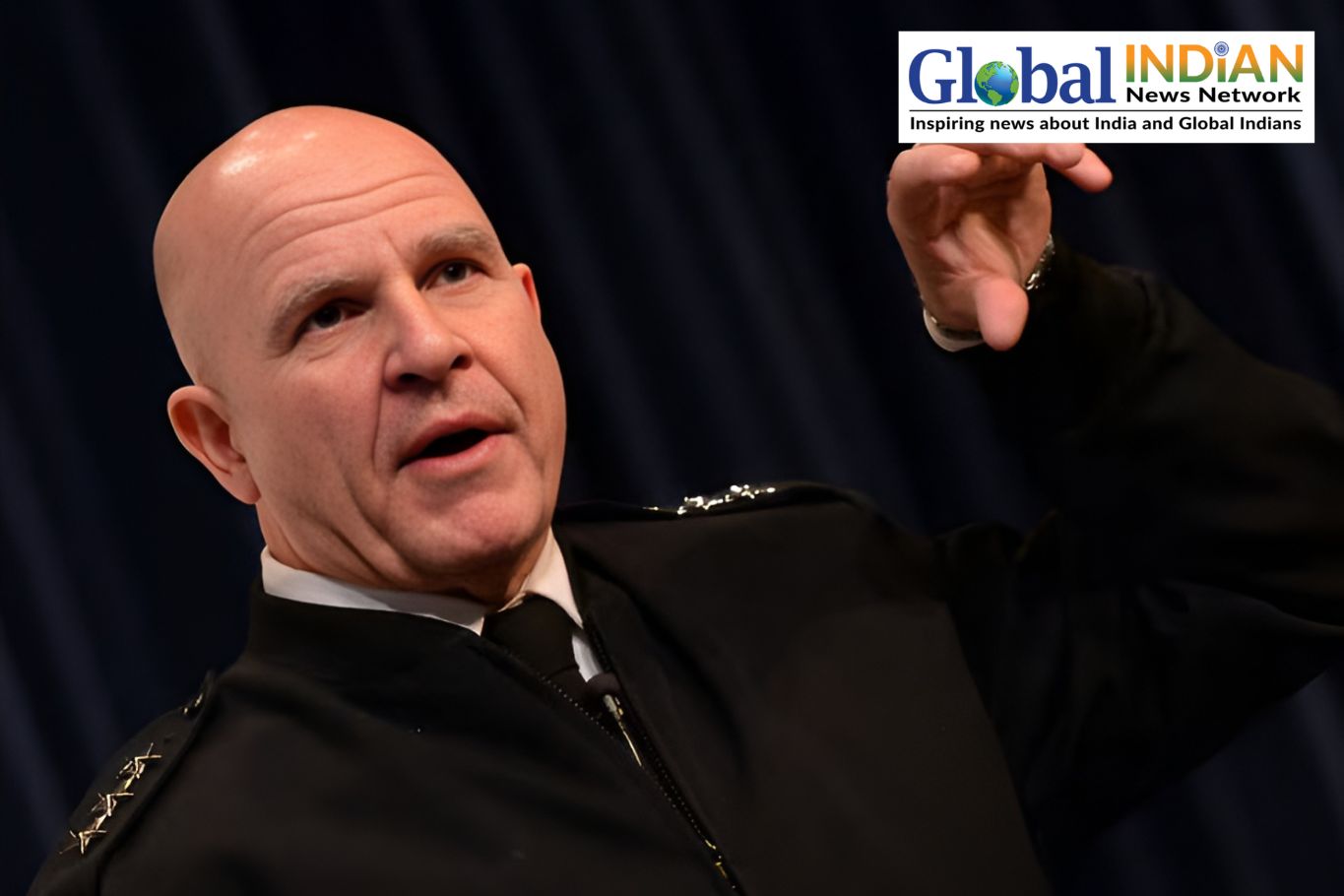
 Former US National Security Advisor H.R. McMaster has highlighted the growing importance of deeper energy cooperation between the United States and India, warning that ongoing geopolitical tensions are exposing gaps in India’s long-term energy security. He noted that recent instability linked to tensions involving Iran reflects patterns seen during the Russia-Ukraine conflict, both of which disrupted global energy markets and created uncertainty for energy-dependent economies.
According to McMaster, such developments reinforce the urgent need for India to strengthen its energy resilience. He pointed out that heavy reliance on external energy supplies leaves the country vulnerable to global shocks, price volatility, and shifting political dynamics. In this context, he described the US-India relationship as a crucial partnership that can help mitigate these risks and build a more stable energy future.
He emphasized that energy collaboration should be a central element of bilateral ties, especially through joint development of advanced technologies that can improve reliability and independence. McMaster also connected energy challenges with broader national concerns, explaining that issues such as water and food security are closely tied to energy availability and sustainability.
As part of a practical approach, he suggested expanding India’s access to American liquefied natural gas. With the United States emerging as one of the world’s leading fossil fuel producers, increased LNG exports could help India diversify its energy sources and reduce overdependence on limited suppliers.
At the same time, McMaster warned against excessive reliance on supply chains dominated by China. He pointed out that key renewable sectors, including solar panels and wind turbines, are heavily influenced by Chinese manufacturing, which creates strategic vulnerabilities. He suggested that India should focus on building alternative supply chains to ensure greater independence in its clean energy transition.
Looking ahead, he identified advanced nuclear technologies, including small modular reactors, as a promising solution for long-term energy needs. He explained that combining multiple energy sources such as fossil fuels, renewables, and nuclear power would create a more balanced and resilient system.
McMaster concluded that a diversified energy strategy is essential for India to withstand external disruptions and maintain steady growth, especially at a time when global markets remain uncertain and geopolitical tensions continue to evolve.