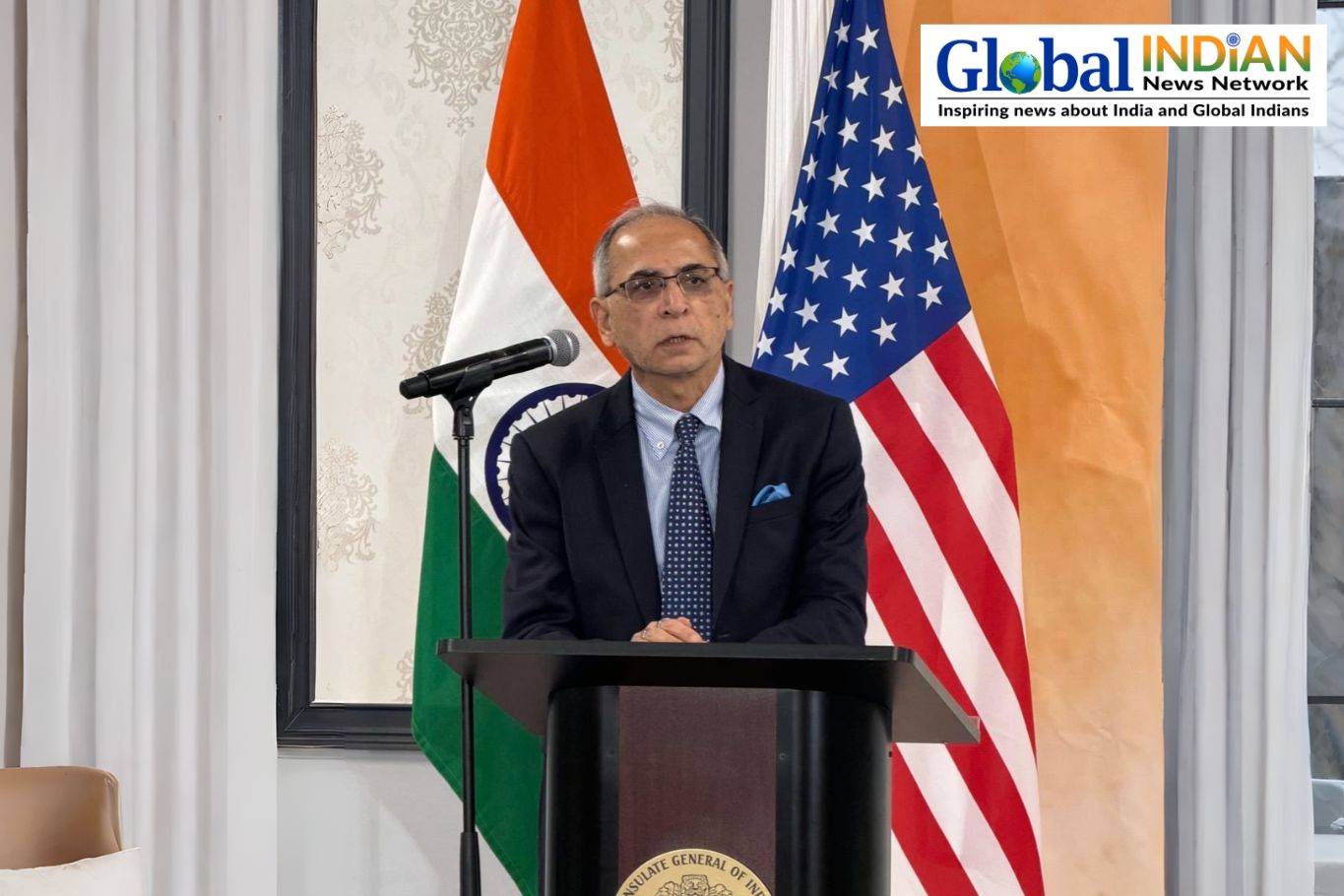
India’s Ambassador to the United States Vinay Kwatra has sought to address concerns surrounding the proposed Foreign Contribution (Regulation) Amendment Bill, 2026, rejecting what he described as misconceptions about the legislation’s impact on nongovernmental organizations, religious institutions and foreign-funded charities.
The proposed legislation, which was reintroduced in the Lok Sabha during the Monsoon Session, seeks to amend the Foreign Contribution (Regulation) Act, 2010. The government has presented the changes as an effort to strengthen transparency, accountability and oversight in the management of foreign contributions received by Indian organizations.
One major concern has involved the treatment of assets belonging to organizations whose FCRA registration is cancelled or surrendered. Kwatra said the basic provision governing such assets has existed since 2010 and therefore does not originate with the 2026 proposal.
He explained that foreign funds and assets created using those contributions are already transferred to the custody of a state authority when an organization loses or gives up its registration. According to him, the proposed changes would establish a specific authority to protect and manage those assets while also creating a mechanism through which an organization could recover them if its registration is restored.
Kwatra also emphasized provisions concerning properties associated with places of worship. He said such assets would receive specific protection, with property linked to a religious site potentially being transferred to another FCRA-registered organization representing the same faith to ensure worship can continue.
The ambassador rejected allegations that the proposed framework is designed to disadvantage particular religious communities or minority organizations. He maintained that the FCRA applies equally to organizations regardless of their religion, ideology or community affiliation. Faith-based organizations can continue to receive foreign funding for eligible activities such as religious education, charitable programs and maintaining places of worship.
Kwatra also challenged claims that foreign funding into India has been declining because of FCRA regulations. He cited government figures showing that foreign contributions received by registered organizations increased from approximately $1.2 billion in 2010-11 to $2.67 billion in 2024-25.
He noted that India has more than 3 million NGOs, while only 14,450 currently hold FCRA registration. According to his explanation, the law primarily establishes procedures for organizations that receive foreign contributions rather than preventing civil society groups from obtaining overseas support.
Kwatra further pointed to comparable foreign-funding regulations in several democracies, including the United States, Australia, Canada, the United Kingdom and the European Union. He described the proposed amendments as part of a continuing effort to improve oversight, governance and transparency.
The Union government is expected to bring the 2026 FCRA Bill up for parliamentary discussion on August 12.