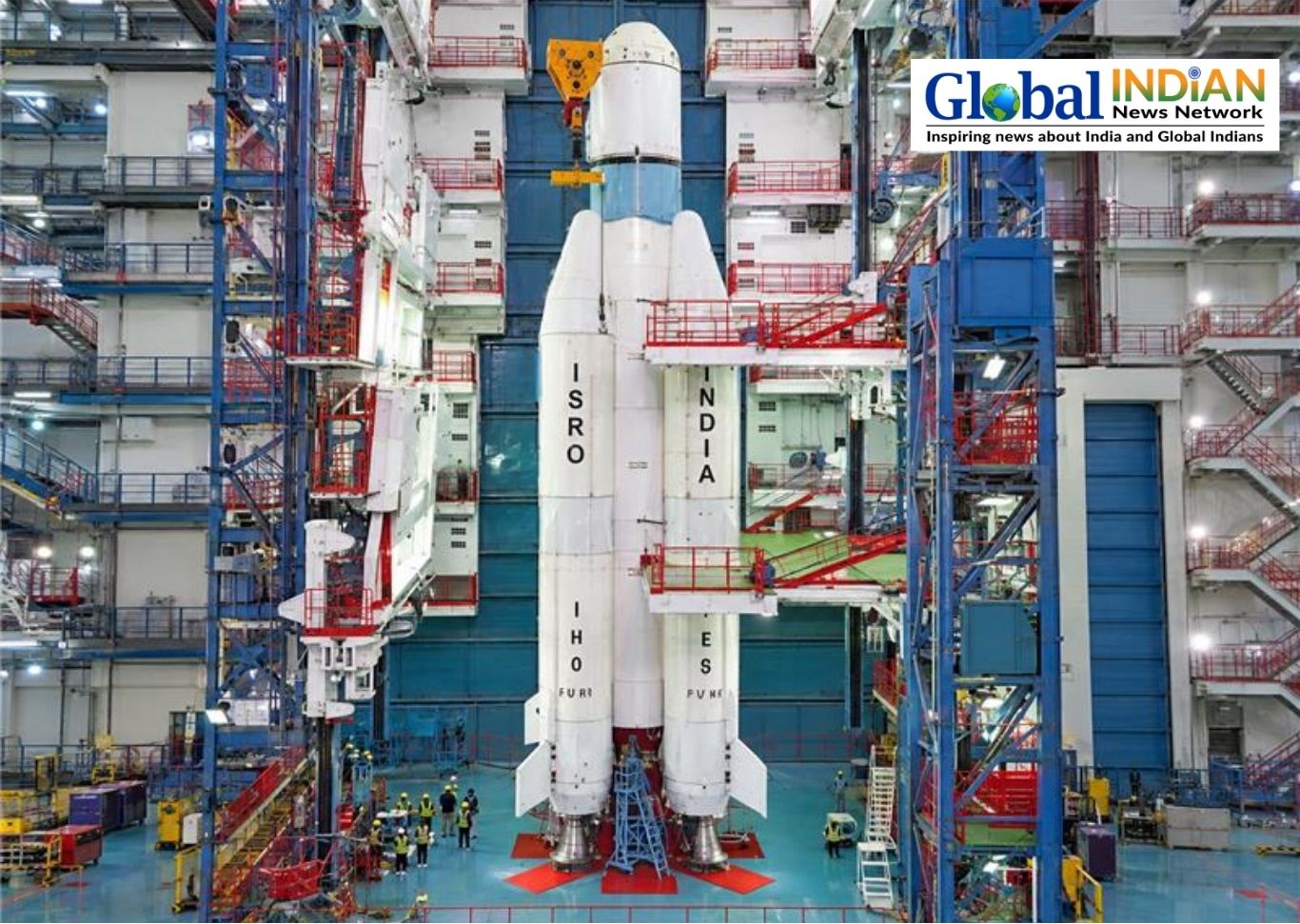
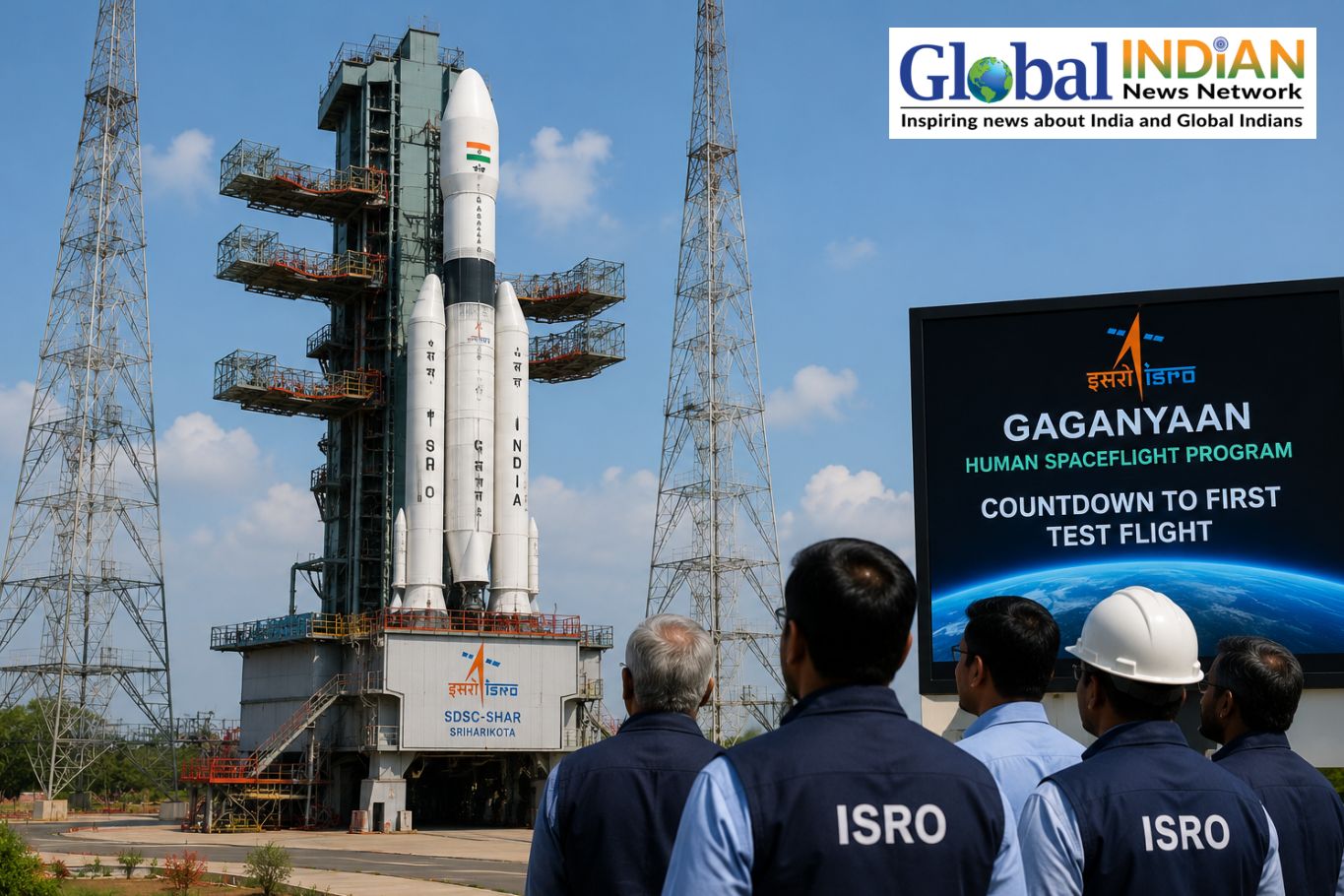
 India’s space agency is making significant progress toward the country’s first human spaceflight program, with preparations underway for the inaugural unmanned Gaganyaan mission expected to be launched before the end of the year. ISRO Chairman V. Narayanan stated that critical components required for the mission have already arrived at the Satish Dhawan Space Centre, where the launch vehicle will be assembled and readied for flight.
According to the chairman, the upcoming mission represents an important milestone in India’s efforts to send astronauts into space under the ambitious Gaganyaan program. The unmanned test flight is designed to validate key systems and technologies before carrying crew members on future missions.
A major focus of the mission will be monitoring the space environment to ensure astronaut safety. Advanced sensors will be deployed to measure gamma radiation, ultraviolet exposure, and cosmic radiation levels. The data collected from these instruments will help scientists better understand the conditions astronauts may encounter during space travel and support the development of protective measures for future crewed missions.
The chairman also provided an update on the construction of the new space launch facility at Kulasekarapattinam in Tamil Nadu. He indicated that the project is progressing as planned and is expected to be completed within the next two years. Once operational, the facility will enhance India’s launch capabilities, particularly for smaller satellite missions.
The strategic location of the upcoming space center is expected to provide operational advantages for launching satellites efficiently. It will complement existing infrastructure and strengthen India’s growing role in the global space sector.
In addition to launch capabilities, ISRO continues to expand the country’s expertise in satellite development and manufacturing. The chairman emphasized that India now possesses the technological capability to build a wide variety of satellites at competitive costs. Successful testing and advancements in engineering have enabled the country to emerge as a reliable player in the international space market.
He further highlighted the importance of transferring space technologies to private industry. Such collaborations are expected to accelerate innovation, encourage commercial participation, and create new opportunities for Indian companies within the rapidly expanding global space economy.
The combined focus on human spaceflight, infrastructure development, satellite production, and industry partnerships reflects India’s broader ambition to strengthen its position as a leading spacefaring nation. With the Gaganyaan mission approaching a critical phase, ISRO continues to move closer to achieving one of the most significant milestones in the country’s space exploration journey.