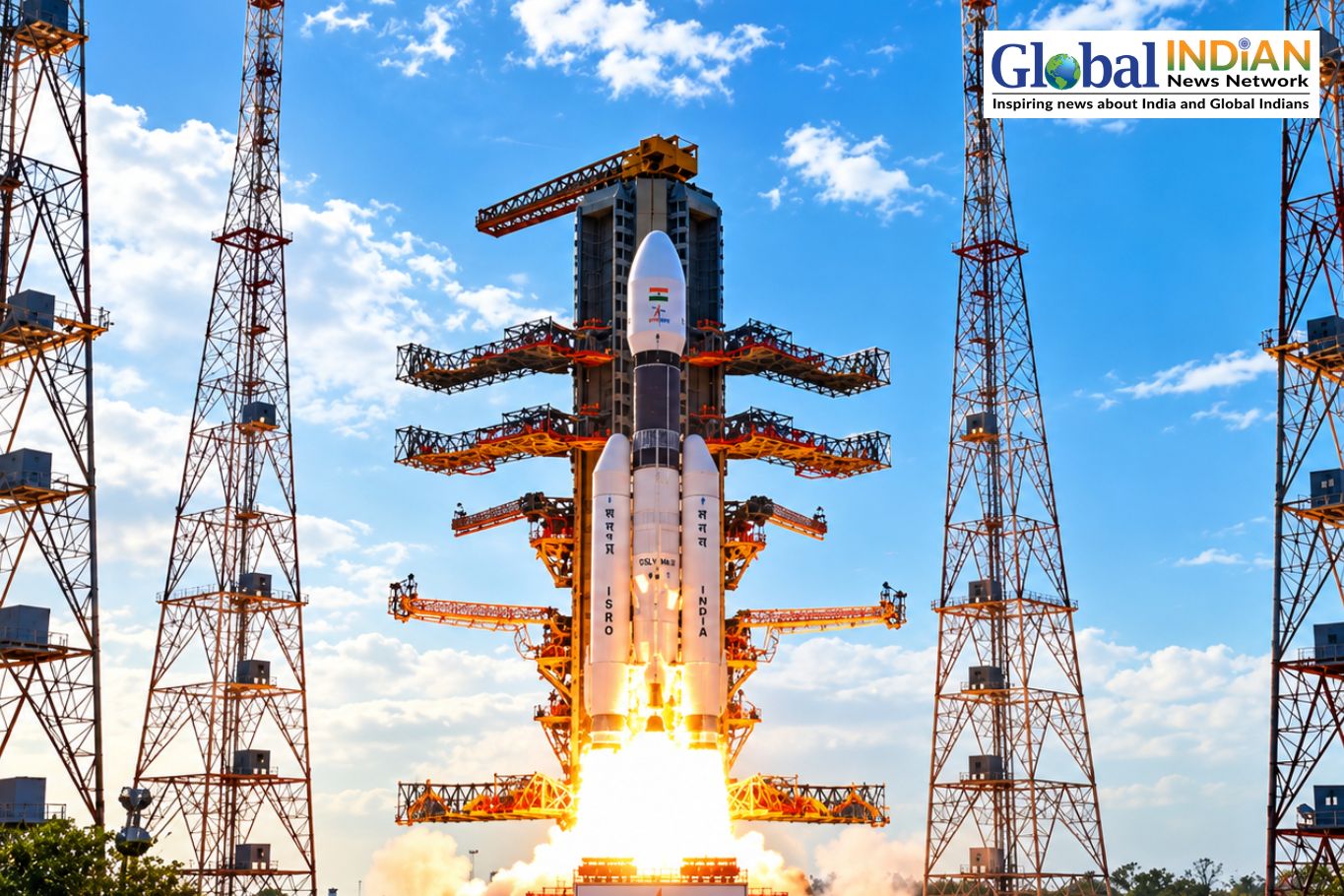
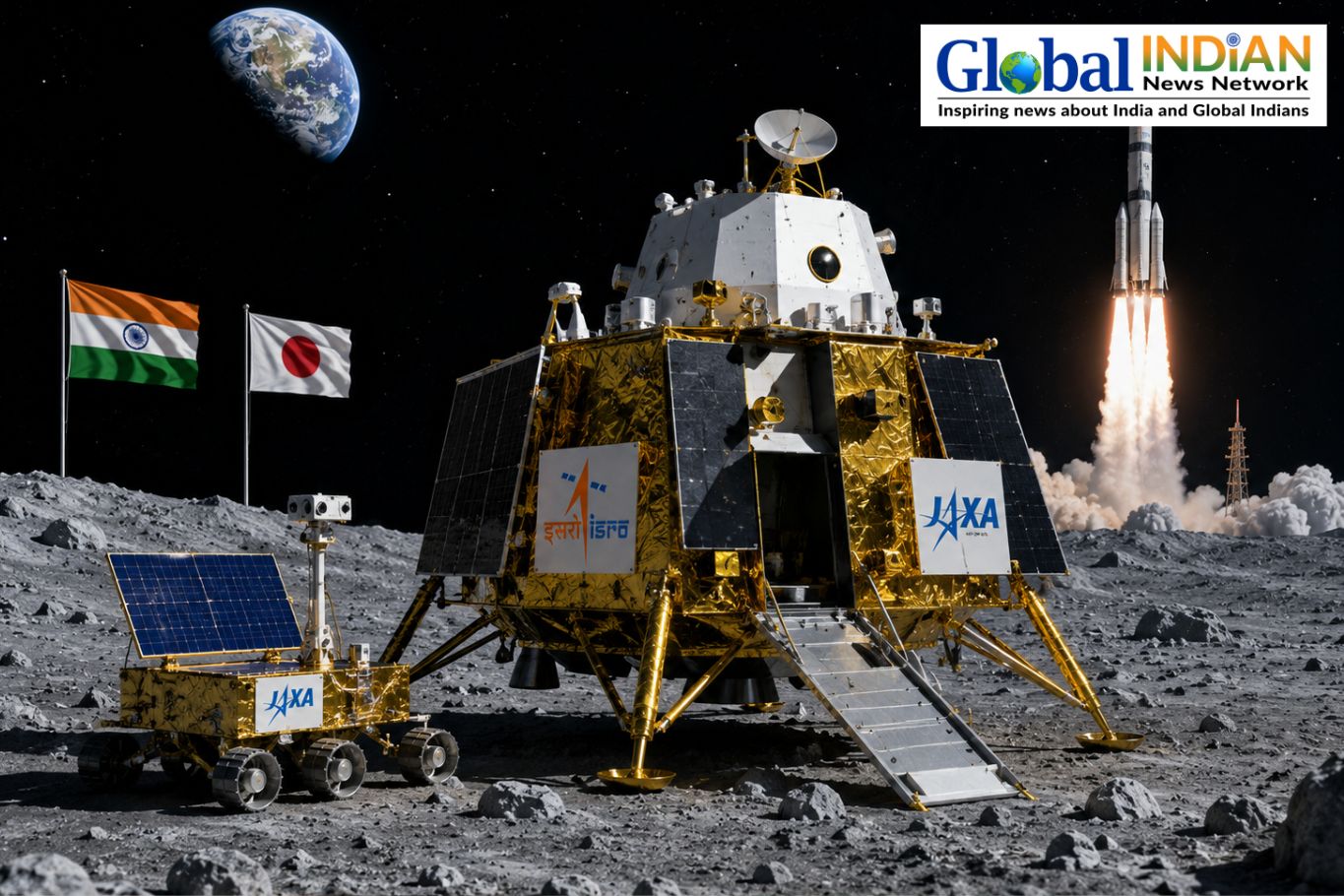
 India’s Chandrayaan-5 mission has reached another important milestone as scientists and engineers from the Indian Space Research Organisation (Isro) and the Japan Aerospace Exploration Agency (JAXA) continue joint technical discussions to prepare for their upcoming lunar expedition. The collaborative effort marks steady progress toward one of the most ambitious Moon exploration missions planned by the two space agencies.
The latest round of technical meetings is taking place at Isro’s U R Rao Satellite Centre (URSC) in Bengaluru, where experts are working to finalize critical engineering and operational details for the Lunar Polar Exploration (LUPEX) mission, internationally known as Chandrayaan-5. Teams from both countries are coordinating the integration of key systems that will enable the mission to function efficiently after reaching the Moon.
A major focus of the discussions is the Interface Control Specification (ICS), which defines how India’s lunar lander and Japan’s rover will interact once they arrive on the lunar surface. Engineers are ensuring that the two spacecraft can communicate effectively, exchange power when required, and operate seamlessly as a single exploration system. Establishing this compatibility is considered essential for the mission’s success.
In addition to lander-rover integration, scientists are evaluating the scientific instruments that will be installed on the Japanese-built rover. These advanced payloads are expected to analyze the lunar surface and investigate the presence of water ice in the Moon’s south polar region. Researchers consider this area one of the most valuable locations for future exploration because permanently shadowed craters may contain frozen water preserved for billions of years.
The LUPEX mission is designed to build on the achievements of Chandrayaan-3, which made history by becoming the first spacecraft to achieve a soft landing near the Moon’s south pole in August 2023. While that mission successfully demonstrated India’s landing capabilities and carried out limited scientific experiments, Chandrayaan-5 is expected to deliver a more advanced rover capable of traveling greater distances and conducting detailed investigations across the challenging polar terrain.
Scientists hope the mission will provide crucial insights into the quantity, distribution, and accessibility of lunar water ice, information that could play a vital role in supporting future human settlements and long-duration missions on the Moon. The data gathered may also improve understanding of the Moon’s geological evolution and resource potential.
As technical coordination continues at URSC, the partnership between Isro and JAXA is steadily moving closer to launch readiness. The mission reflects the growing strength of international cooperation in space exploration and represents another significant step toward unlocking the scientific mysteries of the Moon’s south pole.