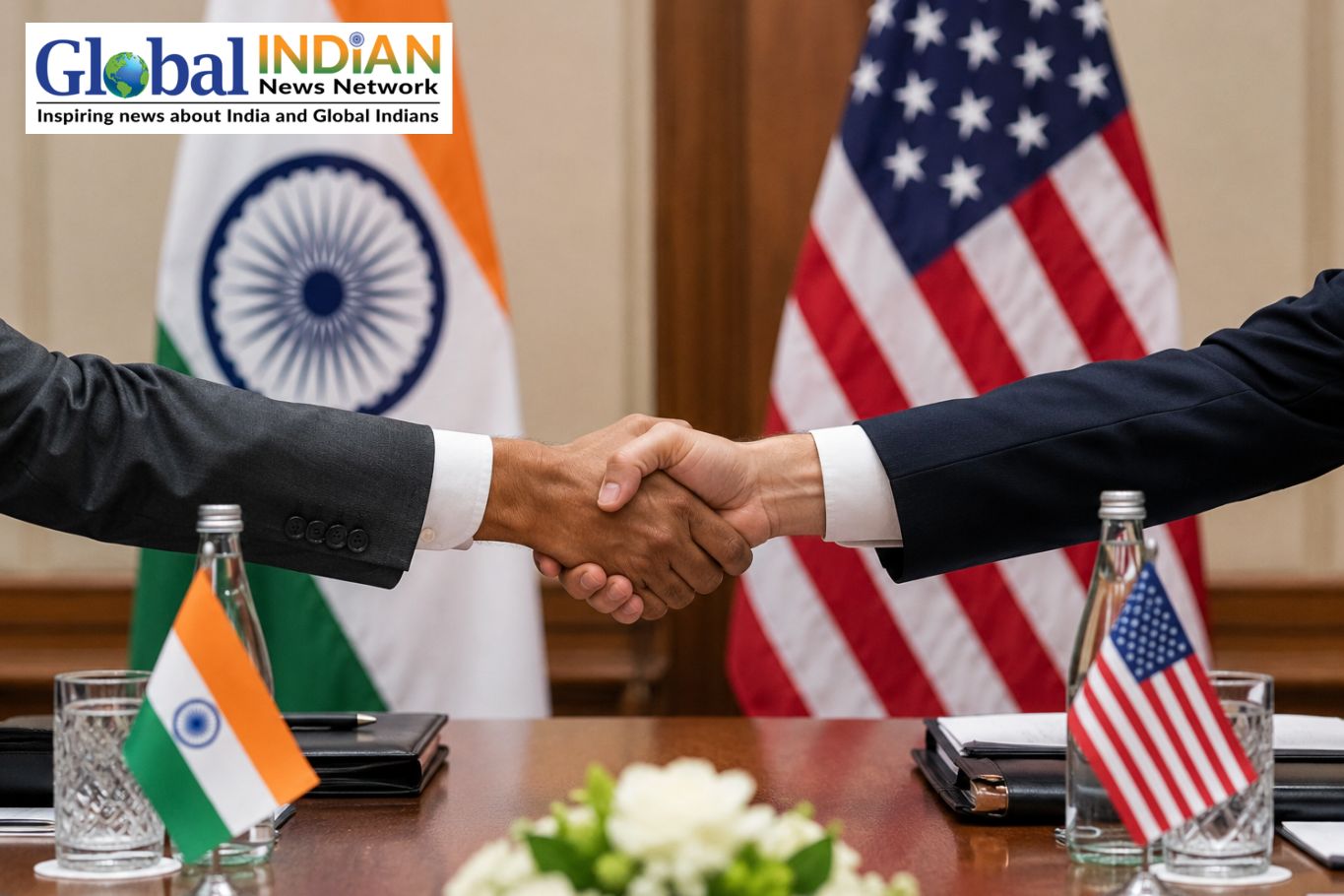
 India and the United States are moving toward the completion of their first Bilateral Trade Agreement (BTA), with officials from both countries working to resolve a handful of remaining issues before formally announcing the initial phase of the pact. The agreement is expected to mark a significant milestone in economic relations between the two nations and could provide Indian exporters with improved access to the American market.
According to government sources, one of the key topics under discussion involves tariffs imposed under Section 301 of US trade laws. India is also seeking progress on matters related to ongoing Section 301 investigations, which have become an important element of the broader negotiations. These discussions are expected to play a role in shaping future trade dynamics between the two countries.
The proposed agreement extends beyond tariff-related issues and covers a wide range of economic areas. Negotiators have been working on provisions related to market access, non-tariff barriers, customs procedures, investment promotion, and economic security cooperation. Officials say the majority of the framework has already been agreed upon, with current efforts focused on finalizing technical provisions and legal language.
Commerce and Industry Minister Piyush Goyal recently indicated that nearly all major negotiations have been completed, with only a small number of issues still requiring resolution. Discussions between officials from both countries are scheduled over several days in early June, after which the first phase of the agreement is expected to be announced.
The minister also emphasized that the upcoming agreement represents only the beginning of a broader trade partnership. While the first phase is nearing completion, both governments are expected to continue discussions on additional areas of cooperation under a future second phase.
Government officials noted that the trade pact could offer Indian exporters preferential treatment compared with competitors in certain sectors, potentially strengthening India’s position in the global marketplace. Enhanced market access could also create new opportunities for businesses engaged in manufacturing, agriculture, and services.
The negotiations are being led by senior trade officials from both sides. The US delegation is headed by chief negotiator Brendan Lynch, while India’s negotiating team is led by Darpan Jain, Additional Secretary in the Department of Commerce.
The discussions are taking place against the backdrop of broader US trade investigations under Section 301, which cover multiple economies, including India and China. These investigations examine trade-related policies and practices that may affect US commercial interests. As both countries work toward concluding the agreement, the focus remains on resolving outstanding concerns and establishing a stronger framework for future economic cooperation.