 India’s political landscape witnessed a historic turning point after the 2026 Kerala Assembly election results brought an end to the country’s last remaining Left-led state government. The defeat of the Left Democratic Front in Kerala marked the first time in nearly five decades that no Indian state remains under communist or Left-wing rule.
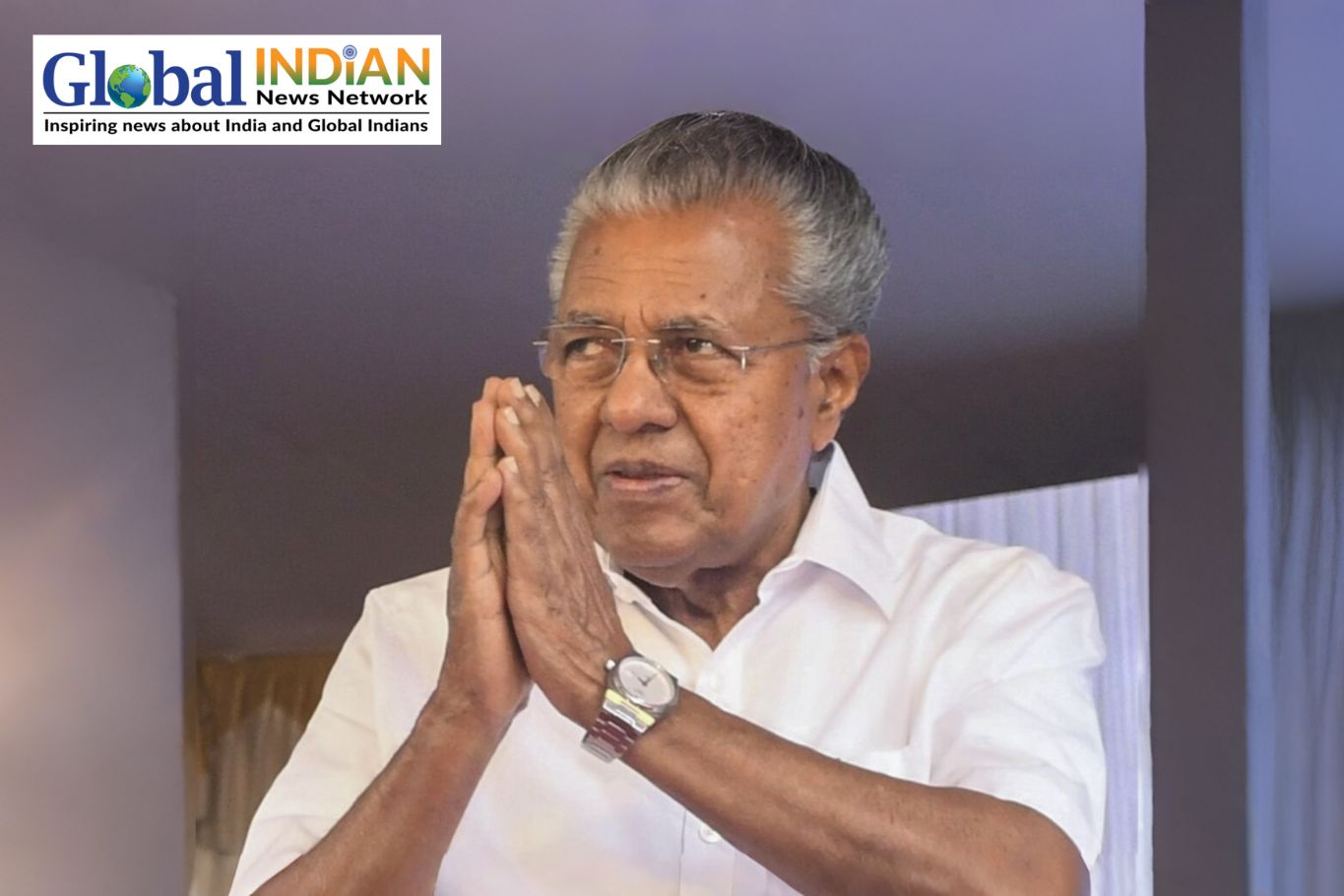
The Congress-led United Democratic Front secured a commanding victory in the 140-member Assembly, winning or leading in 98 seats, while the Left Democratic Front managed only 35 seats. The outcome represented a dramatic reversal for the coalition led by Chief Minister Pinarayi Vijayan, whose government had previously earned national and international attention for welfare programs and public health initiatives.
Kerala has long occupied a unique place in global political history. In 1957, it became the first region in the world to democratically elect a communist government under the leadership of E. M. S. Namboodiripad. Since the late 1970s, at least one Indian state had consistently remained under Left influence, either in Kerala, West Bengal, or Tripura. The latest election result effectively closed that long political chapter.
Political experts believe the decline of the Left has been gradual but steady over the years. Once a major force in national politics with 62 seats in Parliament in 2004, Left parties now hold only a small presence at the national level. Analysts say the movement struggled to expand beyond a few regional strongholds and failed to adapt to changing economic, social, and political realities.
Observers also pointed to changing voter priorities and the rise of right-leaning politics across India. According to political commentators, traditional Left parties were increasingly viewed as disconnected from younger voters and modern political challenges, including employment concerns, wealth inequality, and social representation.
Despite the electoral defeat, the outgoing Kerala government under Pinarayi Vijayan had implemented several welfare-focused initiatives. During the COVID-19 pandemic, Kerala’s response strategy received widespread praise for its efficiency and public health management. The administration also launched poverty alleviation measures and expanded social welfare support for vulnerable communities.
However, critics argued that the Left gradually lost its image as a grassroots movement challenging authority and instead began appearing more establishment-oriented. Many traditional supporters reportedly voted against the ruling coalition as a message demanding internal reform and accountability.
Political analysts believe the future of Left-wing politics in India will depend on whether the movement can reinvent itself to address modern economic and social concerns while reconnecting with younger generations and working-class voters in a rapidly changing political environment.