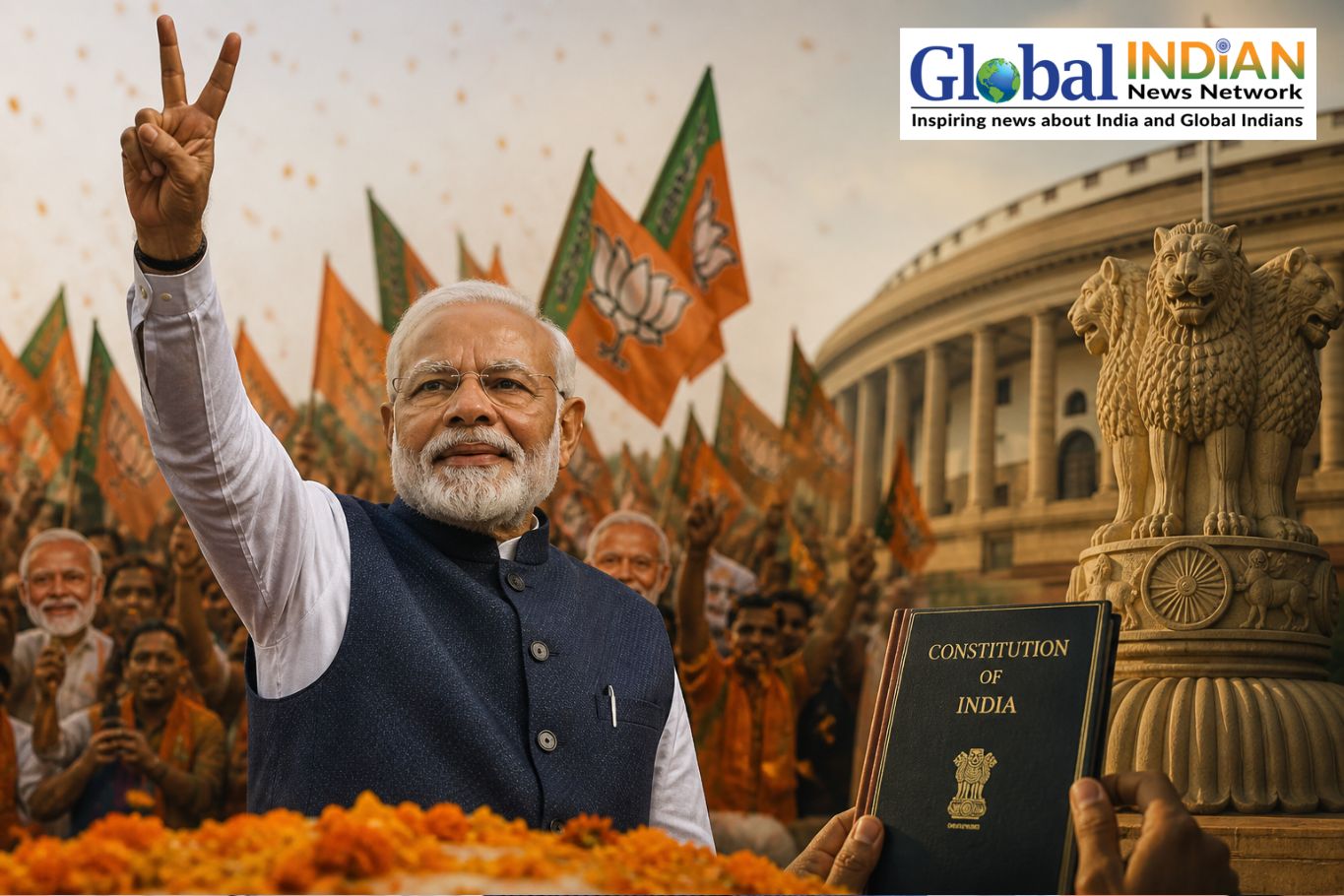
 India’s 2026 state assembly elections have reinforced the strong political position of Prime Minister Narendra Modi and the Bharatiya Janata Party (BJP), marking one of the most significant electoral performances in recent years. The results across multiple states, including West Bengal, Assam, Tamil Nadu, and Kerala, reflect a broad public endorsement of the BJP’s governance and development-focused agenda.
The BJP’s landmark victory in West Bengal stands out as a historic achievement. For the first time, the party secured a clear majority in the state, ending years of political competition and establishing a new phase in regional governance. The result is being seen as a strong expression of voter confidence in the party’s vision of economic growth, infrastructure development, and administrative reform.
Across the country, the BJP and its allies have expanded their influence significantly, now playing a leading role in a majority of states. This growth demonstrates the party’s ability to connect with diverse voter groups and address regional aspirations while maintaining a consistent national development agenda.
In Assam, the BJP-led alliance retained power with a strong mandate, reflecting continued public support for stability and progress in the northeastern region. The state’s results further reinforce the party’s strong organizational presence and governance record.
Tamil Nadu also witnessed a dynamic political shift, with new leadership emerging and reshaping the state’s political landscape. Voter enthusiasm reflected a growing demand for fresh ideas, development-oriented policies, and stronger administrative performance.
In Kerala, electoral outcomes highlighted the importance of evolving voter expectations, with citizens actively participating in shaping a competitive democratic environment. The results demonstrate the vibrancy of India’s electoral system and the strength of democratic engagement across regions.
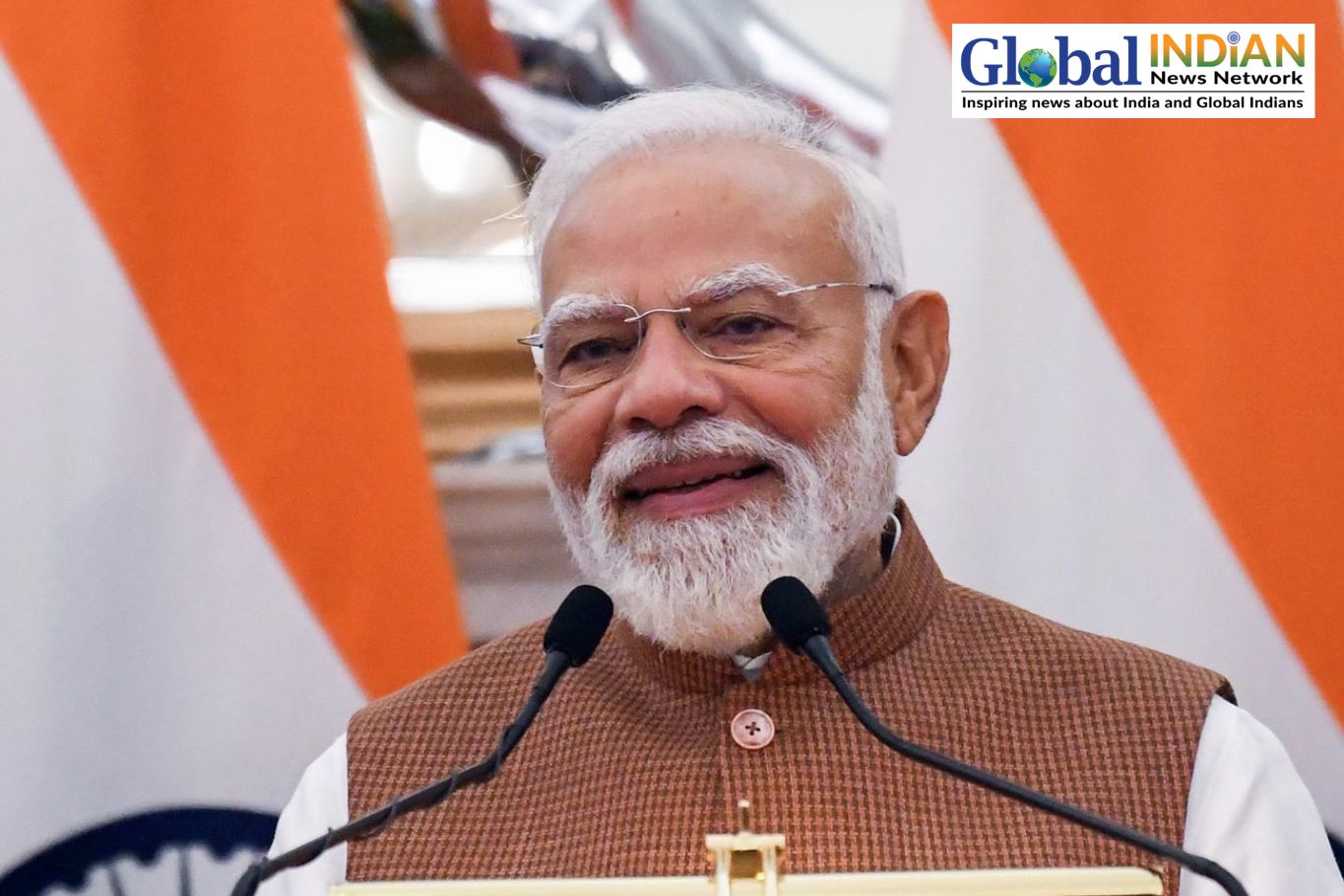
Prime Minister Modi described the overall mandate as a victory for development, good governance, and inclusive growth. He emphasized that the results reflect the trust of millions of citizens who seek continued progress, infrastructure expansion, and improved public services.
The election outcomes also highlight the BJP’s ability to build strong voter connections across states, driven by welfare programs, economic initiatives, and grassroots outreach. Analysts note that the results reflect a broader national trend in favor of stability, long-term planning, and development-oriented leadership.
Overall, the 2026 elections underline a significant phase in India’s political journey, where voters have strongly supported a governance model focused on growth, modernization, and national progress under Narendra Modi’s leadership.