The American spice industry is pushing for continued and permanent tariff exemptions on Indian spices as Washington and New Delhi work toward a broader trade agreement. Industry representatives argue that many spices imported from India cannot be commercially produced in the United States, making tariffs more likely to increase costs than protect domestic agriculture.
Donald Pratt, president of the American Spice Trade Association (ASTA), said the industry’s main objective is to preserve exemptions for agricultural products that are not commercially available from US producers. Speaking at an event at India House in Washington, Pratt said these products are widely used by American consumers and businesses and remain essential to the country’s food industry.
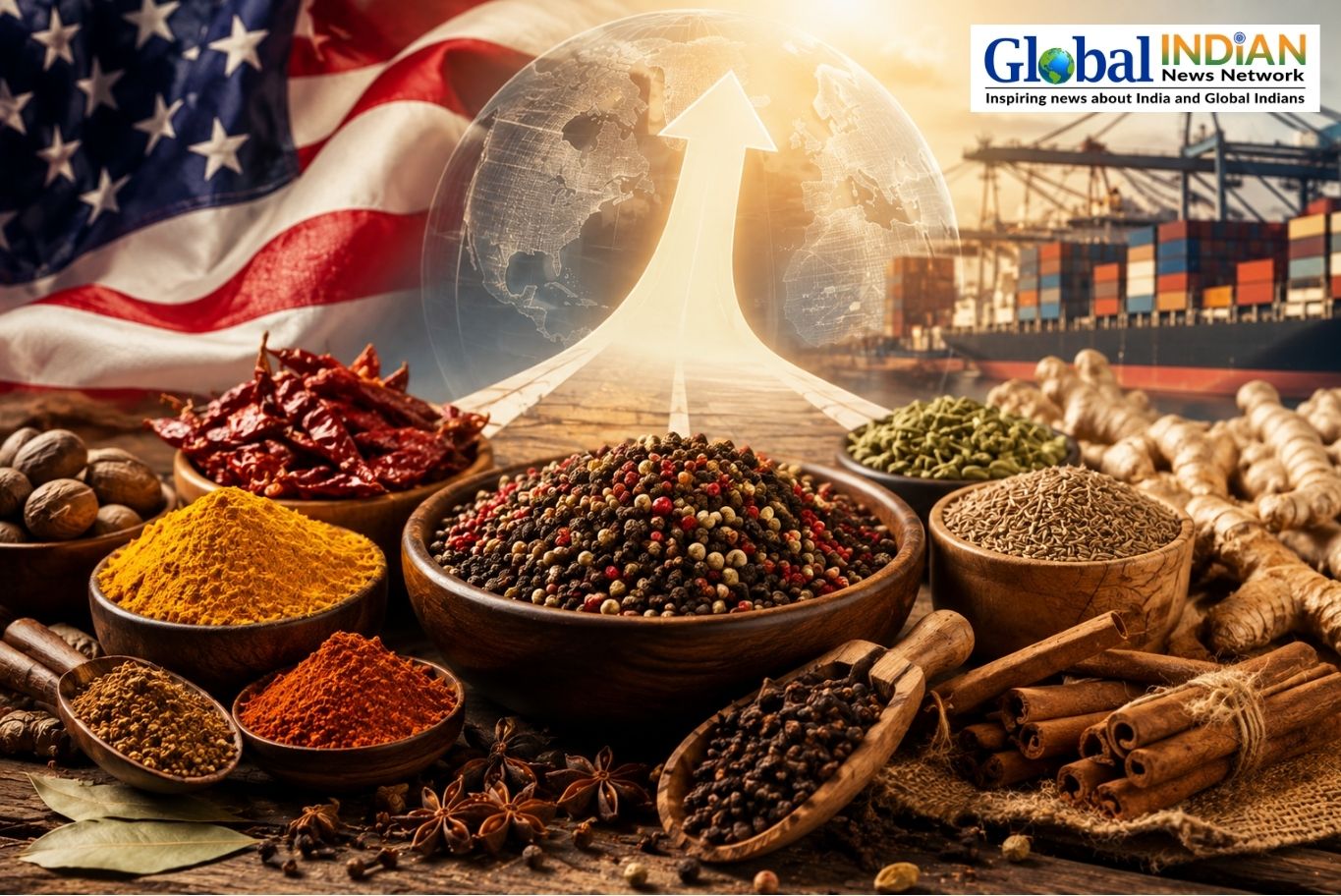
According to figures cited by Pratt, the United States imported approximately $700 million worth of Indian spices last year, making America the largest market for India’s spice exports. India produces more than half of the 109 spices recognized by the International Organization for Standardization, reinforcing its importance to global spice supply chains.
Pratt said the United States produces only a limited share of the spices consumed domestically. Products such as cumin, fennel and chilies depend on specific climates and growing conditions that cannot easily be replicated through large-scale cultivation in the United States.
ASTA has spent the past 18 months working with the Indian Embassy and other stakeholders to address tariff concerns. The association also led industry efforts to secure exemptions when new tariff measures were being considered.
Pratt said most spices were included on exemption lists under Section 122 and Section 301 tariffs because they are considered unavailable natural resources. With India and the United States moving toward the next stage of their trade negotiations, the industry is seeking to have such protections permanently incorporated into the final arrangement.
Roberto Fanni, chair of ASTA’s science and regulatory committee, said the exemptions reflect the limited scale of domestic US spice production. He noted that imposing tariffs on products without a significant domestic alternative would not provide meaningful protection to American producers.
Fanni also pointed to improving cooperation between Indian suppliers and US businesses. Indian producers are increasingly adapting their practices to meet American food-safety and compliance standards, potentially creating opportunities for expanded trade.
Laura Schumer, ASTA’s executive director, described India as the association’s most important international trade partner. She said the organization represents roughly 100 companies involved in importing, processing, manufacturing and selling spices across the United States.
The industry’s position comes as tariffs and market access remain important elements of the broader India-US commercial relationship. ASTA maintains that keeping essential spices outside tariff barriers can help American businesses maintain reliable supplies and prevent unnecessary cost increases for consumers, while avoiding disruption to a domestic agricultural sector that cannot commercially produce many of these products.