 The United States Embassy in India has acknowledged and praised the cooperation of Indian law enforcement agencies for their role in dismantling a suspected international drug trafficking network. According to the US statement, this network was allegedly involved in the movement of chemical substances used in the production of illegal narcotics destined for American markets.
The US highlighted that coordination with Indian authorities played a crucial role in breaking key components of the supply chain linked to cartel operations. These groups are believed to rely on precursor chemicals sourced through various channels to manufacture synthetic drugs, including fentanyl, which has been a major focus of global drug enforcement efforts.
In an official communication shared on social media, the US Embassy emphasized its appreciation for India’s support in targeting individuals and entities accused of facilitating the shipment of these chemicals to countries such as Mexico and Guatemala. These substances were reportedly misrepresented as harmless or “safe chemicals” during transport, allowing them to bypass scrutiny.
The US Department of the Treasury’s Office of Foreign Assets Control (OFAC) announced sanctions on an India-based supplier accused of trading in fentanyl precursor chemicals. The designated individual, along with an alleged associate, was said to have used pharmaceutical chemical companies in India to conduct transactions linked to the illicit trade network.
According to the statement, both individuals were arrested by Indian authorities earlier in 2025 as part of an ongoing investigation. Several India-based chemical firms associated with the transactions were also identified in the enforcement action.
OFAC stated that the designated parties were involved in activities that significantly contributed to the international spread of illegal drugs or their production methods. As a result, their assets under US jurisdiction are subject to blocking measures, and financial transactions involving them are prohibited for US persons unless specifically authorized.
The sanctions also extend to any entities partially or fully owned by the blocked individuals, reinforcing strict compliance measures under US regulations aimed at curbing global drug trafficking networks.
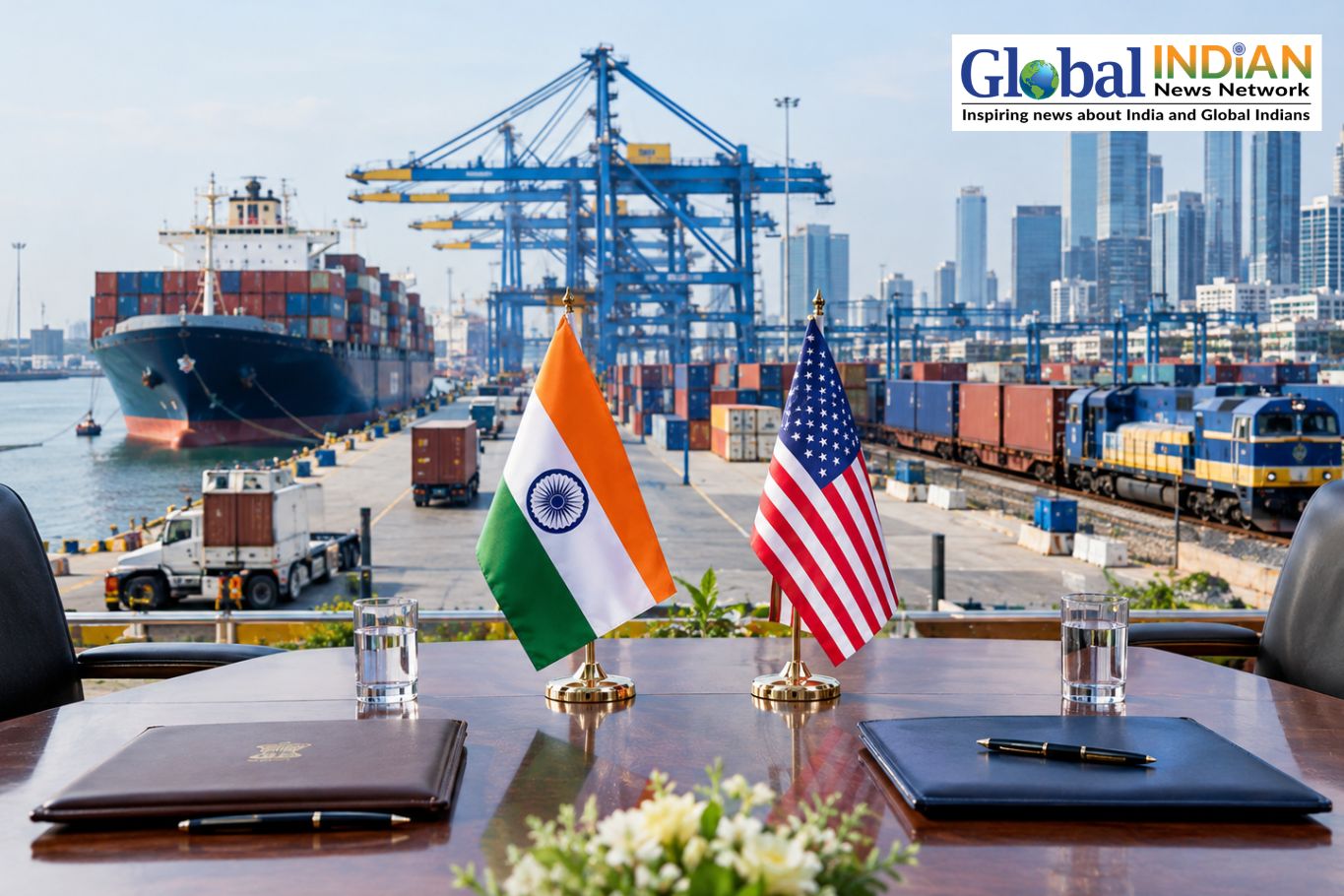
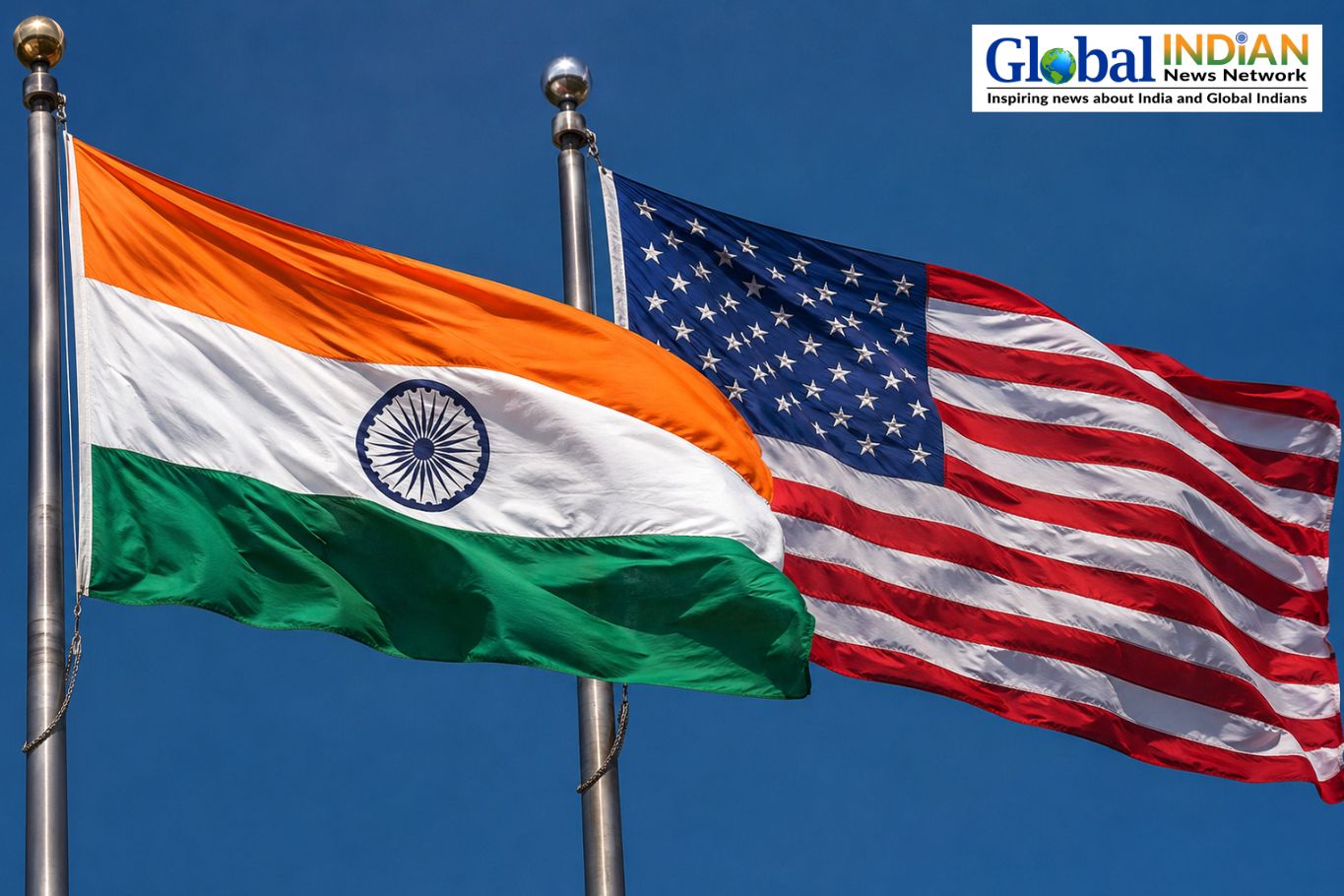
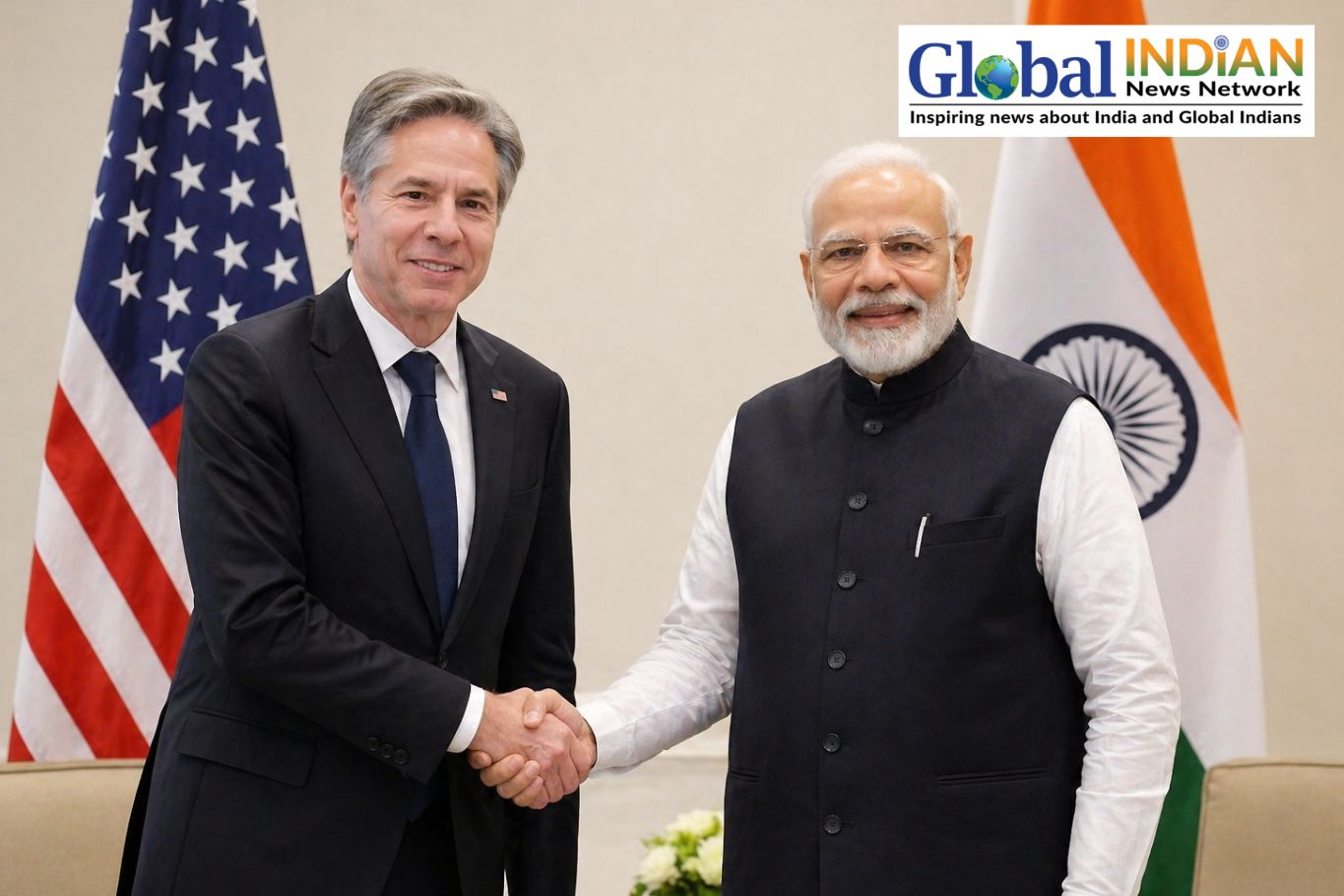
Overall, the development reflects strengthened cooperation between India and the United States in tackling transnational drug crime, particularly networks involved in synthetic drug production and chemical supply chains that pose a growing international security challenge.