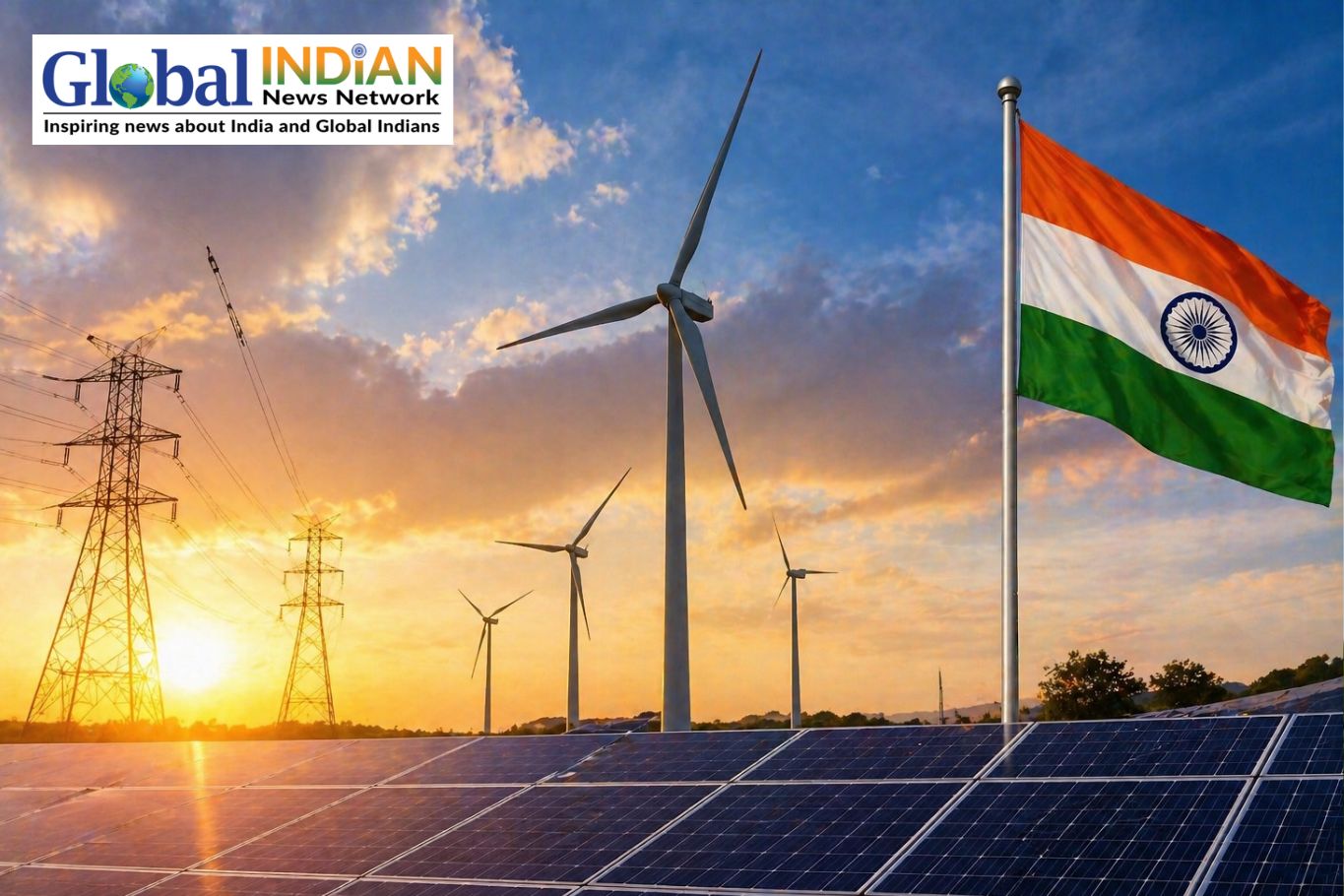
 India’s power sector has reached a significant milestone, with nearly one-third of its record peak electricity demand of 256 gigawatts being successfully met through renewable energy sources. Union Minister for New and Renewable Energy Pralhad Joshi highlighted this achievement, noting it as a strong indicator of the country’s rapid transition toward clean and sustainable power generation.
This development reflects the expanding role of renewable energy in India’s overall electricity mix. Solar, wind, and hydro power have contributed significantly to meeting rising energy requirements, especially during peak demand periods. The increasing integration of these sources into the national grid demonstrates steady progress in building a more balanced and environmentally friendly energy system.
The achievement also underscores the effectiveness of government policies aimed at scaling up renewable capacity across the country. Large solar parks, wind energy projects, and hybrid renewable systems have played a central role in boosting generation capacity. Alongside this, improvements in transmission infrastructure and the development of green energy corridors have supported smoother distribution of renewable electricity across regions.
India’s ability to meet a substantial portion of peak demand through clean energy also points to advancements in grid management and energy forecasting. Enhanced storage solutions and smarter operational planning have helped ensure stability even during high consumption periods, reducing reliance on conventional fossil fuel-based power.
The country’s growing renewable share is closely linked to its broader economic expansion and increasing urban energy needs. As industrial activity and population growth drive higher electricity consumption, India continues to diversify its energy sources to ensure long-term supply security.
Looking ahead, India is expected to further strengthen its renewable energy capacity through ambitious national targets. Emerging technologies such as energy storage systems, green hydrogen production, and smart grid networks are likely to play a key role in improving efficiency and reliability.
This milestone not only reinforces India’s progress in achieving energy security but also positions the country as a major global player in the clean energy transition. It supports India’s long-term climate commitments while promoting sustainable development and reducing dependence on traditional fossil fuels.