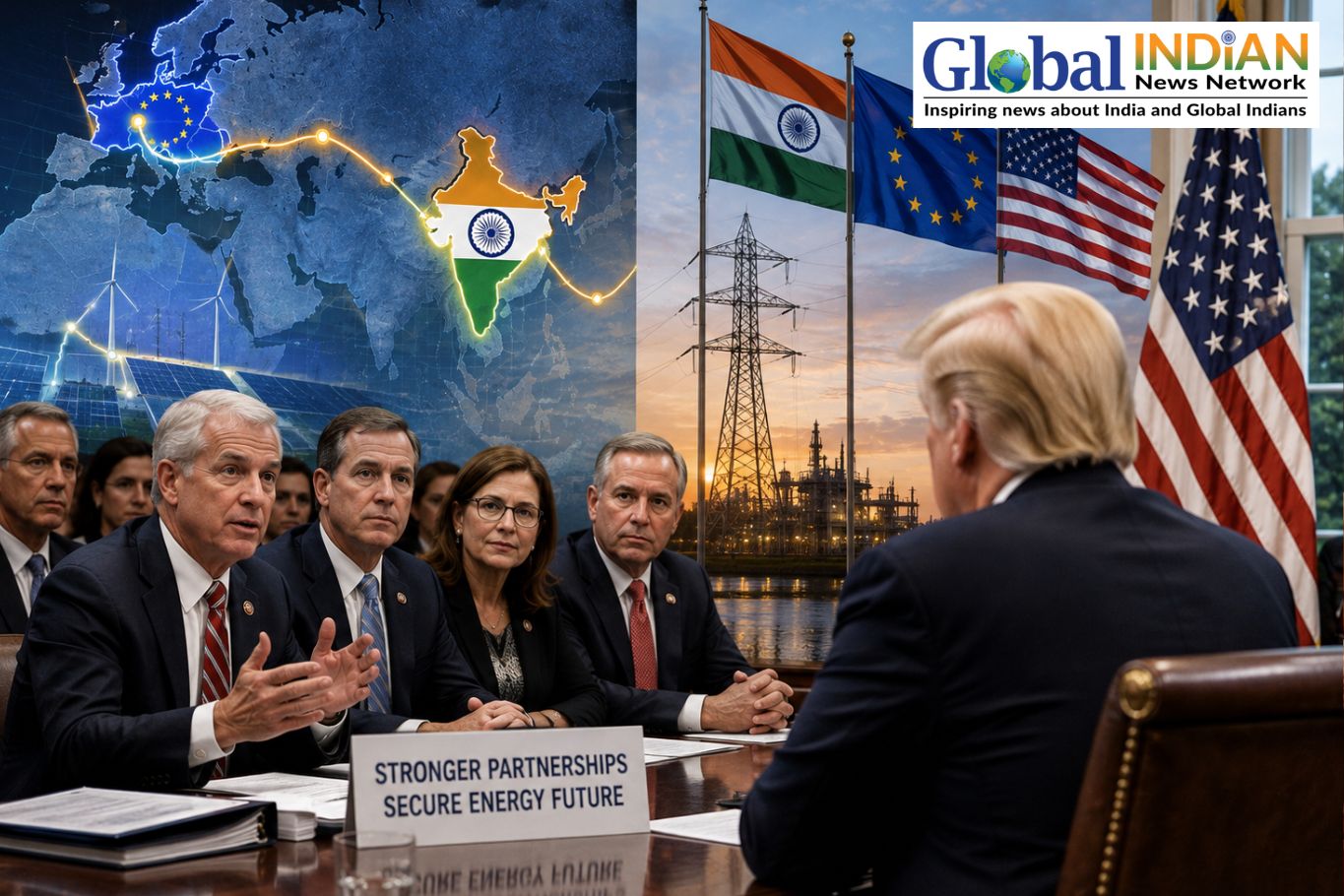
 A bipartisan group of US lawmakers is calling on the Trump administration to give greater priority to the Great Sea Interconnector, an ambitious undersea electricity project linking the power networks of Greece, Cyprus and Israel. The lawmakers believe the initiative could also contribute to the broader India-Middle East-Europe Economic Corridor, or IMEC.
US Representatives Brad Schneider and Gus Bilirakis led the effort, sending a letter to Secretary of State Marco Rubio and US International Development Finance Corporation CEO Ben Black. They also requested a classified briefing to discuss challenges that could affect the project.
The proposed electricity connection is designed to integrate Cyprus more closely with Europe’s power network while improving Israel’s electricity security and enabling energy transfers across Europe and the Eastern Mediterranean.
The lawmakers described the region as an increasingly important center for energy, infrastructure and connectivity, with potential to serve as a gateway linking Europe, the Middle East and India. They argued that supporting the project would help diversify energy routes, strengthen regional partnerships and encourage greater economic integration.
Their letter also emphasized the strategic importance of developing infrastructure alternatives to projects controlled or heavily influenced by US competitors. According to the lawmakers, the Great Sea Interconnector could advance these objectives while reinforcing the Eastern Mediterranean’s role in US foreign policy.
Representatives Jake Auchincloss, Dan Goldman, Craig Goldman and Haley Stevens also signed the bipartisan appeal.
Schneider and Bilirakis had previously introduced the Eastern Mediterranean Gateway Act in 2025. The proposed legislation seeks to strengthen the region’s strategic importance to the United States and promote its role as a connection point between India, the Middle East and Europe.
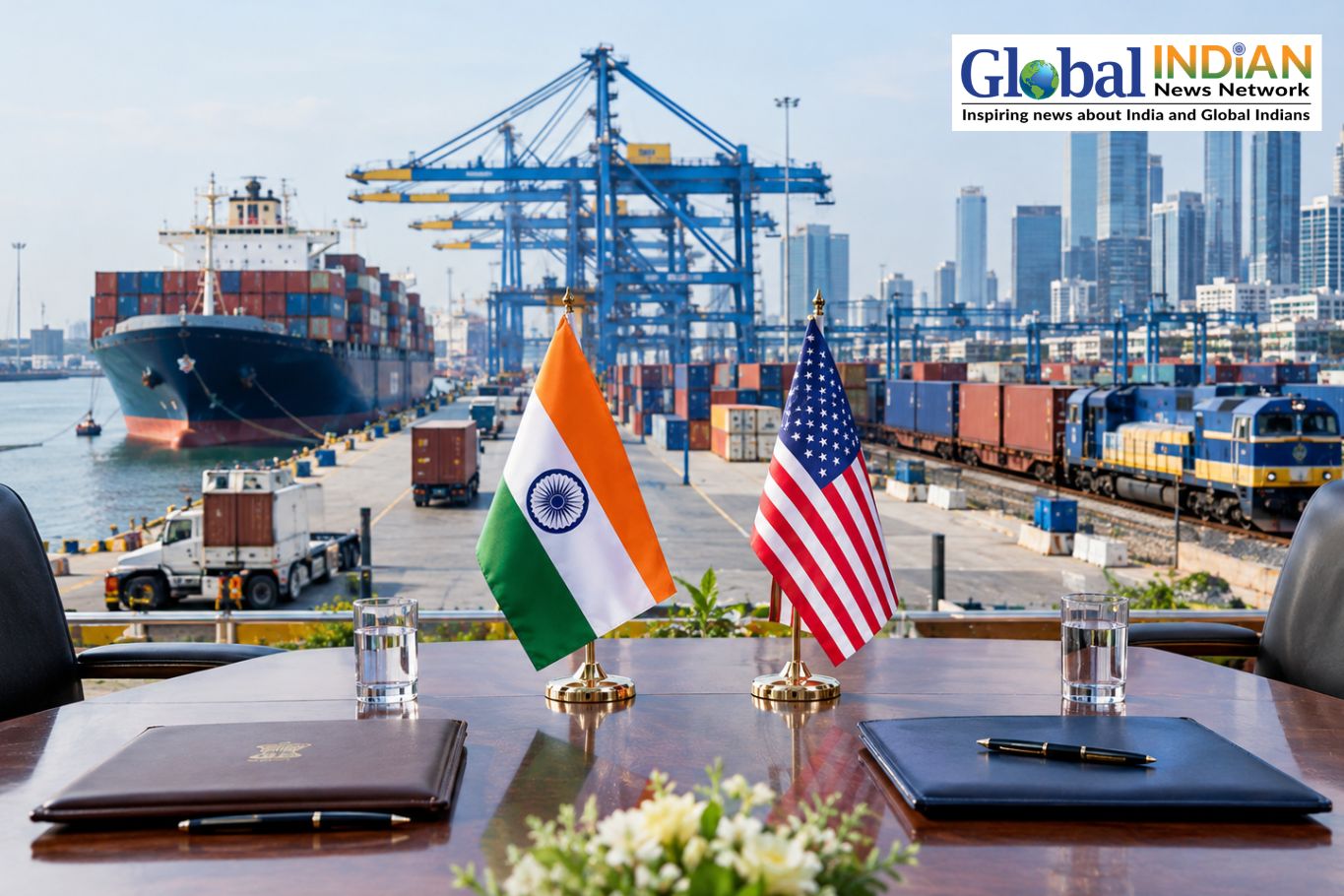
IMEC was launched at the G20 Summit in New Delhi in September 2023, when India, the United States, Saudi Arabia, the United Arab Emirates, France, Germany, Italy and the European Union signed a memorandum outlining plans for a major economic corridor.
The proposed network would combine rail, shipping, energy and digital infrastructure, creating an eastern connection between India and the Gulf and a northern route between the Gulf and Europe.
Supporters say IMEC could improve trade connectivity, create more efficient transportation routes and encourage economic cooperation across the three regions. The latest US congressional initiative adds another layer of political support for infrastructure that could complement the corridor’s wider goals.