Popular breakfast cereals may not be as nutritious as their packaging suggests, according to a nutrition analysis examining their sugar content, overall nutritional value and health claims. The findings raise questions about whether some of America’s most popular breakfast options provide sufficient nutrients to support a balanced diet.
Ready-to-eat cereals remain a common breakfast choice in the United States. More than a quarter of children and adolescents eat them for breakfast on most days of the week, while approximately half of adults consume cereal at least once or twice weekly. However, their convenience and popularity do not necessarily make them healthy options.
Many well-known brands contain substantial amounts of added sugar, relatively little protein before milk is added, and limited dietary fiber. Some also include additives and excess sodium. Although packaging frequently promotes claims such as “heart healthy” or “high in vitamins,” these statements may not accurately reflect a cereal’s overall nutritional quality.
Portion sizes are another concern. The calorie count displayed on a cereal box typically refers to a recommended serving, but many people pour considerably larger portions into their bowls. As a result, the calories consumed can easily exceed the amount listed on the packaging.
A study published in May 2025 examined 1,200 ready-to-eat cereals marketed to children that were introduced or reformulated between 2010 and 2023. Researchers identified a concerning trend: sugar, fat and sodium levels increased, while protein and fiber content declined.
Efforts are underway to improve school breakfast nutrition. Updated US Department of Agriculture standards aim to gradually reduce added sugars and sodium while increasing whole grains in school meals.
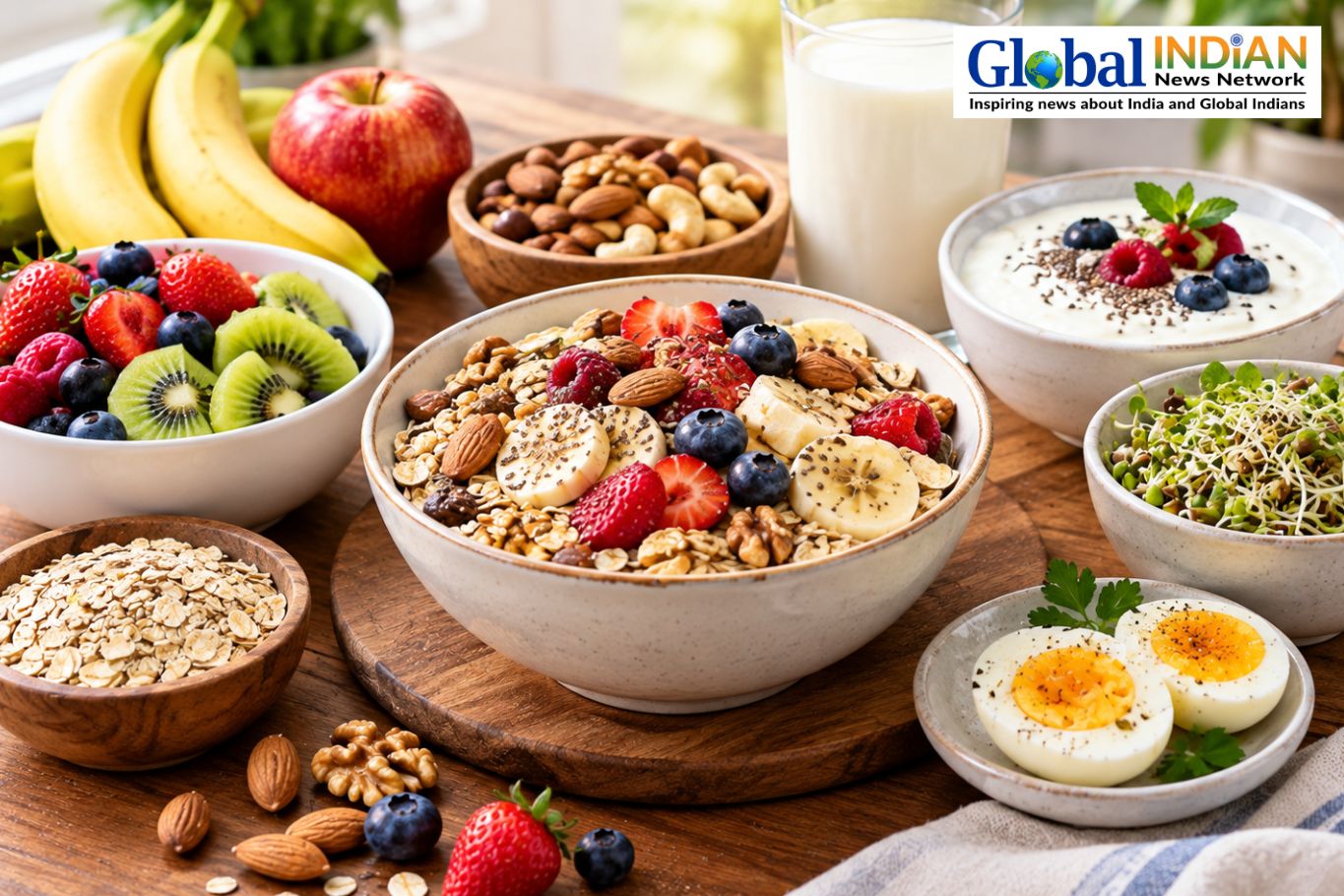
For a more nutritious start to the day, alternatives include oatmeal topped with fruit and nuts, eggs, yogurt with fruit, or peanut butter on whole-grain toast. Those who prefer packaged cereals can make healthier choices by checking nutrition labels.
Consumers should look for whole grains as the first ingredient, at least 2.5 grams of fiber per serving—with 5 grams or more being preferable—and minimal added sugar and sodium. Choosing cereals with 150 calories or fewer per serving and shorter ingredient lists can also help. Shredded Wheat, Kashi Go Lean, Cheerios and All-Bran are examples that meet many of these criteria.
Breakfast cereal does not need to be eliminated entirely. Selecting products carefully, measuring portions and pairing cereal with milk or a protein-fortified alternative can help improve its nutritional value. A balanced breakfast should offer more than sweetness and convenience.