Magnesium plays an essential role in maintaining overall health, supporting functions ranging from muscle and nerve activity to heart health and bone strength. However, despite growing interest in magnesium supplements, most people can obtain sufficient amounts of the mineral through a balanced diet, according to a nutrition analysis published on June 3, 2025.
The body relies on magnesium for more than 300 chemical reactions. The mineral helps regulate blood sugar and calcium levels and supports protein production. Recommended daily intake is approximately 320 milligrams for adult women and 420 milligrams for adult men.
Additional magnesium may be necessary for people with a diagnosed deficiency or certain medical conditions. Research has also explored its potential role in managing high blood pressure, cardiovascular disease, migraines, insomnia, anxiety, diabetes, exercise-related muscle soreness and constipation. However, evidence supporting several of these benefits remains limited, with some studies reporting inconsistent results.
Magnesium levels can be assessed through a blood test. The typical reference range is 1.7 to 2.2 milligrams per deciliter. Low magnesium levels may cause nausea, fatigue and reduced appetite. Severe deficiency can lead to muscle cramps, numbness in the limbs and abnormal heart rhythms.
Potential causes include inadequate dietary intake, digestive disorders that interfere with absorption, kidney conditions, certain medications and excessive alcohol consumption. Older adults may also face a greater risk of deficiency because of dietary limitations, reduced absorption and medication use.
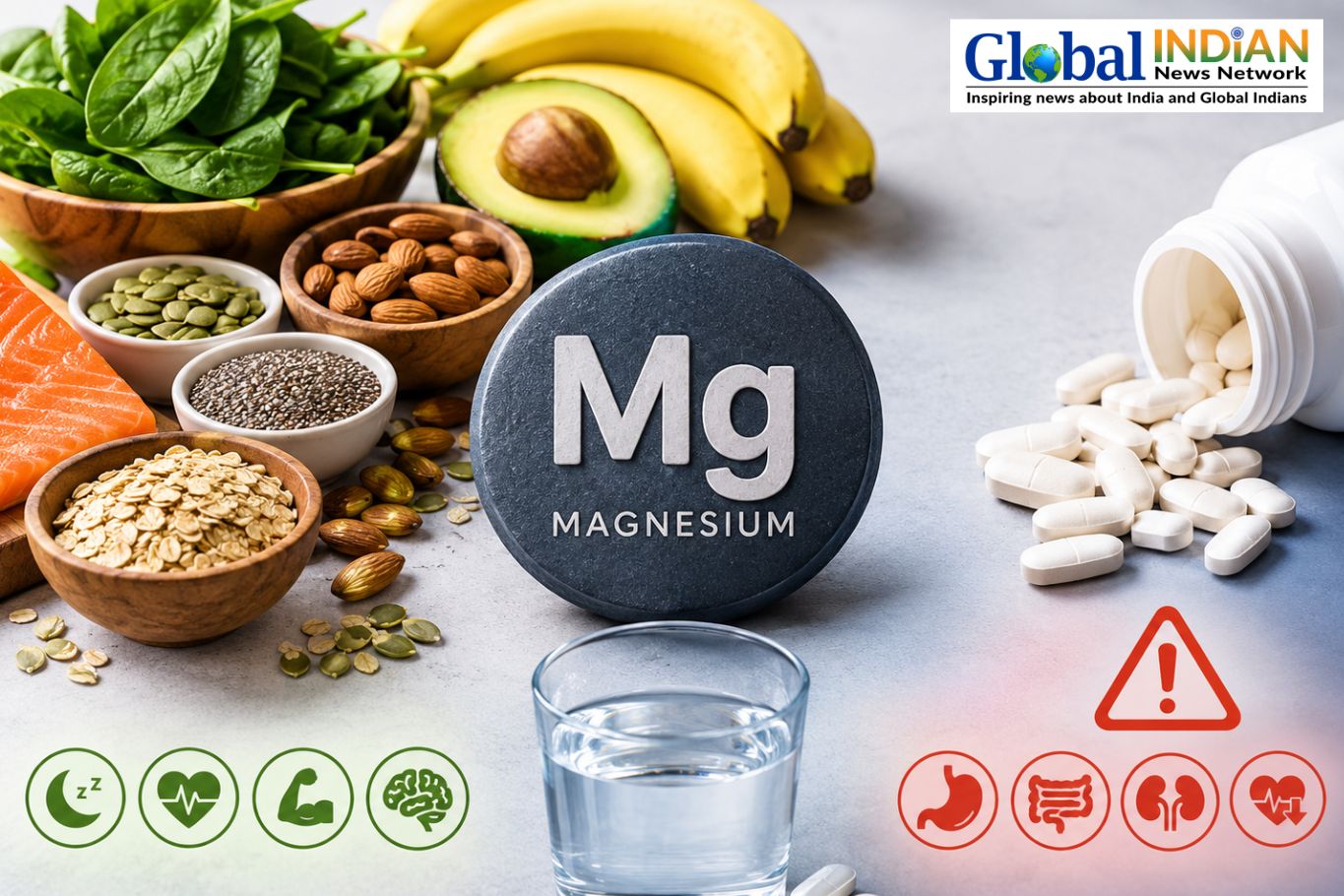
Fortunately, magnesium is found in a variety of everyday foods. Spinach and other leafy green vegetables, beans, nuts, whole grains, pumpkin seeds, soy milk, bananas and dark chocolate are useful sources. One serving of spinach, an ounce of almonds and a banana together provide approximately 190 milligrams of magnesium.
Experts generally recommend prioritizing food sources over supplements. Magnesium supplements are available in forms such as citrate, glycinate and oxide, which are commonly used for different purposes. However, supplements can cause side effects, including nausea and diarrhea, and may interact with medications.
Daily supplemental doses below 350 milligrams are generally considered safe for adults, but people with kidney disease may face an increased risk of magnesium accumulation. The appropriate dose depends on individual health needs and should be discussed with a healthcare professional.
The key takeaway is that most people do not need routine magnesium supplementation. A varied, balanced diet can usually provide enough of this essential mineral, while people concerned about a deficiency should seek medical advice before starting supplements.