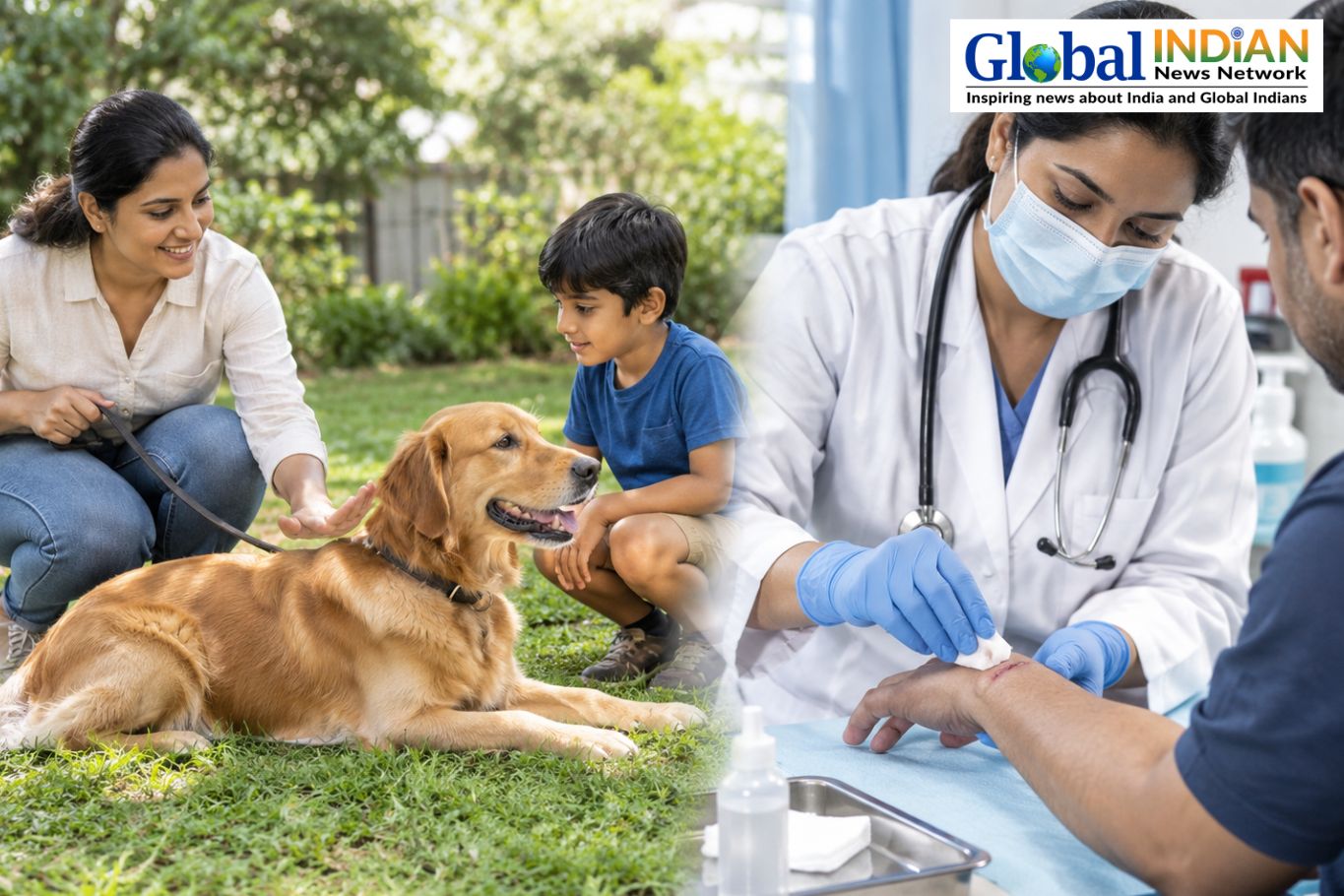
Dog bites are a common public health concern in the United States, with more than 4.5 million incidents reported annually. Contrary to popular belief, many bites involve dogs known to the victims, including family pets. Understanding canine behavior, practicing safe interactions, and responding promptly to injuries can help reduce the risk of complications.
Why Do Dogs Bite?
Dogs may bite when they feel frightened, threatened, stressed, or startled. Some incidents also occur during rough play or activities such as tug-of-war. Warning signs can include barking, growling, snapping, and lunging, particularly when a dog is protecting its territory, food, toys, or resting place.
Children account for more than half of dog bite incidents and are at greater risk of serious injuries than adults. They may not recognize signs that a dog is uncomfortable or understand when to give the animal space. Adults can also be injured, particularly on the hands and face.
How to Prevent Dog Bites
Adult supervision is essential whenever young children interact with dogs. Children should be taught not to disturb dogs while they are eating, sleeping, caring for puppies, or playing with their possessions.
Before petting an unfamiliar dog, ask its owner for permission. Allow the animal to approach and sniff you before reaching out. Avoid approaching dogs that appear frightened, unwell, angry, or withdrawn.
If an unfamiliar dog approaches, remain calm and avoid sudden movements or direct eye contact. Stand sideways, speak firmly, and slowly move away when it is safe to do so. Do not attempt to chase, corner, or provoke the animal.
What to Do After a Dog Bite
Immediately wash the wound thoroughly with mild soap and running water, then cover it with a clean dressing. Seek medical advice promptly, even if the injury initially appears minor.
Serious wounds, heavy bleeding, facial bites, or injuries involving possible bone damage require urgent medical evaluation. Bites from stray or unknown dogs also need prompt assessment because of the risk of rabies. A healthcare professional can determine whether rabies post-exposure treatment is necessary.
If possible, obtain the dog’s owner’s contact details and vaccination records. Medical professionals may also recommend a tetanus booster, depending on the person’s vaccination history and the nature of the wound. Antibiotics may be prescribed when the risk of infection is significant, particularly for people with diabetes or weakened immune systems.
When Is Home Care Enough?
A minor bite from a known, vaccinated dog may require only thorough cleaning and monitoring, depending on the wound and individual risk factors. However, puncture wounds can be deeper than they appear, so medical guidance is advisable.
Watch for increasing redness, swelling, warmth, pain, or pus, which may indicate infection. Do not delay medical care if symptoms develop.
Prompt wound cleaning, appropriate medical assessment, and safe behavior around dogs can help prevent complications. When rabies exposure is possible, seek medical care immediately rather than waiting for symptoms to appear.