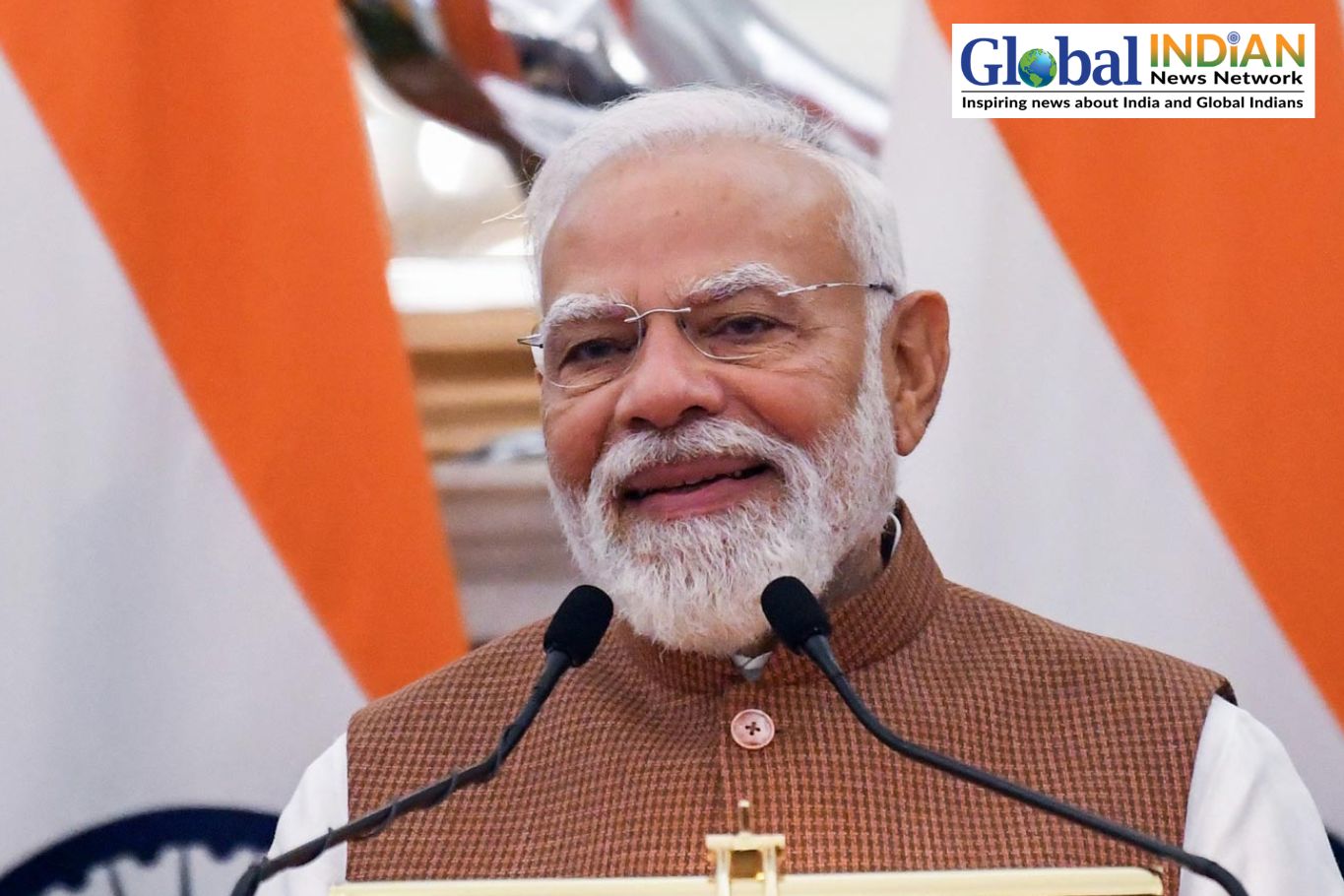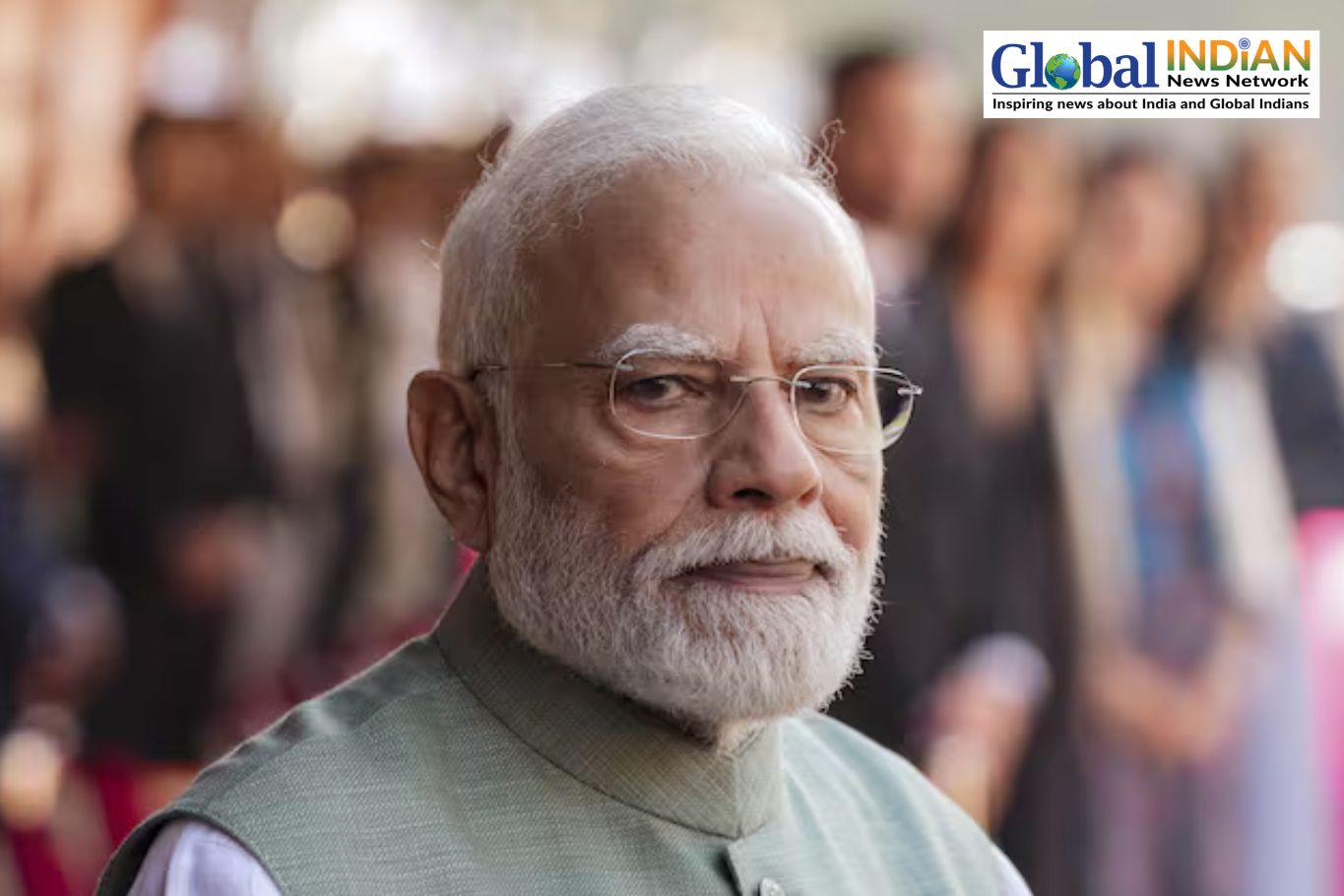
Prime Minister Narendra Modi has said India is moving beyond adopting technologies developed overseas to creating innovations for domestic and global markets. Addressing the second edition of the Emerging Science, Technology and Innovation Conclave (ESTIC 2026) in New Delhi, he urged scientists, researchers, entrepreneurs and startup founders to innovate boldly and take a leading role in developing future technologies.
Inaugurating the three-day conclave at Bharat Mandapam, Modi said India’s approach to science and technology was changing, driven by growing confidence among researchers and young entrepreneurs. He noted that the decades following Independence were largely characterized by adopting technologies developed abroad and adapting them to local requirements.
According to the Prime Minister, India now aims to develop technologies that address domestic needs while offering solutions to challenges faced by countries worldwide. He also highlighted the ambition of young Indian entrepreneurs, saying their confidence and willingness to pursue innovation at scale were encouraging.
The conclave, themed “Creative Minds, Catalyzing Science, Empowering Technologies,” brings together stakeholders from the scientific, industrial and research communities to discuss technological advancement and innovation.
Highlighting government support for research and development, Modi referred to the ₹1 lakh crore Research, Development and Innovation (RDI) fund announced at the previous edition of the conclave. He said approximately ₹12,000 crore had been committed to technology initiatives, with the private sector contributing a matching amount, taking the combined investment to around ₹24,000 crore.
The funding initiative is intended to strengthen India’s research ecosystem, encourage private investment and support the development and commercialization of advanced technologies. Greater collaboration between government institutions, universities, startups and industry is expected to play an important role in translating scientific research into practical applications.
Modi also emphasized the importance of nuclear energy in meeting India’s future power requirements. Referring to the birth anniversary of physicist Homi J. Bhabha, observed on October 30, he said substantial nuclear energy capacity would be necessary as the country pursues its development ambitions.
He identified dependence on imported nuclear fuel as a challenge for energy security, underlining the importance of strengthening domestic capabilities and developing reliable energy sources to support long-term economic growth.
The Prime Minister identified semiconductors, quantum technologies, biotechnology, advanced materials, robotics, space technology, clean energy and next-generation communications as key areas likely to influence the global technological landscape.
He said India was building its scientific and technological foundations through national missions aimed at advancing capabilities in these sectors. These areas are increasingly important for industrial development, digital infrastructure, strategic autonomy and the creation of new products and services.
Modi also highlighted India’s experience in deploying digital public infrastructure and expanding 5G connectivity as examples of its capacity to deliver technology-driven solutions at scale.
He emphasized that the value of technological progress should be measured by its ability to solve significant problems and improve people’s lives. He described science and technology as instruments for serving humanity, rather than merely tools of strategic or military power.
Alongside the push for technological advancement, Modi stressed the need to prioritize safety and security in artificial intelligence, synthetic biology and autonomous systems.
As these technologies become more sophisticated and widely deployed, safeguards and responsible development practices will be important to managing potential risks. The emphasis on safety reflects the need to balance innovation with accountability and public welfare.
The Prime Minister said the requirements of individual sectors, from nuclear energy and space exploration to artificial intelligence and semiconductors, may differ, but all reflect India’s expanding technological ambitions.
His remarks at ESTIC 2026 placed scientific research, innovation financing, emerging technology missions and private sector participation at the center of India’s development agenda. The broader objective, as outlined by the Prime Minister, is to strengthen the country’s ability to develop homegrown technologies, compete internationally and contribute solutions to global challenges.