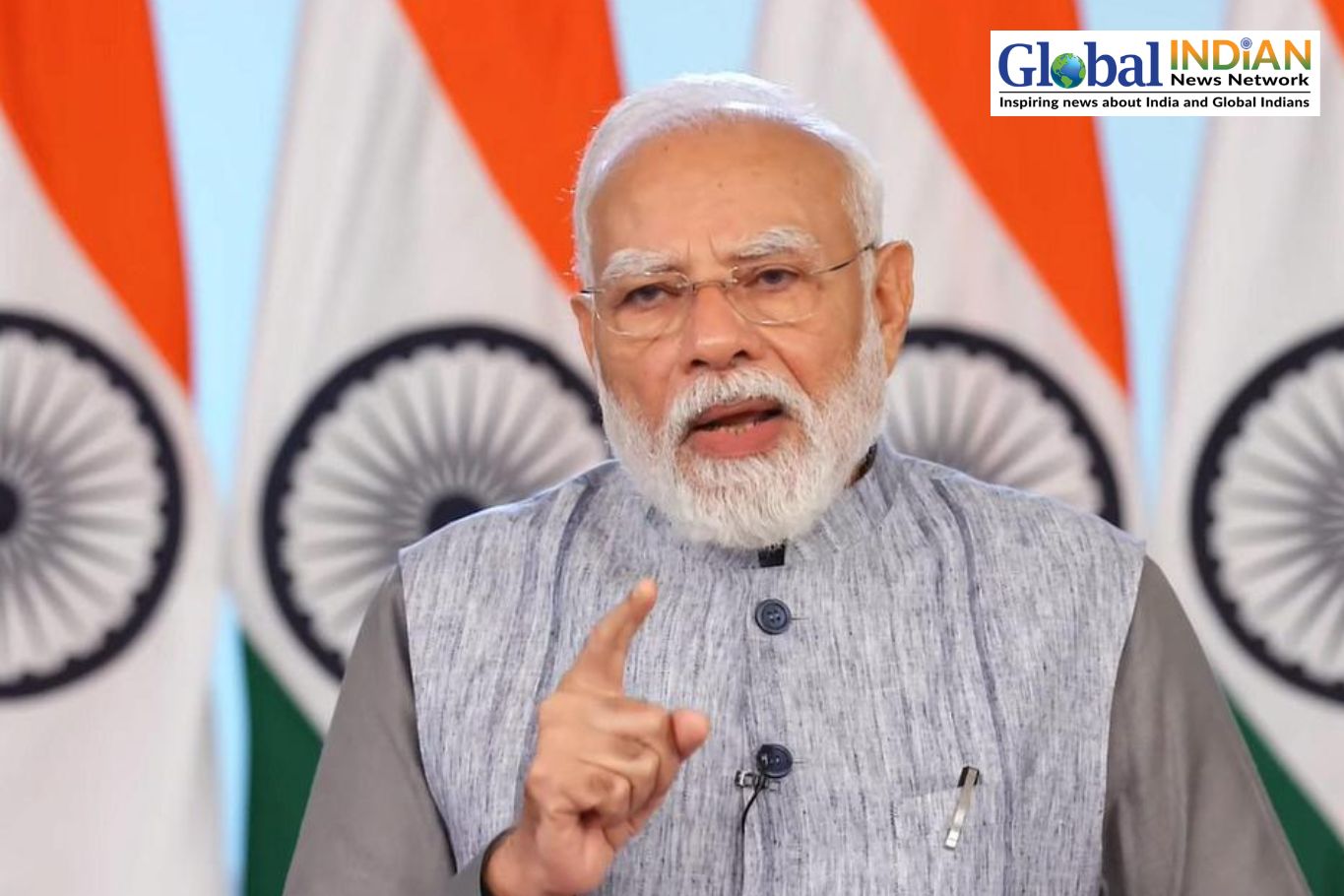
Prime Minister Narendra Modi inaugurated Pune Metro Line 3, also known as the Pink Line, connecting Maan-Hinjawadi and Shivajinagar, and laid the foundation stone for four new metro corridors under Phase II. The projects are expected to strengthen urban connectivity, reduce commuting time and support Pune’s economic growth.
The 23.2-km elevated corridor, developed at an estimated cost of ₹8,313 crore under a public-private partnership model, features 23 stations. It is expected to provide faster connectivity to Hinjawadi’s IT hub, where thousands of professionals travel daily. The journey between Hinjawadi and Shivajinagar is expected to take approximately 40–45 minutes.
Addressing the inauguration virtually, Modi said improved metro connectivity would enhance quality of life, increase productivity and strengthen Pune’s position as a major centre for IT, automobiles, pharmaceuticals, startups and manufacturing. He also highlighted India’s expanding metro network, which has grown from 248 km in 2014 to nearly 1,200 km.
Maharashtra Chief Minister Devendra Fadnavis said the new corridor would provide significant relief to IT professionals facing long daily commutes. He described metro infrastructure as an economic multiplier that would generate employment, attract investment and encourage business activity.
The Prime Minister also laid the foundation stone for four Phase-II corridors, covering approximately 44.4 km with an estimated investment of ₹13,500 crore. The proposed routes will connect Vanaz with Chandani Chowk, Ramwadi with Vitthalwadi, Kharadi with Khadakwasla, and Nal Stop with Manik Baug.
The Pink Line project also emphasizes women’s participation, with 90 women train operators and women accounting for around 50% of its workforce. Approximately 30% of its electricity requirements are expected to be met through solar power.
Fadnavis said the wider Pune metropolitan region was being developed as an integrated urban mobility hub through metro expansion, electric buses, ring roads and other infrastructure projects.
The expansion is expected to improve access between residential neighbourhoods, commercial centres and major employment hubs, supporting Pune’s long-term development as one of Maharashtra’s leading economic centres.