 India is preparing to fast-track its global trade integration strategy, with plans to operationalize nine free trade agreements (FTAs) signed over the past three years within the next 10 months. In addition, the government is aiming to conclude three to four more major trade pacts over the coming year, signaling a strong push toward deeper economic engagement with international partners.
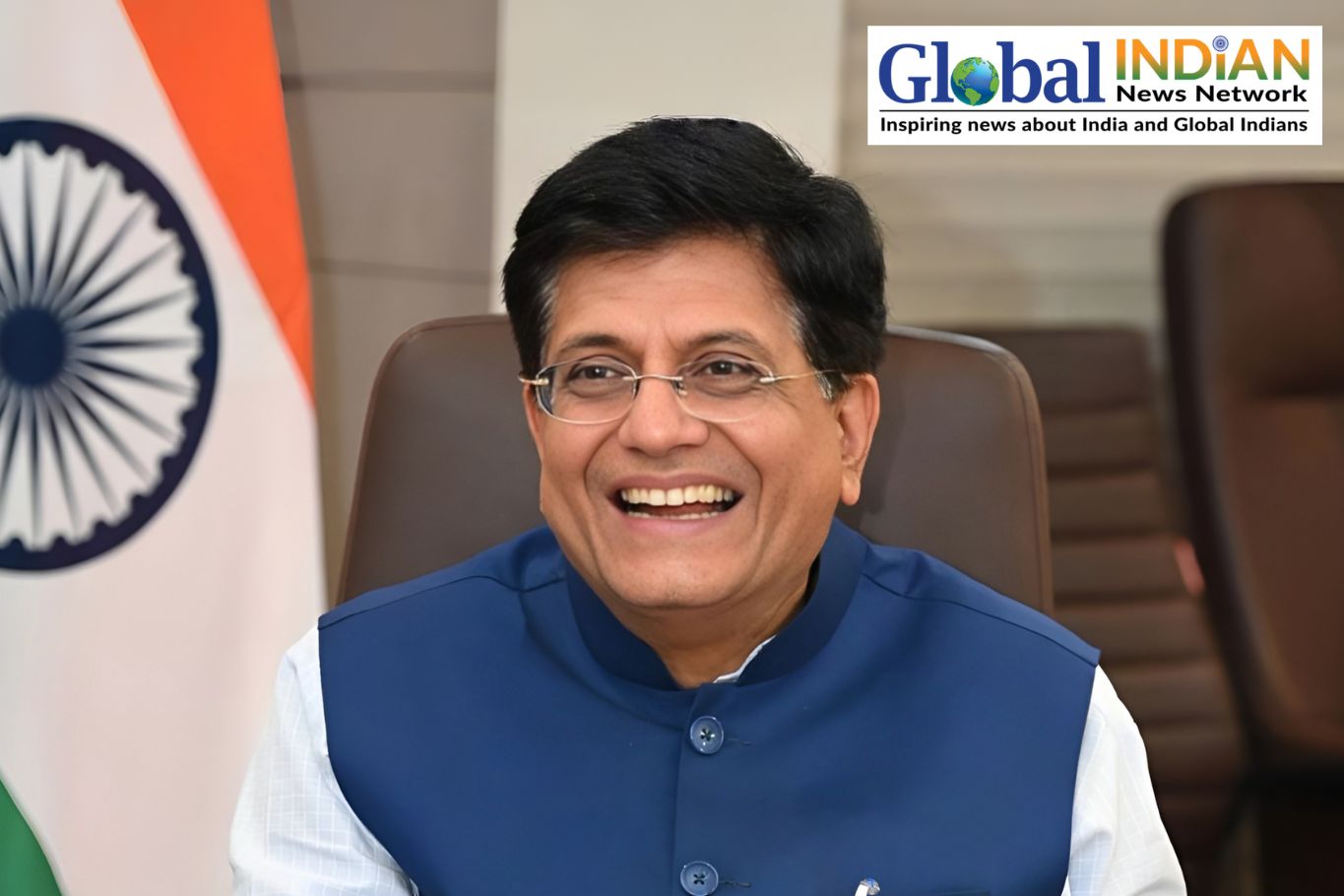
Commerce and Industry Minister Piyush Goyal stated that the country’s trade strategy is designed to strengthen India’s position as a global manufacturing and investment destination. He noted that at least two to three significant FTAs are expected to come into effect within the next six months, following the recent implementation of the agreement with Oman on June 1. According to him, the nine FTAs signed in recent years collectively cover 38 developed economies that complement India’s growth trajectory rather than compete with it.
Goyal emphasized that India is increasingly being viewed as a credible alternative for global manufacturing as multinational companies reassess their supply chain strategies. He said discussions with around 50 international firms reflect growing confidence in India’s stability, market potential, and long-term investment environment.
He further stated, “The world’s long-term capital is looking at India and the opportunities that India presents,” highlighting strong investor interest observed during his recent visits to Canada and the United States. He also expressed confidence that India will remain one of the fastest-growing major economies for the next two decades, supported by strong domestic demand and structural reforms.
The minister pointed to India’s demographic advantage, expanding consumer base, and growing technological capabilities as key drivers of foreign investment. He also outlined a major government initiative involving an outlay of $3.5 billion aimed at developing 100 industrial parks across the country. These parks are designed to offer ready-to-use infrastructure, including land availability, utilities, housing for workers, environmental clearances, and digital connectivity, making it easier for companies to set up operations.
Goyal described this approach as part of a shift in the government’s role from regulator to facilitator. He added that recent reforms, including the consolidation of 29 labour laws into four Labour Codes, have significantly improved the ease of doing business in India.
On the macroeconomic front, he highlighted India’s strengthened energy security, achieved through diversified supply chains and stable fuel availability despite global geopolitical disruptions. He also pointed to sustained infrastructure investment of nearly $130 billion directed toward highways, ports, airports, and rural connectivity projects as a key pillar supporting economic growth.
Together, these initiatives reflect India’s broader strategy to position itself as a central hub in global trade, manufacturing, and long-term investment flows.