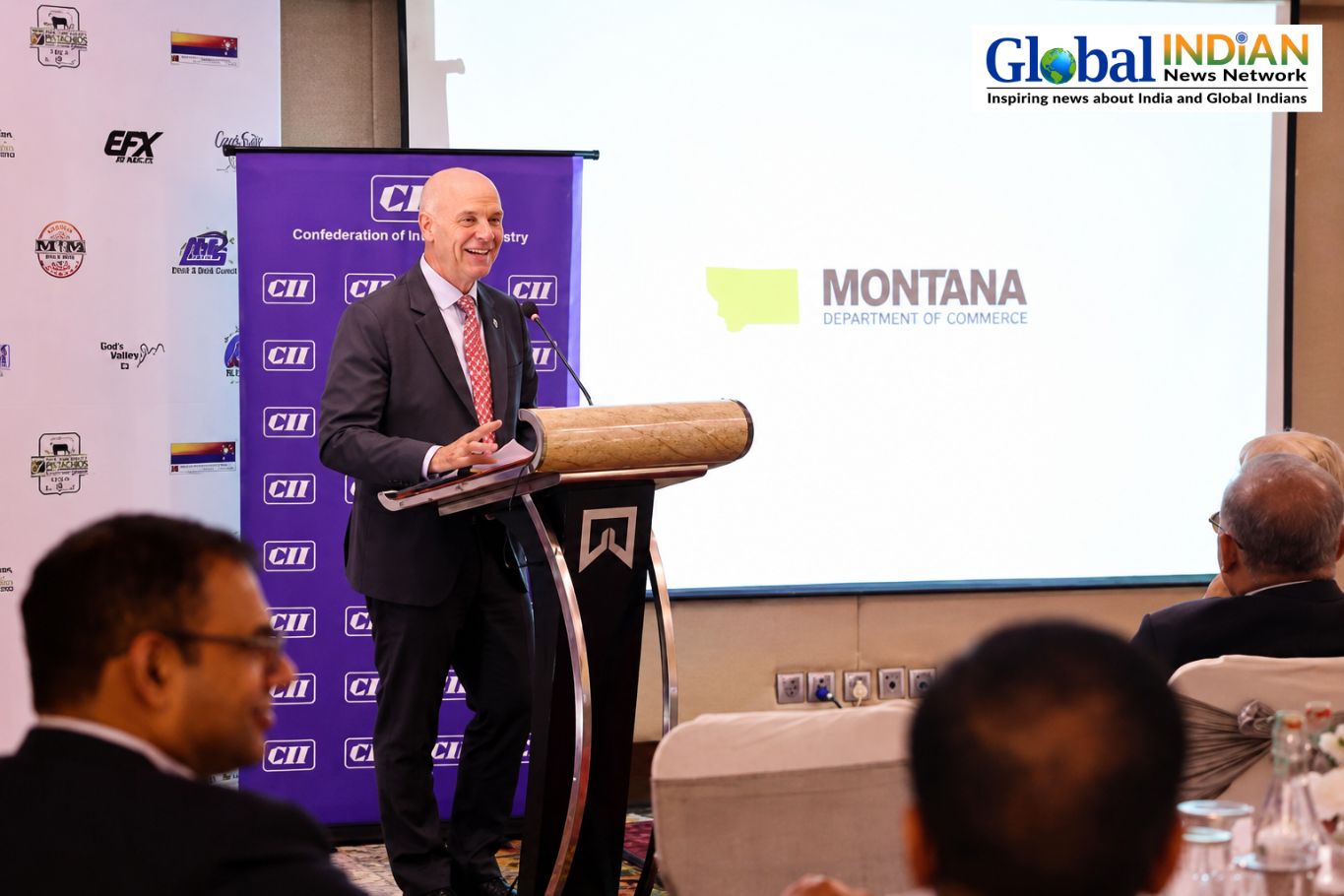
 Montana is exploring expanded cooperation with India in advanced technology, aerospace, agriculture and scientific research, as the US state looks to strengthen commercial and academic ties between the two countries.
Montana Governor Greg Gianforte announced the areas of interest during his visit to India with a delegation of 36 representatives from higher education and advanced technology sectors. According to an IANS report, the delegation is holding discussions with Indian businesses and educational institutions to identify opportunities for joint research, product development and economic growth.
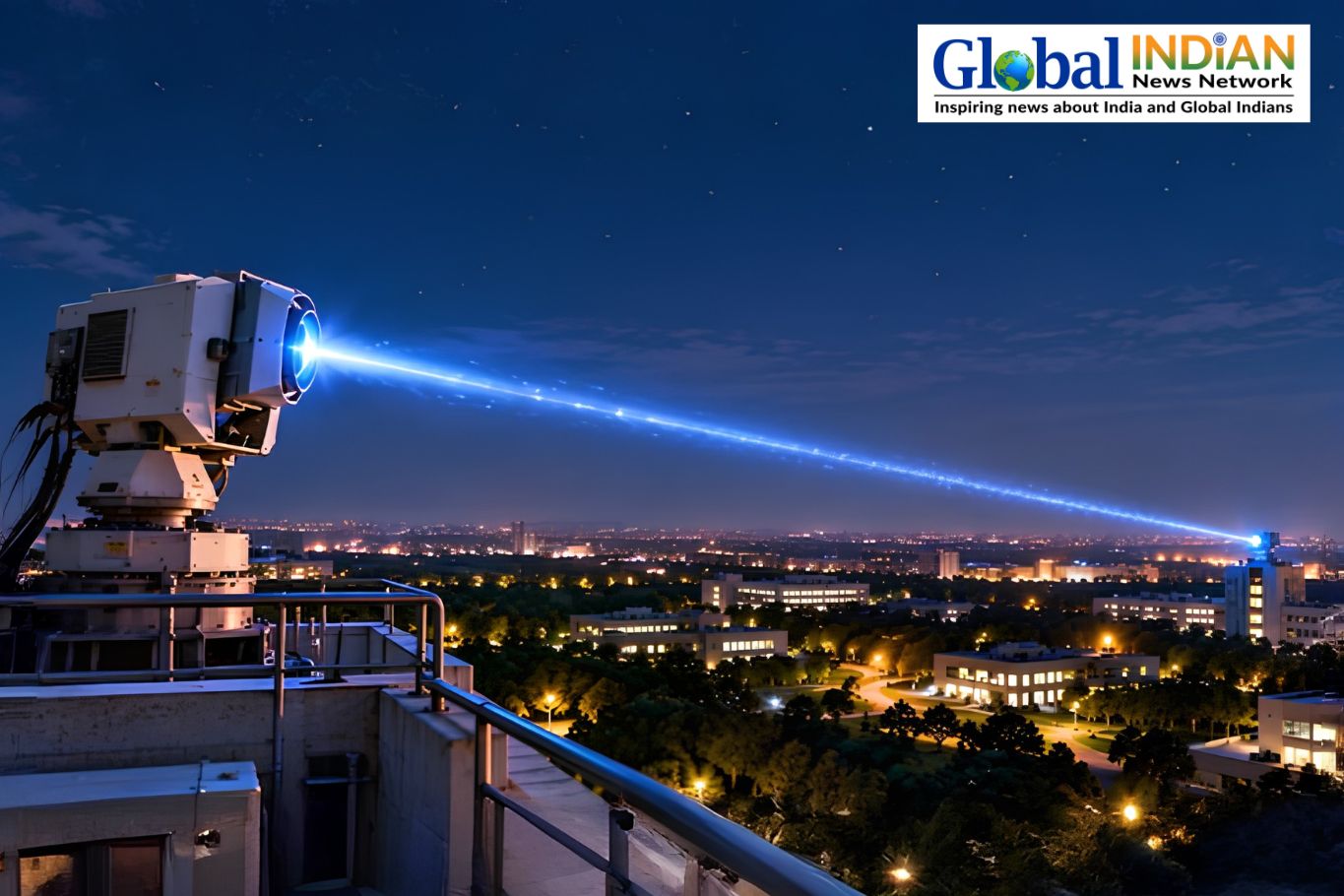
Quantum technology and photonics are among the leading areas under consideration. Gianforte said institutions and businesses in both Montana and India are pursuing work in these fields, creating opportunities for universities to collaborate on research and for private companies to develop new technologies. He noted that Montana institutions invest hundreds of millions of dollars in research relevant to these sectors.
Aerospace is another potential area for closer cooperation. Gianforte pointed to the connection between India’s use of Boeing aircraft and Montana’s role in manufacturing aircraft components. He said this existing industrial link could create opportunities for businesses in both countries to expand their partnerships.
The delegation is also examining opportunities in precision agriculture, where technology can help farmers improve productivity. Montana’s School of Agriculture is represented on the visit, reflecting the importance of agricultural research and innovation in the proposed collaboration. Other areas being explored include defense technology and bioscience.
Alongside technology and research, Gianforte emphasized the importance of stable trade relations between India and the United States. He said US Ambassador to India Sergio Gor had indicated that the two countries were approaching a bilateral trade agreement.
According to Gianforte, a trade deal could provide businesses with greater predictability and support longer-term commercial relationships. He particularly highlighted trade in pulse crops, noting that fluctuations in India’s purchasing patterns have affected agricultural trade. He called for reciprocal and fair trade arrangements that give businesses in both countries greater confidence.
The discussions reflect Montana’s interest in building deeper economic connections with India while identifying shared priorities in research, manufacturing, agriculture and emerging technologies. If developed further, these partnerships could create opportunities for universities, businesses and farmers in both countries.