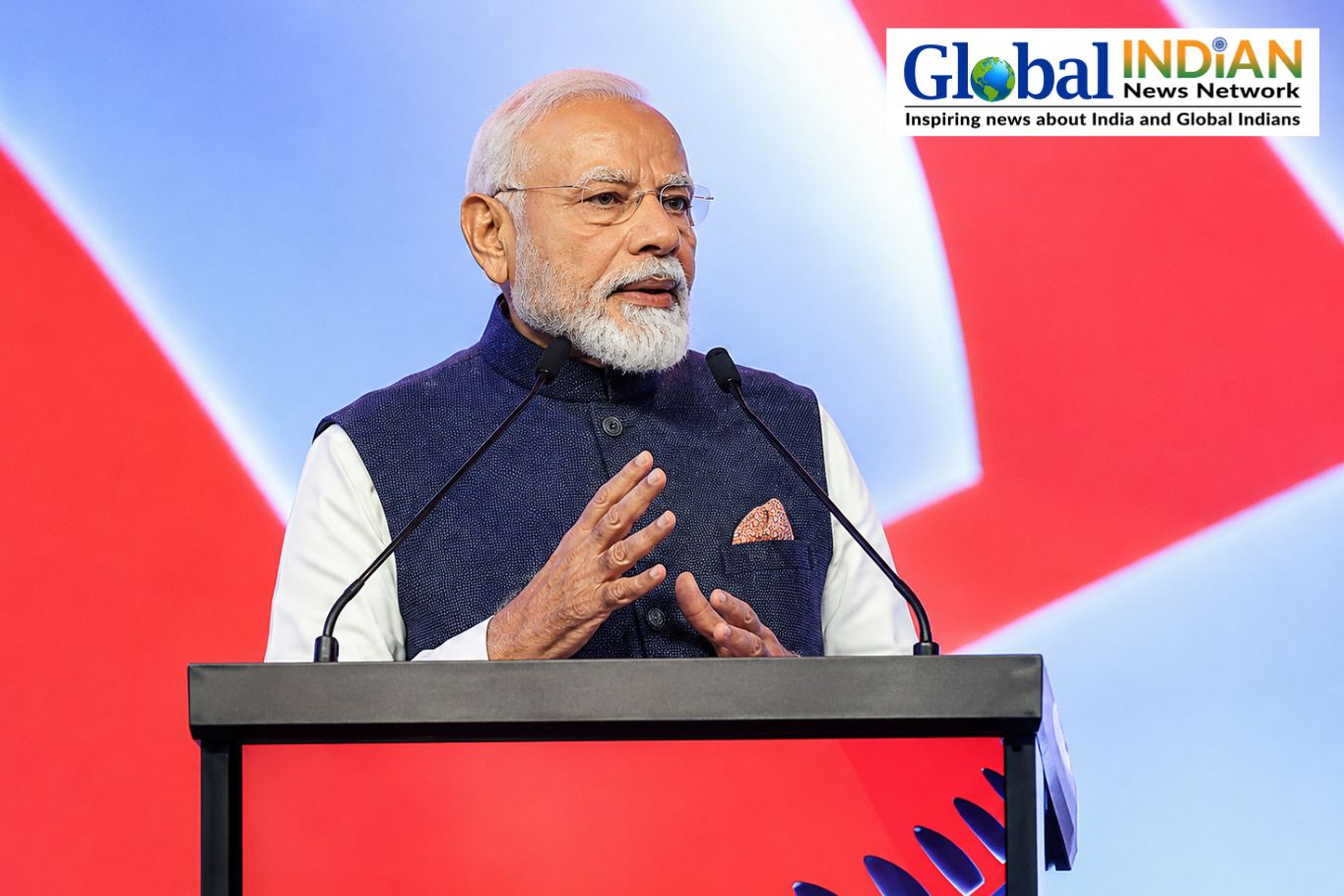
Prime Minister Narendra Modi’s recent diplomatic journey across Australia, New Zealand, and Indonesia marks a significant step in India’s efforts to strengthen its position in the Indo-Pacific region. According to an analysis published by the Politeia Research Foundation (PRF), the three-country tour should be viewed as a unified strategic initiative rather than a collection of separate bilateral visits. The report suggests that the outreach reflects New Delhi’s determination to expand its influence in a region where its presence has traditionally been more limited than its long-term ambitions.
The study explains that the Prime Minister linked the visit to India’s Act East Policy and the MAHASAGAR vision, formally known as Mutual and Holistic Advancement for Security and Growth Across Regions. By placing New Zealand within this broader regional framework, India signaled that the engagement is part of a larger strategic realignment instead of an isolated diplomatic effort. The approach demonstrates New Delhi’s intent to deepen cooperation across the Indo-Pacific while reinforcing its long-term geopolitical objectives.
One of the most notable outcomes of the visit was the simultaneous announcement of a free trade agreement and an upgraded strategic partnership with New Zealand. Rather than treating economic cooperation and defense ties as separate phases, India presented both initiatives together, highlighting a growing preference for integrating commercial opportunities with security collaboration. The report notes that maritime dialogue has become a standard element of India’s regional partnerships.
The analysis also points to India’s decision to extend its Maritime Cooperation Arrangement and Mutual Logistics Support Arrangement to New Zealand. Previously, these frameworks had been reserved for key strategic partners, including Australia, the United States, and France. Expanding such agreements indicates that India is broadening its network of trusted maritime and logistics partners beyond its traditional alliances.
Another important aspect of the visit was the engagement with the Indian diaspora in Auckland. The report suggests that overseas Indian communities are increasingly being recognized as valuable contributors to India’s diplomatic outreach, helping strengthen relationships with partner nations through established cultural and social connections.
Overall, the PRF concludes that India is extending its Indo-Pacific strategy into the South Pacific for the first time in decades. While New Zealand’s role may be smaller than some of India’s larger regional partnerships, its inclusion reflects the country’s growing strategic ambitions and its commitment to combining trade, security, and diplomacy as key pillars of its foreign policy.