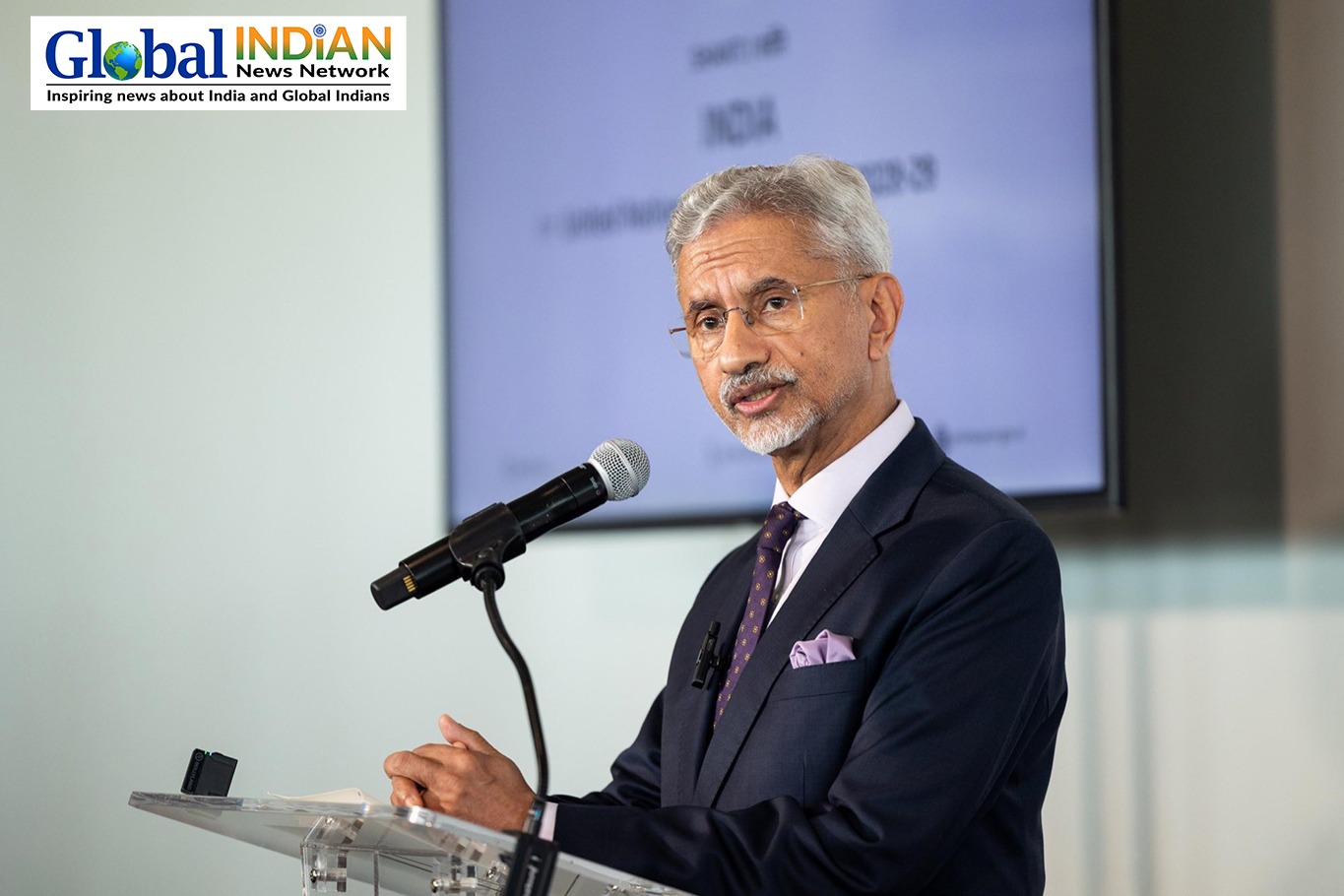
 India has officially kicked off its campaign for a non-permanent seat on the United Nations Security Council (UNSC) for the 2028-29 term, with External Affairs Minister S. Jaishankar outlining the country’s vision for a more balanced and effective global order. Speaking at the UN headquarters in New York, Jaishankar said India remains committed to promoting international peace, fairness, and stronger representation for developing nations.
The campaign centers on the theme “SHANTI,” which stands for Securing Holistic Advancement through Norms, Trust, and Integrity. According to Jaishankar, this approach reflects India’s commitment to strengthening multilateral cooperation while addressing today’s most pressing global challenges.
During his address to diplomats and UN representatives, Jaishankar said India would work toward ensuring that the concerns of the Global South receive equal attention in international decision-making. He stressed that global institutions must evolve to reflect present-day realities rather than continue operating under outdated structures.
The minister also highlighted several priority areas for India if elected. These include improving the effectiveness of UN peacekeeping missions, strengthening maritime security, preventing terrorism by disrupting its financial and logistical support, encouraging responsible use of emerging technologies, and advancing climate action alongside sustainable economic growth.
India’s campaign comes as international tensions continue to shape global politics, including conflicts in Ukraine and the Middle East. Against this backdrop, the country believes the United Nations must become more responsive and capable of addressing modern security challenges through meaningful cooperation among member states.
The election for the Asia-Pacific seat on the Security Council is scheduled for June next year. India will compete against Tajikistan for the region’s single available non-permanent seat. If successful, it would mark India’s ninth tenure on the Security Council, following its most recent term in 2021-22.
India also reiterated its long-standing demand for broader reforms to the Security Council. New Delhi has consistently argued that expanding only the non-permanent membership would not resolve the imbalance in decision-making, which continues to be dominated by the Council’s five permanent members. Officials maintain that reforms should include both permanent and non-permanent categories to create a more representative institution capable of addressing today’s geopolitical landscape. India has repeatedly urged UN members to accelerate negotiations and avoid procedural delays that have slowed reform efforts for decades.