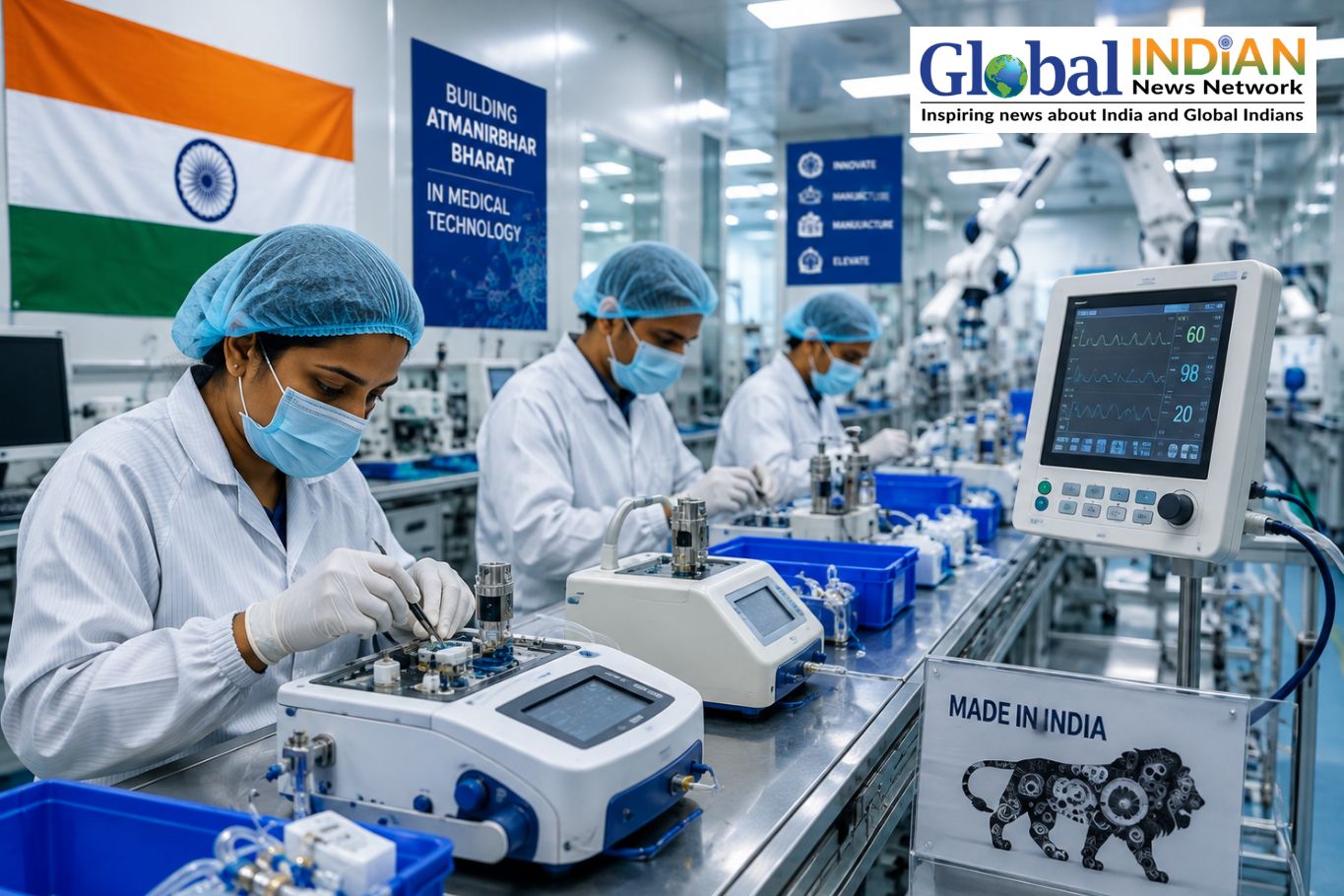
India’s medical technology industry is undergoing a significant transformation as domestic manufacturing, government incentives and technological innovation reduce the country’s reliance on imported medical devices. Prime Minister Narendra Modi has highlighted the progress as part of India’s broader push toward a more self-reliant and globally competitive healthcare ecosystem.
Government-backed programs are playing a central role in expanding local production. Initiatives including the Production Linked Incentive Scheme, Medical Device Parks and the Promotion of Research and Innovation in Pharma-MedTech Scheme are encouraging companies to develop and manufacture advanced medical equipment within the country.
More than 50 high-end medical devices are now being produced domestically under the PLI program, reflecting growing capabilities across India’s med-tech manufacturing base. Continued foreign investment has also indicated rising confidence in the sector and its long-term potential.
Alongside manufacturing, policymakers are working to strengthen the regulatory environment surrounding medical devices. Improvements in testing facilities, regulatory processes and clinical evidence generation are intended to support patient safety while helping Indian-made products meet international quality requirements.
India’s medical technology market is currently estimated at approximately $15-16 billion and is growing at nearly 12% annually. The country is now the fourth-largest med-tech market in Asia and ranks among the world’s top 20 markets, highlighting the scale of its expanding healthcare technology industry.
The sector is also opening new opportunities through emerging technologies. Artificial intelligence, software-based medical solutions, connected devices, robotics and remote diagnostic systems are becoming increasingly important areas of development. These technologies could help expand access to healthcare while improving efficiency and the delivery of medical services.
India’s medical device industry is projected to reach between $30 billion and $50 billion within the current decade. Its longer-term outlook is even more ambitious, with the sector expected to potentially reach $250 billion by 2047.
The expansion of domestic capabilities could have implications well beyond healthcare. Increased manufacturing may generate new employment, encourage technology development, support exports and strengthen supply chains. Greater local production could also help make medical equipment more accessible and reduce vulnerabilities caused by disruptions in international supply networks.
With sustained policy support and rising investment, India is positioning its med-tech industry as an important component of its broader healthcare ambitions. The combination of domestic manufacturing, innovation and stronger regulatory standards could further establish the country as a dependable global partner in medical technology.