 Negotiations for a proposed Bilateral Trade Agreement (BTA) between India and the United States are set to resume later this month, marking another step toward strengthening economic ties between the two nations. An Indian delegation is expected to visit the United States from April 20 to 22 to continue discussions aimed at finalizing key aspects of the agreement.
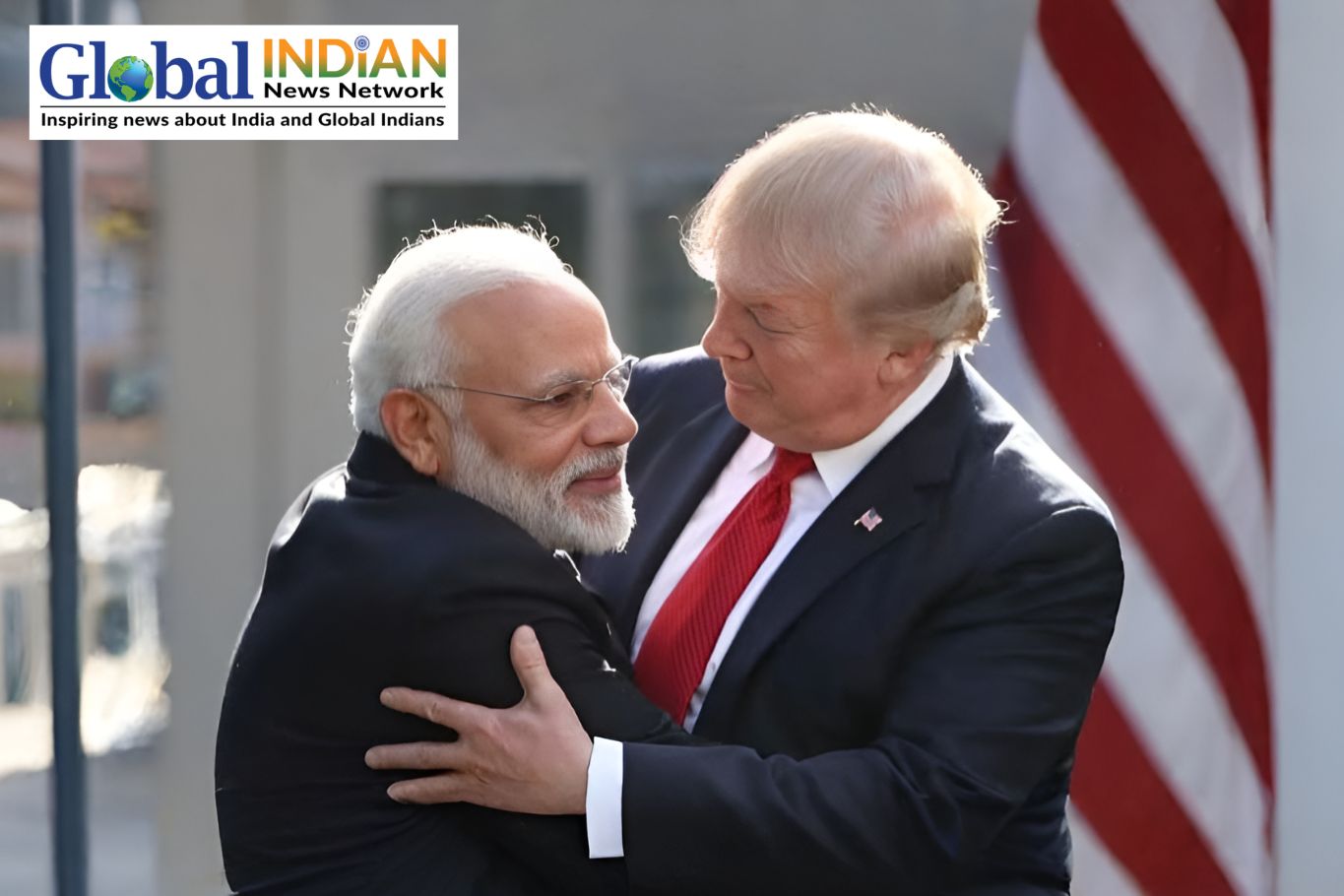
The renewed momentum follows a recent conversation between Prime Minister Narendra Modi and US President Donald Trump on April 14. During the call, both leaders reviewed progress made in bilateral cooperation across multiple sectors and reaffirmed their commitment to further deepening the Comprehensive Global Strategic Partnership. They also discussed geopolitical developments in West Asia, emphasizing the importance of maintaining stability and ensuring the security of critical trade routes such as the Strait of Hormuz.
Earlier discussions between Union Commerce and Industry Minister Piyush Goyal and US Trade Representative Jamieson Greer also played a crucial role in advancing the negotiations. The meeting, held on March 27, was described as highly productive, focusing on outlining the next steps for the agreement and identifying opportunities to expand economic collaboration and trade relations.
In February, both countries had already agreed on an interim framework for the first phase of the BTA, although the deal is yet to be formally signed. The framework outlines several measures aimed at improving market access and reducing trade barriers. India has proposed eliminating or lowering tariffs on a wide range of US industrial and agricultural products, including food items, oils, and raw materials, to facilitate smoother trade flows.
In return, the United States plans to apply a reduced tariff rate of 18 percent on selected Indian exports, with the possibility of further reductions as negotiations progress. These exports include products such as textiles, machinery, chemicals, and handcrafted goods. Additionally, certain categories like aircraft components, pharmaceuticals, and precious stones are expected to receive tariff exemptions.
Both nations have also agreed to enhance supply chain resilience and promote technology-driven trade. As part of the broader understanding, India is expected to import goods worth $500 million over the next five years, spanning sectors such as energy, aviation, and advanced technology.
The agreement also includes provisions to establish clear rules of origin, ensuring that trade benefits primarily support domestic industries in both countries. With continued dialogue and cooperation, the BTA is expected to play a significant role in shaping the future of India-US economic relations.