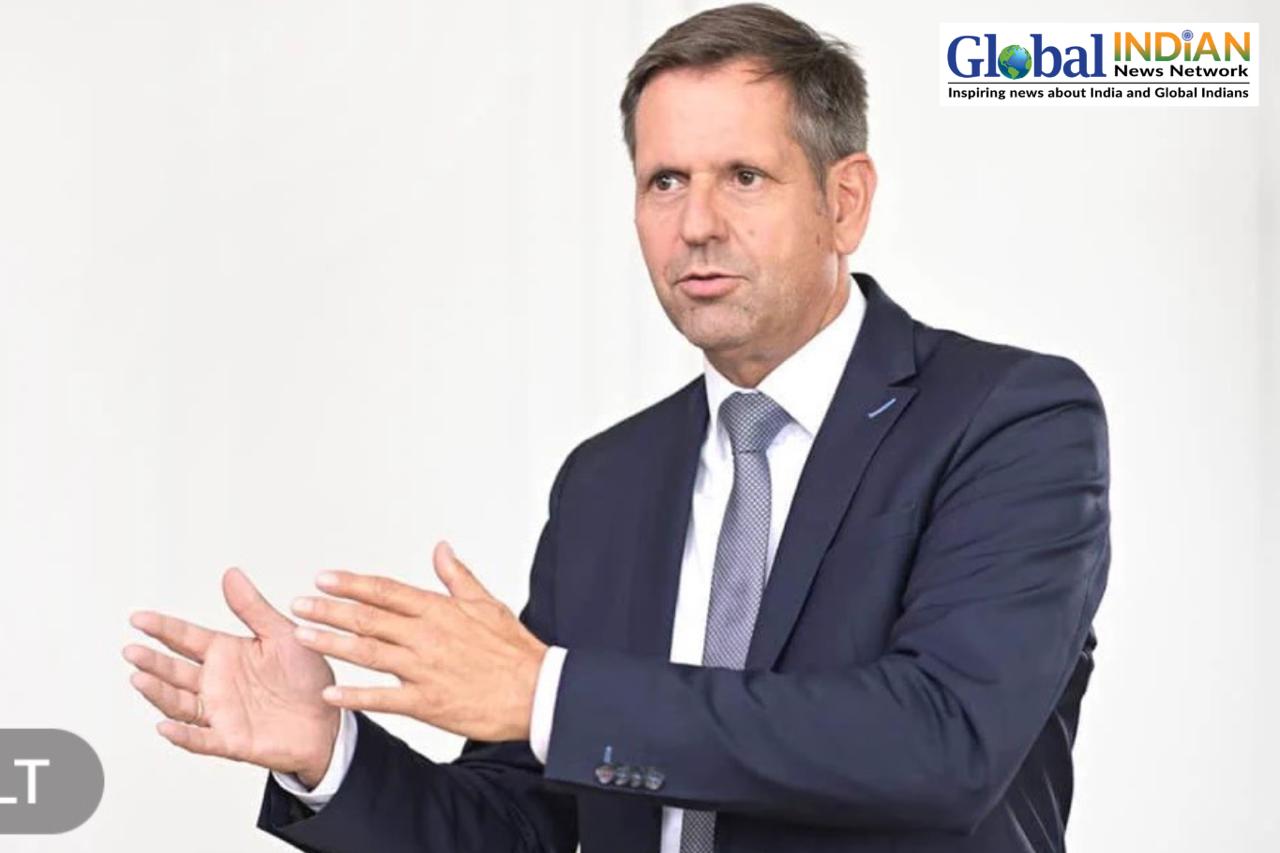
The proposed Free Trade Agreement between India and the European Union could be finalized by the end of 2026, potentially opening new avenues for trade, investment, and business cooperation, according to Lower Saxony Minister-President Olaf Lies. Speaking to IANS, Lies expressed optimism that the agreement would strengthen economic relations and encourage greater commercial engagement between Indian businesses and companies in the German state.
He emphasized that the proposed deal could make direct business connections between India and Lower Saxony increasingly important, particularly in areas involving investment, international trade, and the exchange of industrial components. Lies noted that companies from Germany were exploring investment opportunities in India, while Indian businesses were also showing interest in expanding their presence in Lower Saxony.
Highlighting the potential for collaboration in renewable energy, the German leader described India as an important partner for Germany in this sector. He added that the trade agreement could generate fresh possibilities for industries in both countries, supporting business expansion and mutually beneficial economic partnerships.
The latest developments follow the seventh India-EU Strategic Partnership Review Meeting, held in New Delhi earlier in November. During the discussions, representatives from both sides assessed progress across their broader strategic relationship, including trade and investment negotiations under the proposed FTA.
The meeting was co-chaired by India’s Secretary (West), Sibi George, and Matti Maasikas, the European Union’s Deputy Secretary-General for Geoeconomics and Interinstitutional Issues. Both sides also reviewed the implementation of the Joint Comprehensive Strategic Agenda, adopted during the India-EU Summit in January 2026.
The anticipated trade agreement represents an important opportunity to deepen India’s economic engagement with European markets. Greater cooperation could benefit businesses through improved trade access, stronger supply chains, expanded investment opportunities, and closer industrial partnerships. Lies’s remarks underline Germany’s interest in strengthening commercial relations with India as both economies explore new avenues for growth.