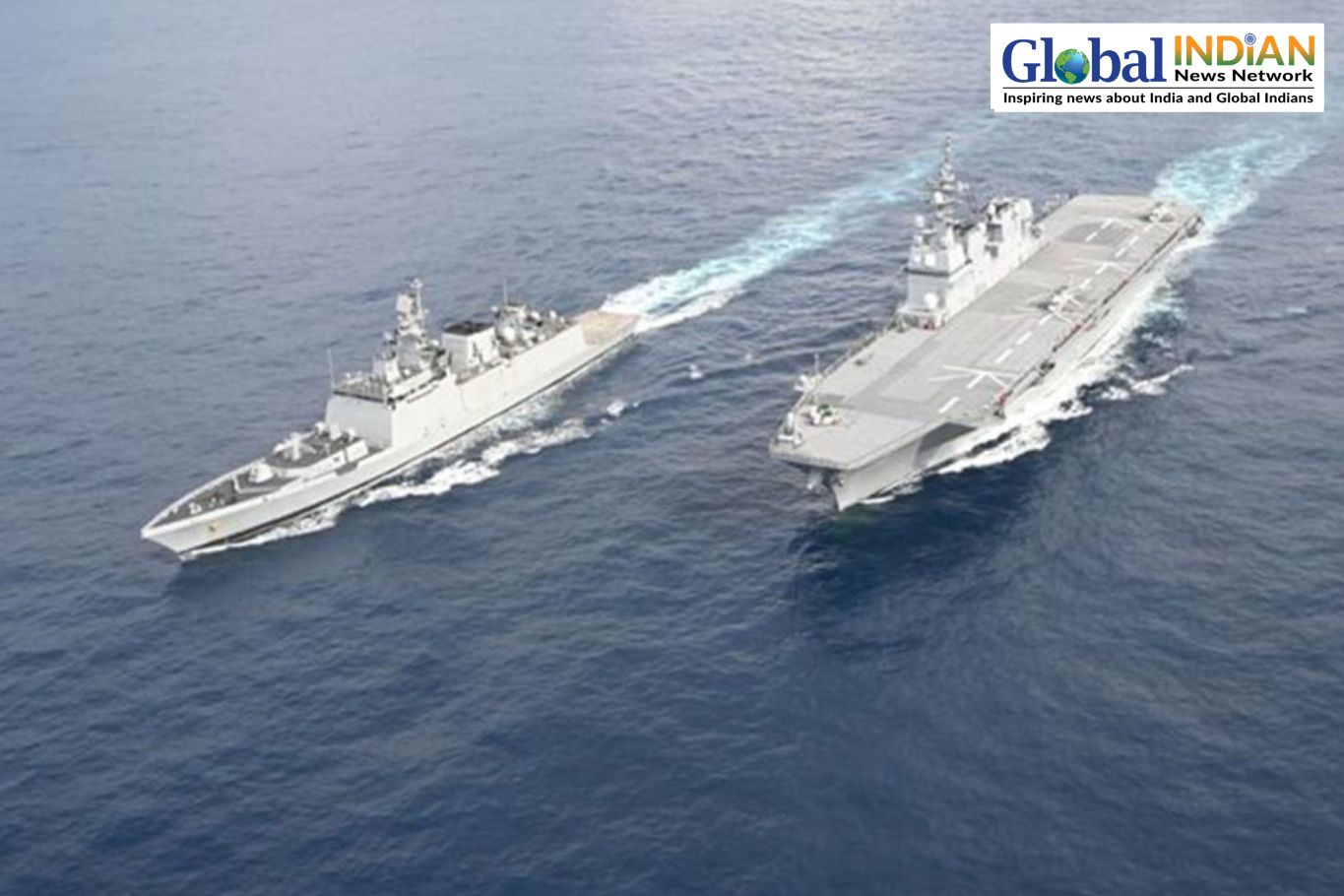
India and Japan have agreed to strengthen their defence industrial partnership, with joint naval shipbuilding and design emerging as key areas of potential cooperation. The development marks another significant step in the growing strategic partnership between the two countries, particularly as both seek to enhance maritime security and strengthen their presence in the Indo-Pacific region.
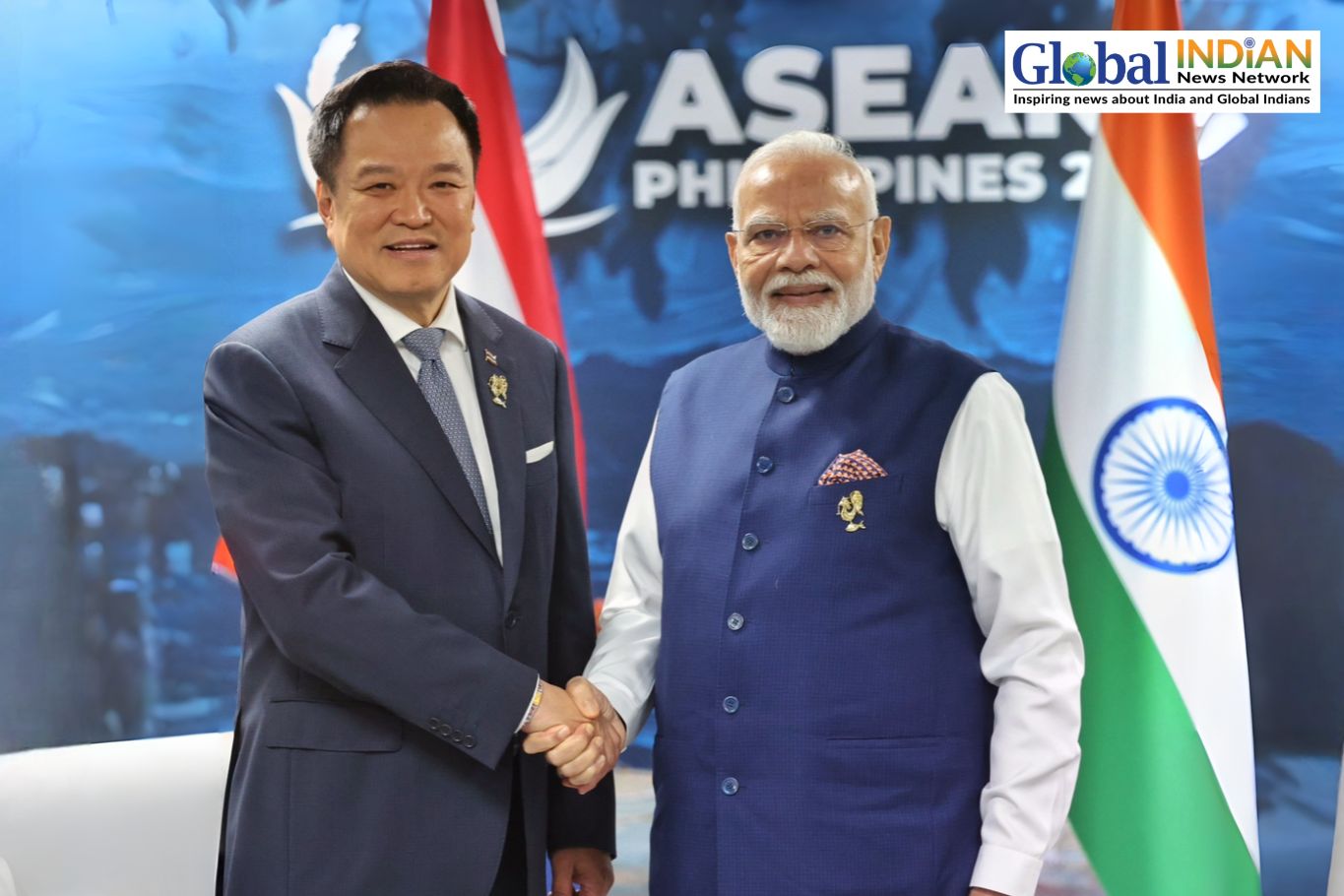
The understanding was reached during the fourth India-Japan 2+2 Foreign and Defence Ministerial Meeting in Tokyo, where senior ministers from both countries discussed expanding defence manufacturing, military cooperation, technology sharing and regional security. The discussions reaffirmed their commitment to the framework of “Design with Japan, Make in India”, aimed at promoting closer collaboration in defence production and industrial development.
India’s Defence Minister Rajnath Singh and External Affairs Minister S Jaishankar participated in the meeting alongside Japanese Foreign Minister Motegi Toshimitsu and Defence Minister Koizumi Shinjiro. In their joint statement, the ministers welcomed the growing defence and security partnership and called for further cooperation in defence production, research and technology.
Both sides expressed their intention to strengthen defence industrial engagement and welcomed the third India-Japan Defence Industries Forum, held in Tokyo in October 2026. They also looked forward to the early formulation of arrangements related to the UNICORN initiative and India’s Acceptance of Necessity (AoN) by February 2027.
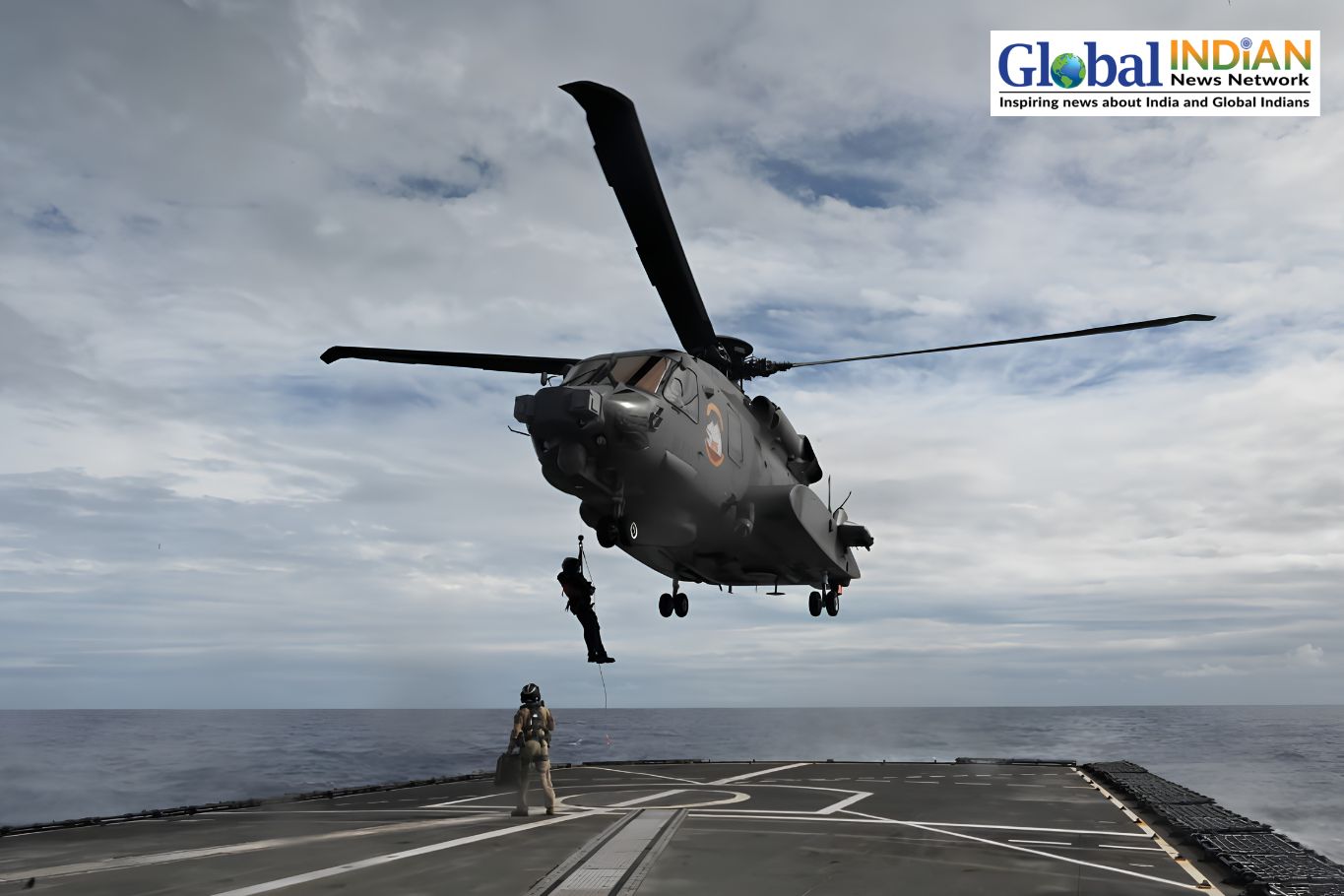
Maritime security emerged as another major focus of the discussions. India and Japan welcomed the recently signed Memorandum of Arrangement on Maritime Security Cooperation and agreed to pursue tangible outcomes through closer engagement between the Indian Navy and the Japan Maritime Self-Defence Force.
The proposed cooperation will cover Maritime and Air Domain Awareness, search and rescue operations, information sharing and humanitarian assistance and disaster relief. Both countries will pursue these initiatives in accordance with their respective strategic priorities and operational requirements.
The ministers also reaffirmed their commitment to strengthening mine countermeasure capabilities while exploring the possibility of joint development in naval shipbuilding and design. Such cooperation could create new opportunities for defence industries in both countries while supporting their broader maritime security objectives.
Military exercises and operational coordination also featured prominently in the discussions. The two countries welcomed the expansion of bilateral defence exercises, particularly following the first-ever visit of Japan Air Self-Defence Force fighter aircraft to India for the Veer Guardian 26 air force exercise.
Both sides agreed to further enhance the complexity and scope of joint military exercises, including greater integration of unmanned systems and participation in bilateral and multilateral exercises at short notice. These initiatives are expected to improve interoperability and strengthen coordination between their armed forces.
In another important development, India and Japan welcomed the signing of a Letter of Intent concerning the utilisation of firing ranges in India. The proposed arrangement would allow Japan’s Self-Defence Forces to conduct live-fire training in India for the first time, including exercises involving surface-to-ship missiles.
The ministers agreed to accelerate coordination between their respective defence authorities to facilitate the early implementation of this arrangement. The initiative represents a notable expansion of military cooperation and could provide new opportunities for practical defence engagement.
The discussions also highlighted the growing strategic convergence between India and Japan amid an increasingly complex international environment. Both countries reiterated their commitment to a rules-based international order founded on sovereignty, territorial integrity and the peaceful resolution of disputes.
The ministers emphasized the importance of maintaining a free, open and rules-based Indo-Pacific, while opposing unilateral attempts to change the status quo through force or coercion.
They also recognized the complementary nature of India’s Indo-Pacific Oceans’ Initiative and MAHASAGAR vision with Japan’s updated Free and Open Indo-Pacific policy. The initiatives are intended to promote regional stability, economic prosperity, maritime cooperation and resilience.
The meeting reviewed progress in bilateral relations since the previous 2+2 dialogue in 2024 and welcomed the outcomes of the 15th and 16th India-Japan Annual Summits. These engagements have provided strategic direction for expanding cooperation across defence, economic security, energy resilience, technology, innovation and people-to-people exchanges.
Beyond defence and maritime affairs, the ministers agreed to strengthen consultations on regional and international developments, including issues concerning Africa, Asia and the Middle East. Cooperation on United Nations reform, space, climate change, counterterrorism, maritime affairs and the Arctic also featured in the discussions.
Japan’s ministers briefed their Indian counterparts on ongoing efforts to revise the country’s National Security Strategy, National Defence Strategy and Defence Buildup Program. Both sides noted that these developments could create further opportunities for defence and security cooperation.
Coast guard cooperation was another area of mutual interest. The two countries welcomed expanding engagement between their respective coast guards and noted that India would host the fifth Coast Guard Global Summit in February 2027. The initiative was originally established by the Japan Coast Guard to strengthen international cooperation.
The ministers also agreed to establish a dialogue between the consular authorities of both countries to address matters concerning their nationals abroad. The proposed engagement will include a tabletop exercise to improve coordination and assistance during emergencies.
The latest 2+2 meeting underscores the growing importance of India-Japan relations in the evolving Indo-Pacific security landscape. With defence manufacturing, naval technology, maritime security and military interoperability gaining prominence, both countries are moving towards a more comprehensive strategic partnership.
The exploration of joint naval shipbuilding and design could become an important dimension of this relationship, opening avenues for technological collaboration and strengthening the defence industrial capabilities of both nations.