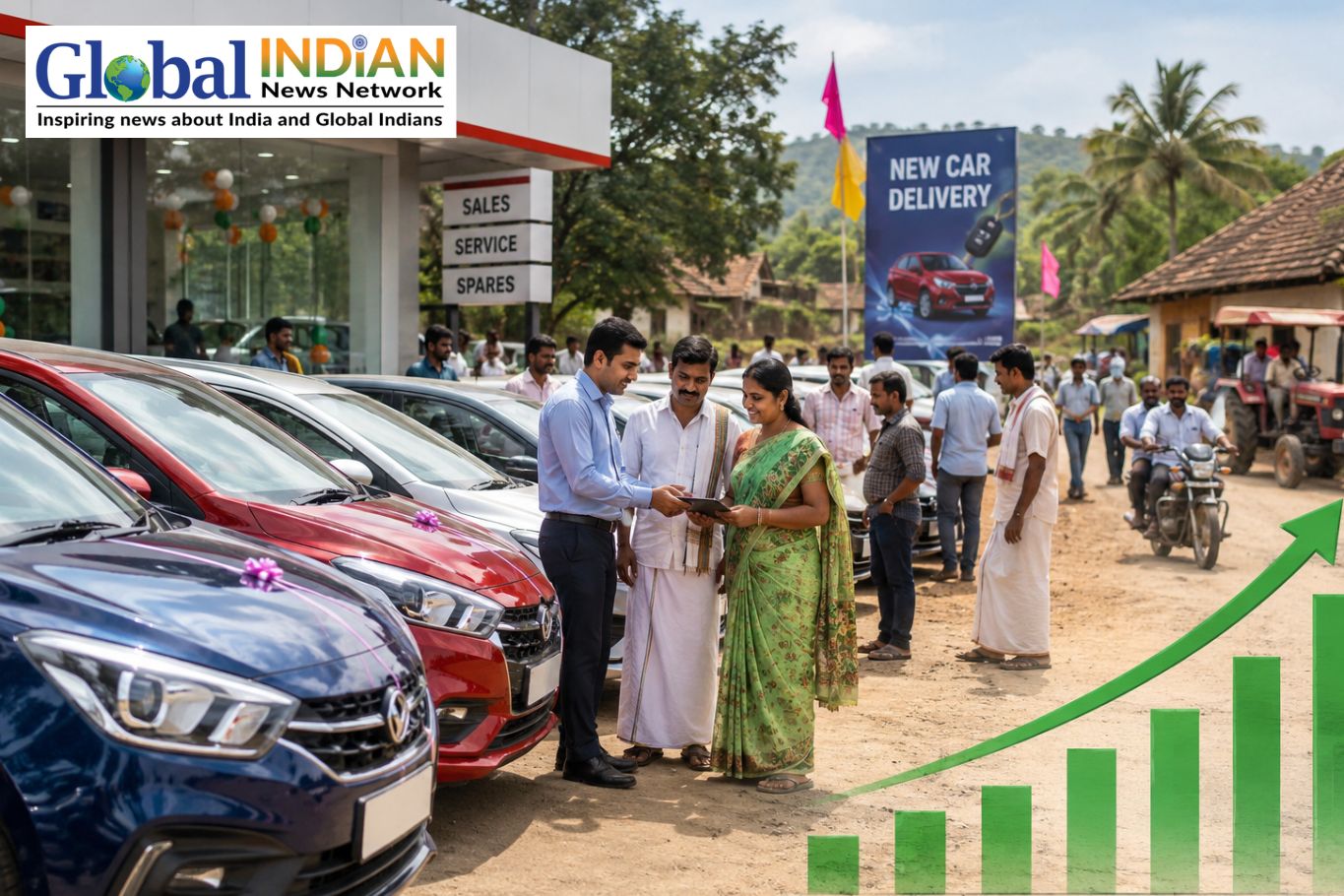
 India’s automobile retail market continued its upward momentum in May 2026, registering a notable increase in sales as consumer demand remained resilient across multiple vehicle categories. The latest figures released by the Federation of Automobile Dealers Associations (FADA) showed that retail vehicle sales climbed 9.60% compared with the same period a year earlier, highlighting the sector’s ability to withstand various economic and environmental challenges.
The growth extended across several major segments, including two-wheelers, passenger cars, commercial vehicles, and tractors. This broad-based expansion suggests that demand remains healthy among different categories of consumers, ranging from urban commuters to rural buyers. Industry observers believe the performance reflects confidence among consumers despite concerns related to rising fuel costs, prolonged heatwave conditions, and uncertainties stemming from global geopolitical developments.
Several factors contributed to the sector’s positive performance. Stable access to financing options, improved infrastructure, and increasing mobility requirements have encouraged consumers to move ahead with vehicle purchases. Rising income levels and expanding vehicle ownership in smaller towns and rural regions have also strengthened the domestic market, enabling it to maintain growth even amid external pressures.
Looking ahead, industry participants remain optimistic about the coming months, particularly as the south-west monsoon season approaches. A favorable monsoon is often linked to stronger agricultural output and higher rural earnings, which can significantly influence purchasing patterns in the countryside. Improved farm incomes typically lead to greater spending power, especially in categories such as tractors, motorcycles, and affordable passenger vehicles.
According to FADA, a large proportion of automobile dealers expect business conditions to improve further over the next quarter. Increased agricultural activity associated with the Kharif sowing season is anticipated to enhance rural liquidity and stimulate demand for transportation and farming equipment. This positive sentiment is expected to support sustained momentum within the sector.
Another emerging trend shaping the industry is the growing preference for cleaner transportation alternatives. Consumers are increasingly exploring compressed natural gas (CNG) vehicles and electric mobility options as awareness surrounding environmental sustainability continues to rise. The shift toward alternative-fuel technologies reflects changing consumer priorities and broader efforts to reduce dependence on conventional fuels.
Industry experts believe that a combination of supportive rural demand, favorable weather conditions, and expanding adoption of sustainable mobility solutions could provide a solid foundation for continued growth throughout FY27. As a result, India’s automobile sector remains well-positioned to capitalize on evolving market dynamics and maintain its growth trajectory in the months ahead.