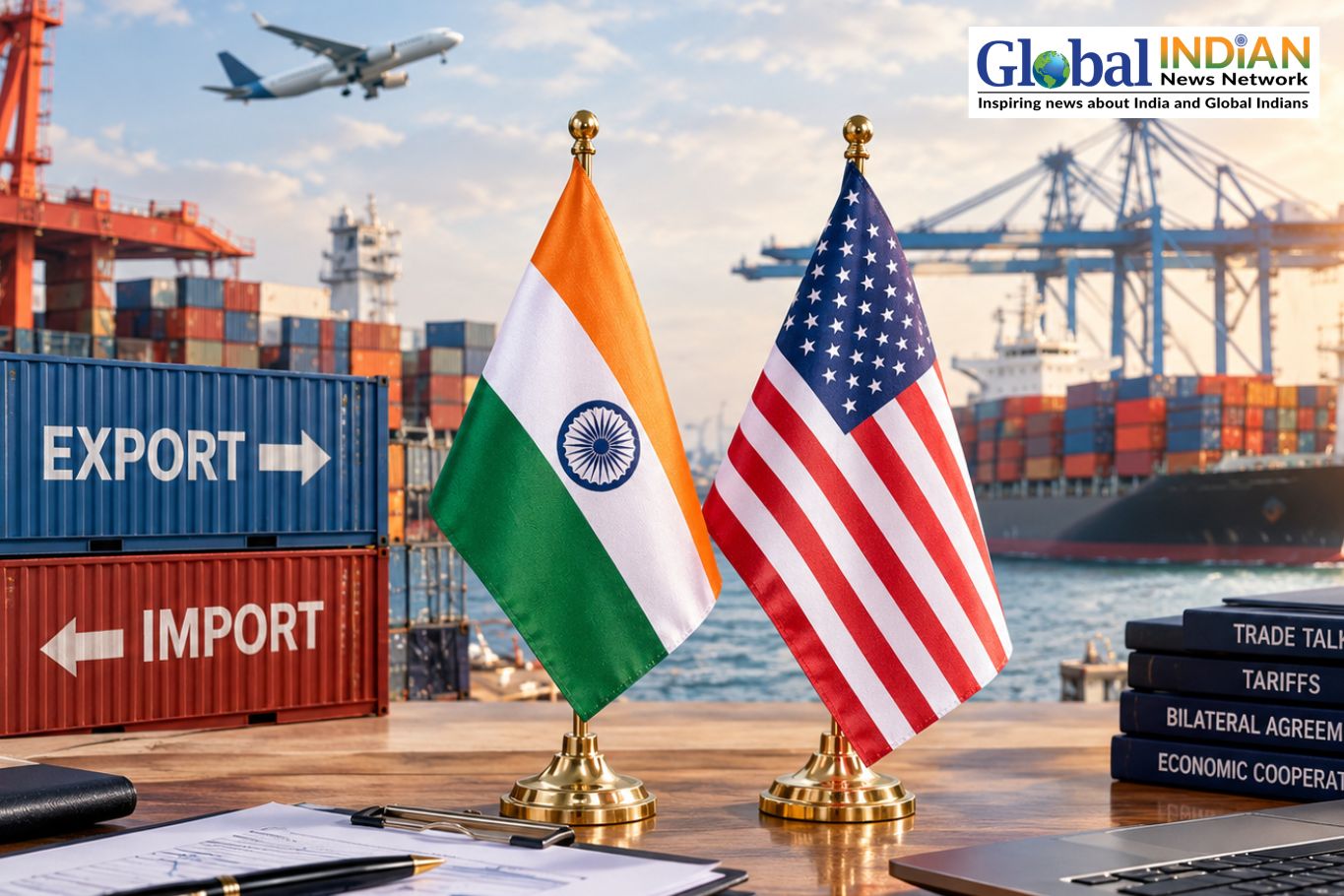
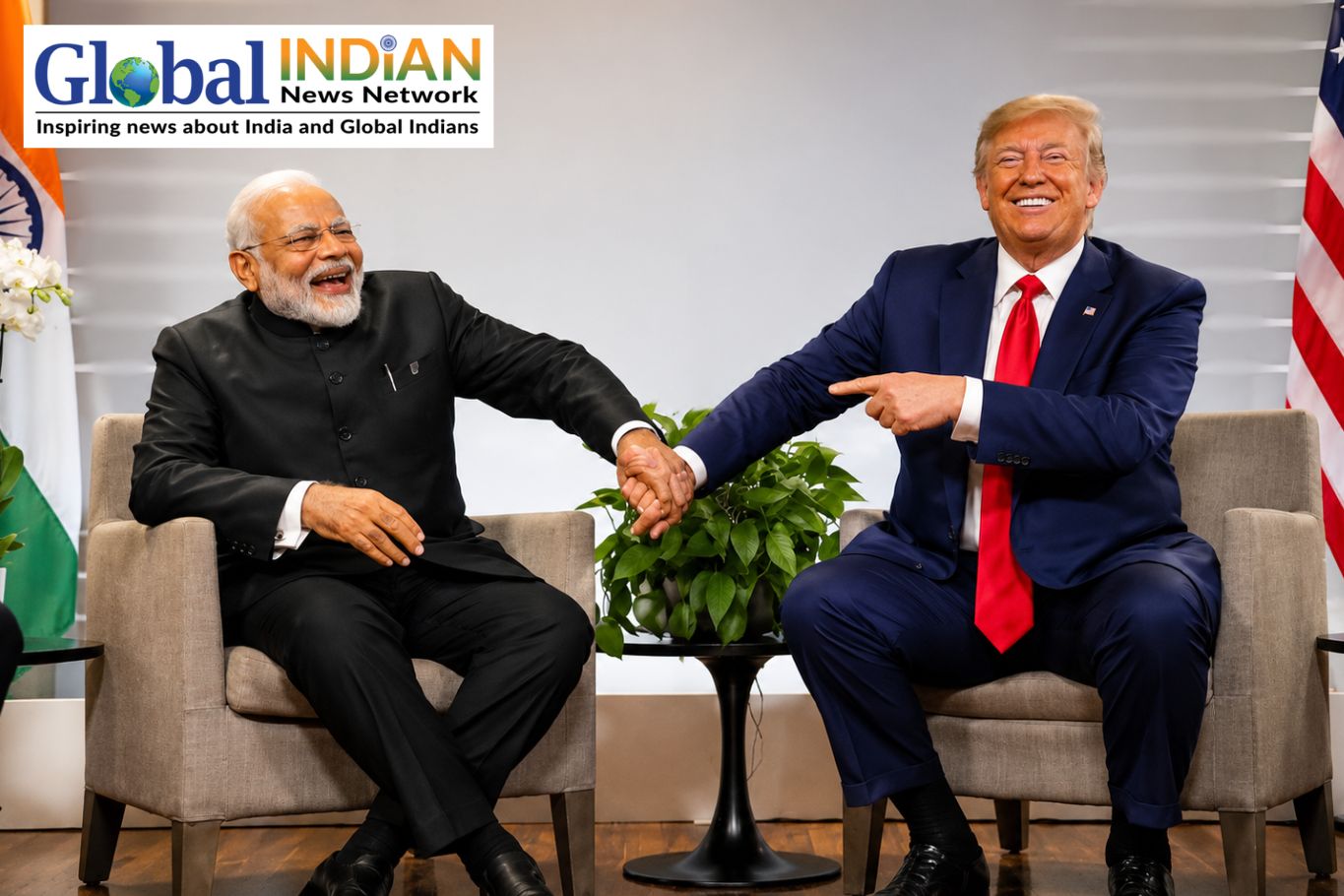
 Trade discussions between India and the United States have gained renewed attention after former US President Donald Trump expressed admiration for Indian Prime Minister Narendra Modi. Trump said, “I like your Prime Minister a lot. He is a good friend of mine, and we get along well. We have a good relationship,” highlighting the personal rapport between the two leaders despite ongoing trade negotiations.
Trump also commented on the economic dynamics between the two nations, stating, “For years, India took advantage of the United States. They charged us tremendous tariffs and paid nothing. Now it is the exact reverse and we are making a lot of money with India. But we will get to a deal.” His remarks reflect both optimism and criticism regarding historical trade imbalances, while still signaling confidence in reaching a formal agreement.
The comments come at a sensitive time as India and the United States continue negotiations toward an interim trade deal. Talks have been ongoing for several months, with both sides aiming to resolve key issues before moving toward a broader bilateral trade agreement. However, tariff-related concerns remain a major sticking point, including a recent US proposal for an additional 12.5% duty on imports from several economies, including India.
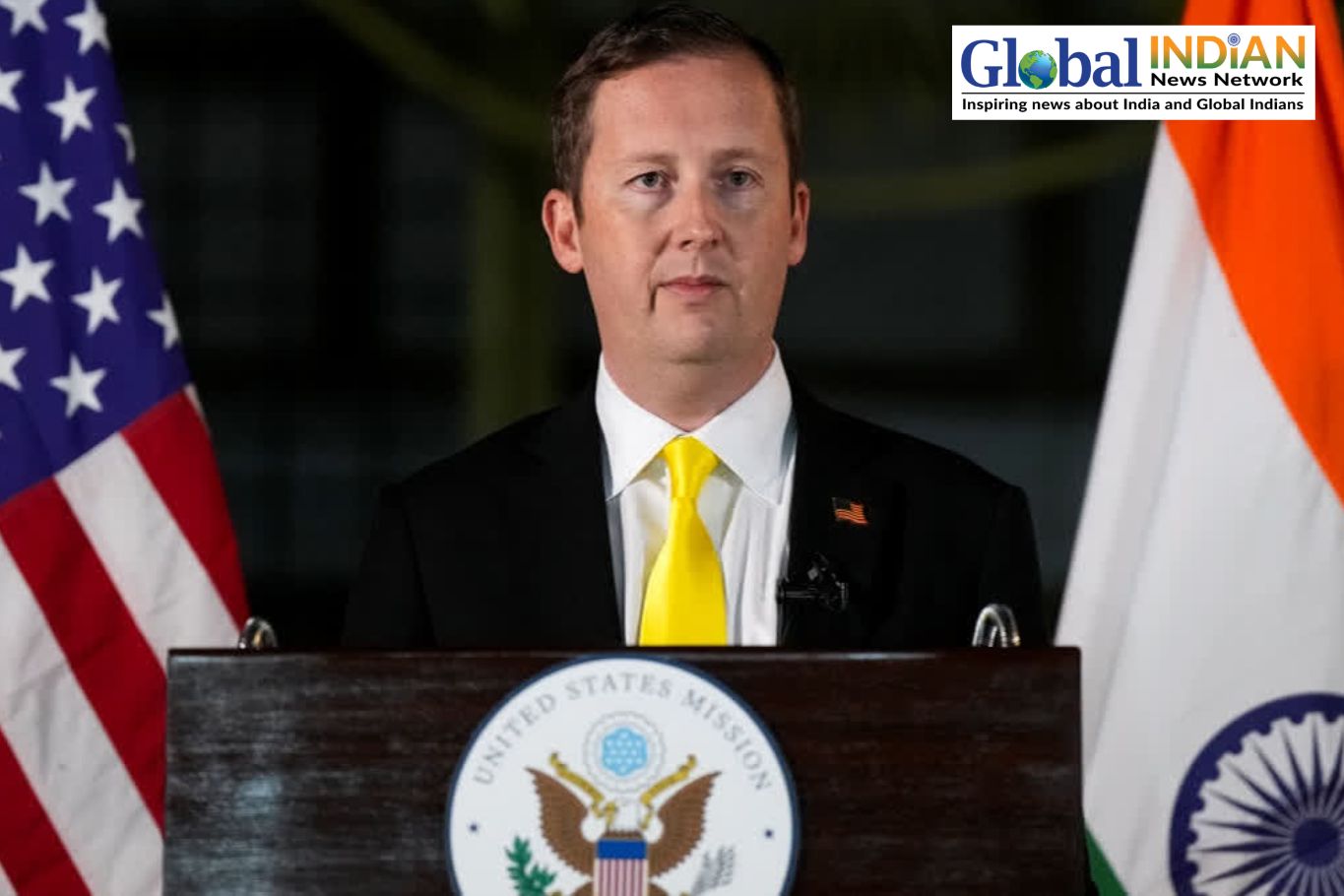
Diplomatic progress continues despite these challenges. US Ambassador to India Sergio Gor said, “The final 1% is left to resolve in the India-US trade deal,” indicating that discussions are in their concluding phase. On the Indian side, Commerce and Industry Minister Piyush Goyal noted that most issues have already been settled, and negotiators are now focused on final adjustments before an announcement.
Recent rounds of talks in New Delhi covered a wide range of areas, including trade in goods, customs procedures, non-tariff barriers, trade facilitation, and economic security cooperation. Officials from both countries described the discussions as constructive, with steady progress toward a phased agreement that could serve as the foundation for a long-term bilateral trade framework.
At the same time, additional scrutiny under US trade law concerning imports linked to labor standards has added complexity to the negotiations, potentially influencing both timing and final outcomes.
Despite these challenges, both countries continue to emphasize their commitment to reaching a mutually beneficial deal. If finalized, the interim agreement is expected to strengthen economic ties and pave the way for deeper cooperation between the world’s two largest democracies.