 Strong bipartisan backing for deeper India-US relations emerged as lawmakers, senior officials, diplomats, and community leaders gathered at a major Capitol Hill advocacy event. The discussions highlighted expanding cooperation between the two democracies across trade, technology, defence, immigration policy, and Indo-Pacific security, while also addressing concerns over rising prejudice targeting Indian and Hindu communities in the United States.
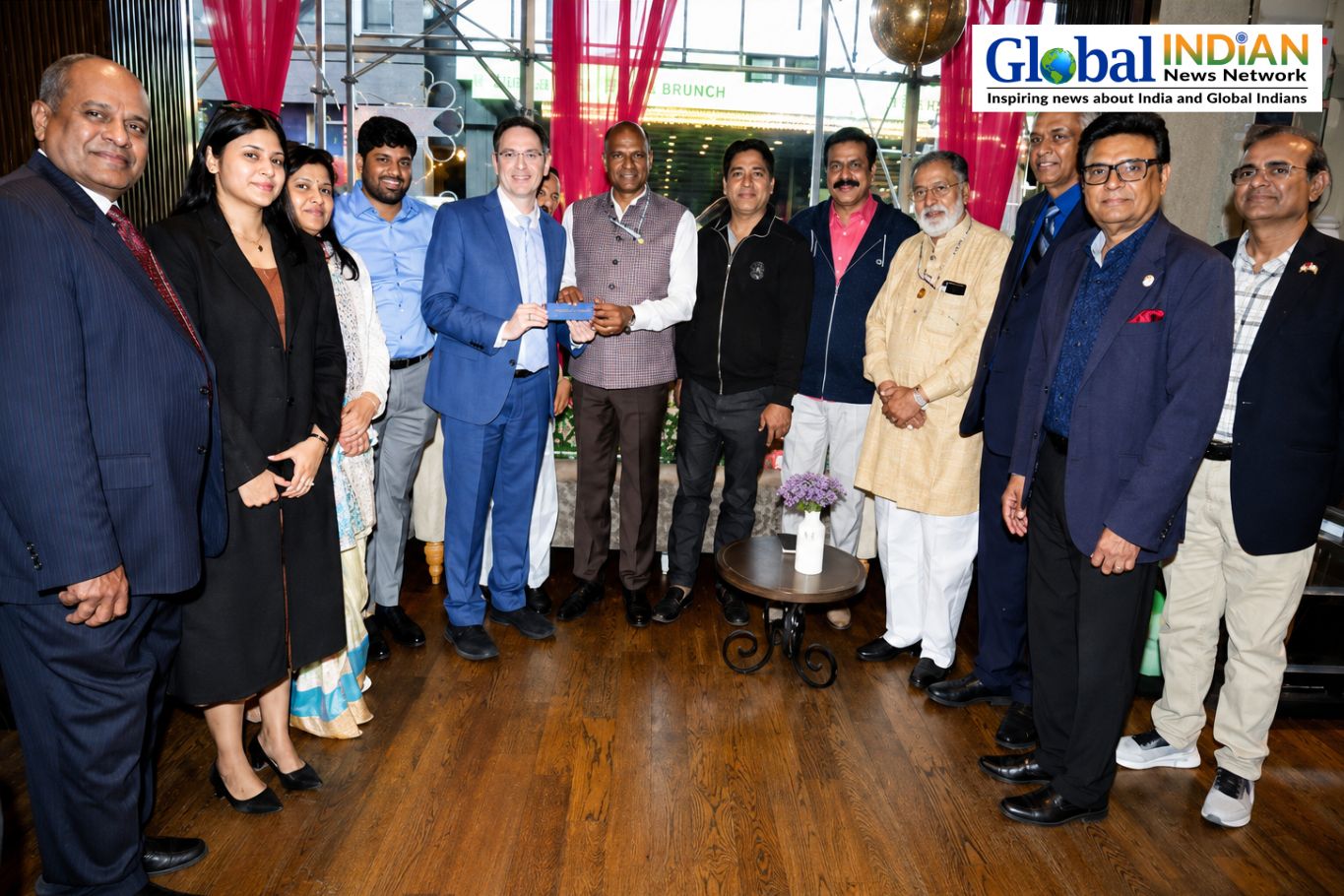
The event, organised by the Foundation for India and Indian Diaspora Studies, brought together more than 150 delegates from across 25 US states for meetings with members of Congress and Senate offices. Participants stressed the importance of strengthening bilateral ties at a time of shifting global dynamics and increasing strategic competition in the Indo-Pacific region.
Several US lawmakers underscored the significance of the Indian-American community, describing it as one of the most successful immigrant groups in the country. Senator Roger Marshall of Kansas highlighted their impact in fields such as business, healthcare, and innovation, stating that Indian Americans demonstrate the success of legal immigration in the United States. He also emphasized India’s rapid economic rise, noting its strong GDP growth and its role as a key partner in the Indo-Pacific alongside other strategic allies.
Congressman Sanford Bishop of Georgia pointed to the historical and cultural links between the two nations, referencing the influence of Mahatma Gandhi’s philosophy on the American civil rights movement. He called for continued access to skilled worker and student visas and urged closer cooperation in addressing challenges related to China, supply chain resilience, and counterterrorism efforts. He also stressed the need to confront discrimination, including rising anti-Hindu sentiment.
Other lawmakers, including representatives from Virginia, California, Michigan, and Pennsylvania, echoed similar views. They described India as an essential partner in ensuring a free and open Indo-Pacific, while calling for modernization of the US immigration system, reduction of visa backlogs, and expansion of opportunities for global talent, particularly from India.
Congressman James Walkinshaw and Congressman Bill Huizenga emphasized progress in ongoing trade negotiations and expressed optimism about reaching a comprehensive agreement aimed at strengthening economic ties. Lawmakers noted that current discussions are nearing a critical stage, reflecting growing momentum in bilateral economic cooperation.
Concerns about prejudice were also raised by Congressman Raja Krishnamoorthi, who warned of increasing anti-Indian and anti-Hindu rhetoric and encouraged greater political participation from Indian Americans. He urged the community to seek representation in public office, stressing the importance of having a voice in policymaking decisions.
US administration officials reiterated the strategic importance of India, with Deputy Assistant Secretary of State Bethany Poulos Morrison describing the relationship as central to future global partnerships. She highlighted expanding cooperation in artificial intelligence, semiconductors, critical minerals, defence frameworks, and energy trade, with bilateral trade reaching approximately $149 billion in 2025.
India’s Deputy Chief of Mission Namgya C. Khampa described the partnership as one of the defining relationships of the 21st century, noting steady progress in trade, energy, and technology cooperation. She also acknowledged the Indian diaspora as a vital link strengthening bilateral engagement.
Speakers collectively emphasized that the India-US partnership is increasingly driven by shared strategic interests, economic interdependence, and people-to-people ties, particularly through the growing influence of the Indian-American community, which now numbers over five million people in the United States.