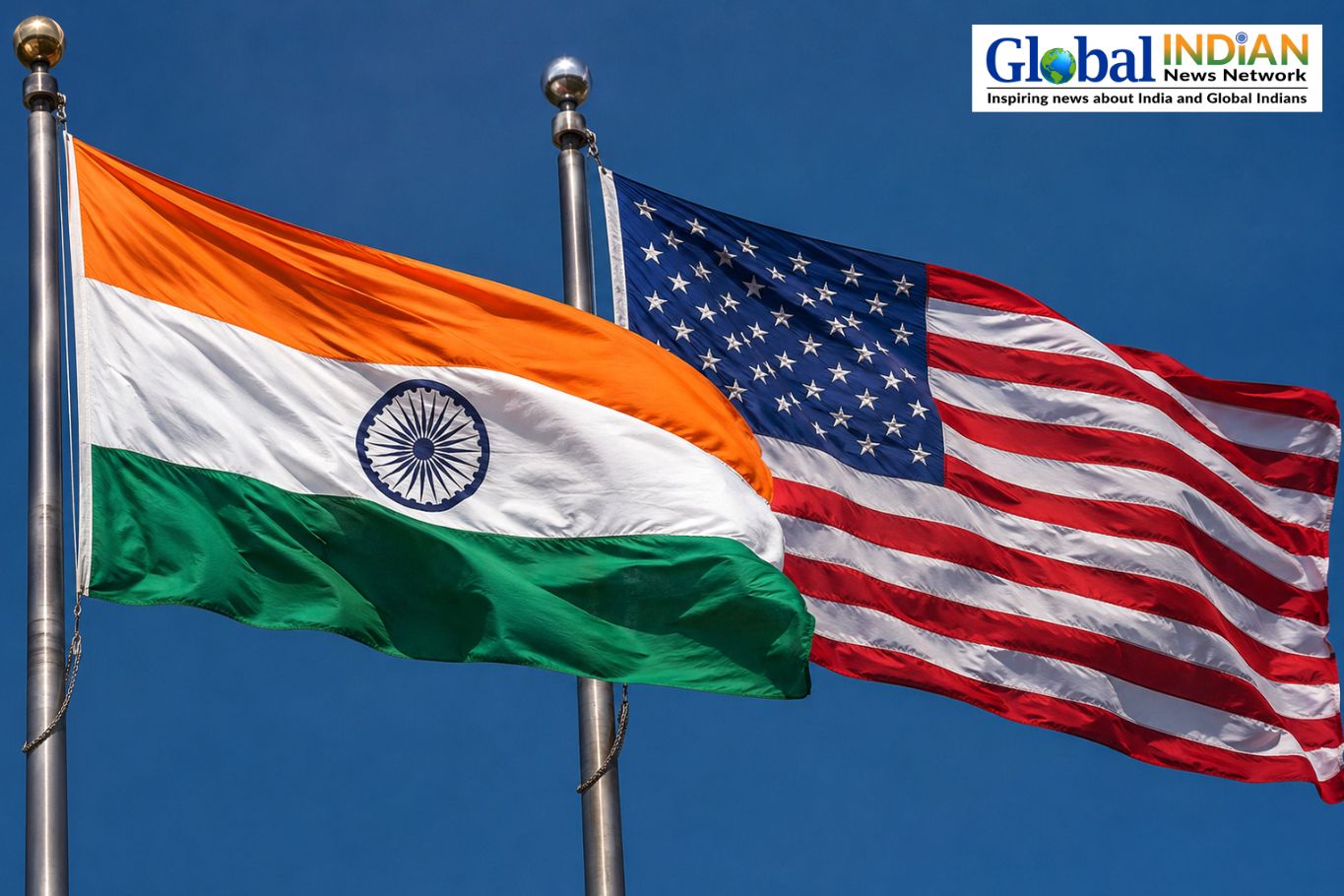
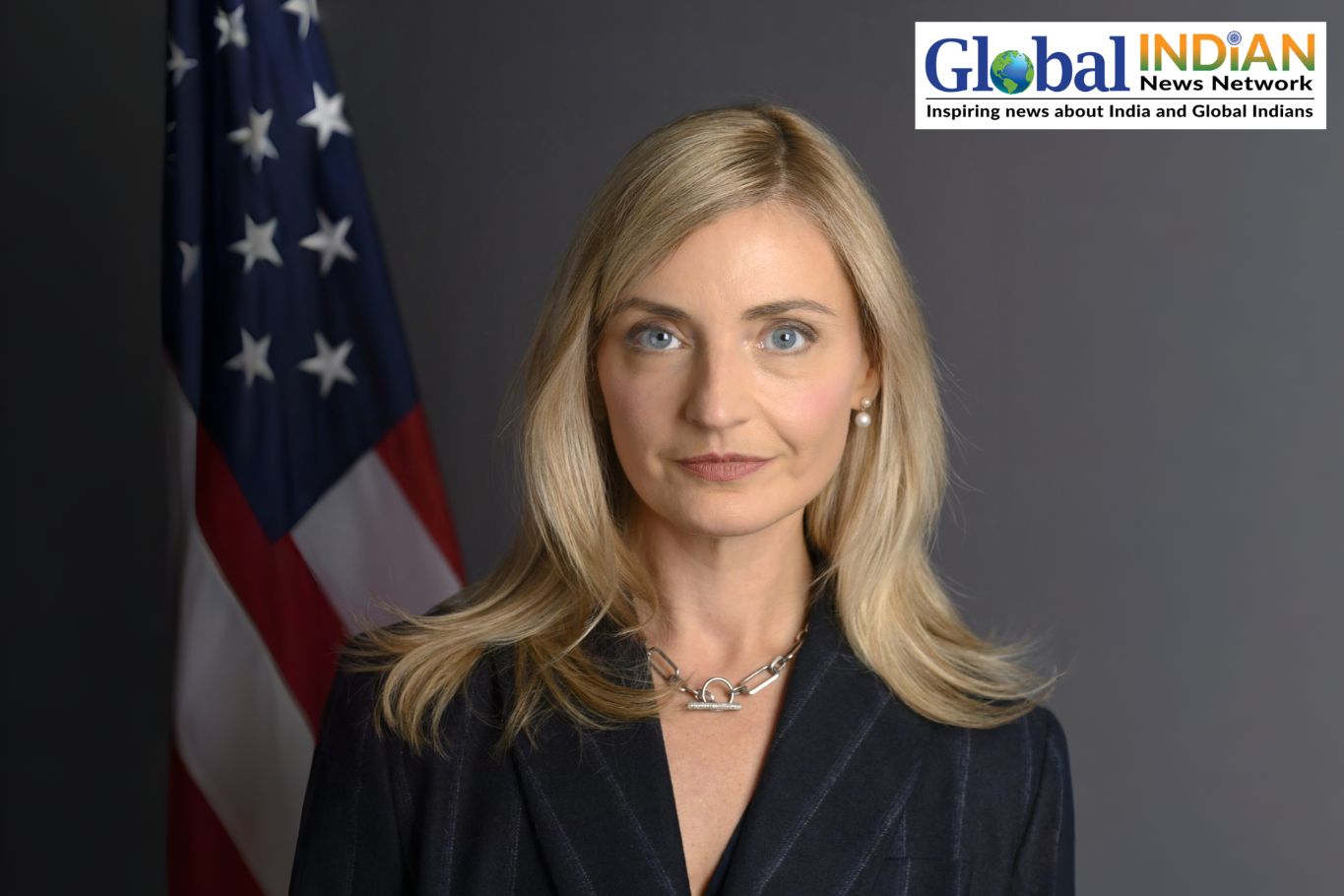
 India has emerged as a major focus area in the United States’ public diplomacy strategy, according to Sarah Rogers, the US Under Secretary of State for Public Diplomacy and nominee to lead the US Agency for Global Media (USAGM). Rogers said Washington is placing greater importance on engaging audiences in Asia, particularly as countries compete against expanding international information campaigns.
During testimony before the Senate Foreign Relations Committee on July 31, Rogers highlighted Asia as a key priority for USAGM. She explained that the agency aims to strengthen its communication strategies to address growing influence efforts by China and other governments through modern media platforms.
Rogers’ remarks follow earlier comments where she described India as a significant technology market and emphasized the increasing partnership between American and Indian businesses, entrepreneurs, and innovators. She pointed to initiatives such as the TRUST Initiative and cooperation through the Quad framework as examples of expanding collaboration between the two countries.
She also noted that India and Japan are among the countries where online platforms, including X (formerly Twitter), have strong public engagement. Rogers said she has focused much of her online communication efforts on regions where social media plays an important role in public discussions, adding that she has shared substantial content related to India and Japan.
However, Rogers clarified that social media represents only a small portion of broader public diplomacy efforts. She described online outreach as one element within a larger strategy that includes multiple forms of communication and engagement.
If confirmed as the head of USAGM, Rogers said she plans to transform the agency’s approach by reducing dependence on traditional broadcasting formats and expanding the use of newer digital tools. These could include short videos, podcasts, and online discussion platforms designed to connect more effectively with global audiences, including diaspora communities.
USAGM currently oversees several US-funded international media organizations, including Voice of America, Radio Free Europe/Radio Liberty, and Radio Free Asia. Rogers said traditional radio and television services would continue in regions where they remain effective, while digital platforms would receive greater attention in areas with changing media habits.
Beyond Asia, Rogers identified regions such as the Middle East, Iran, Afghanistan, and Cuba as additional priorities due to limited access to independent information in those areas. She said improving audience reach, strengthening research capabilities, and modernizing agency operations would be among her initial goals if appointed.
The focus on digital diplomacy comes as competition between the United States and China increasingly extends beyond trade, technology, and security issues. Information platforms and online communication channels have become important tools in shaping global narratives.
Through expanded digital engagement, Washington aims to build stronger connections with international audiences and ensure its perspectives reach communities where competing information campaigns are becoming more influential.