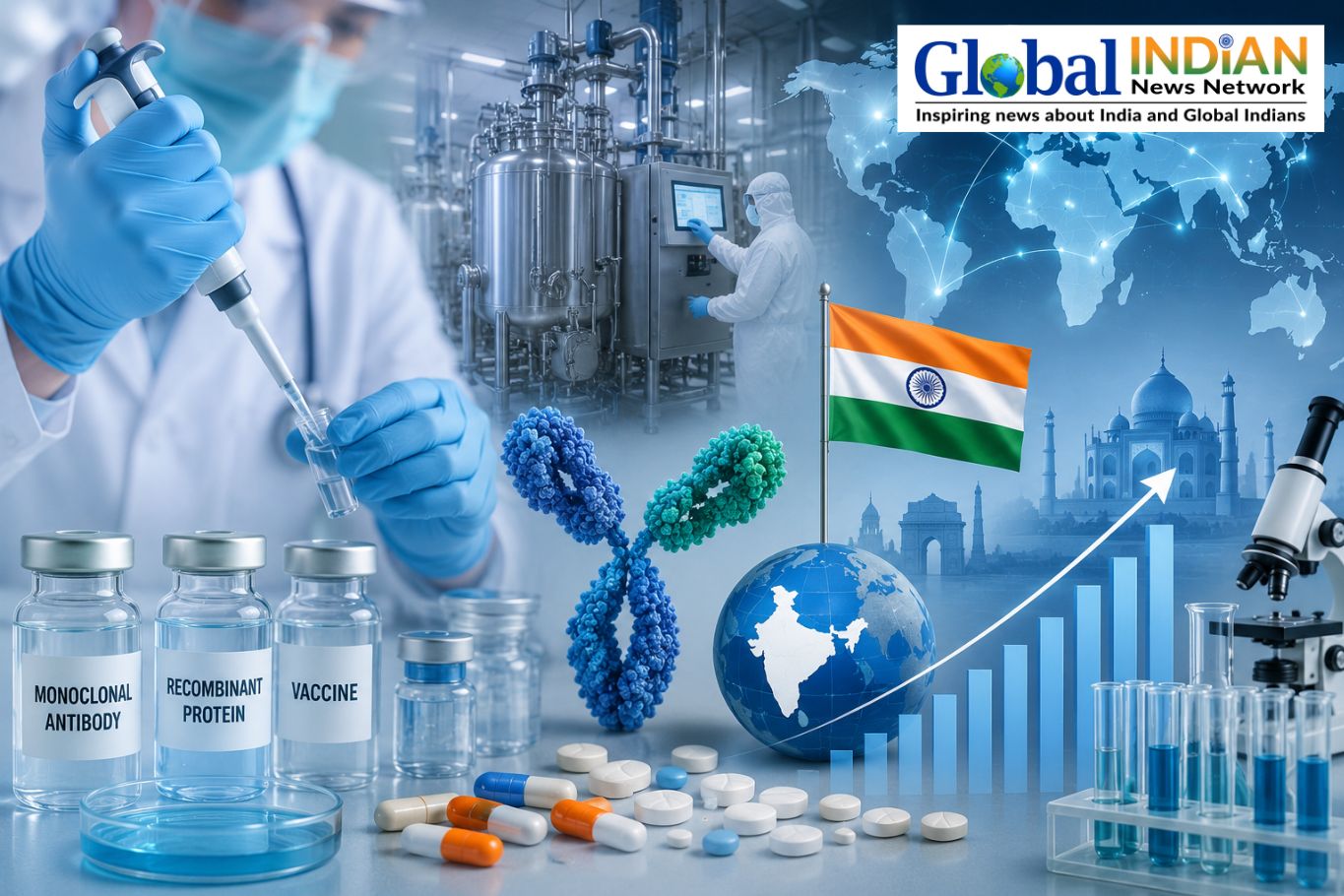
 India is intensifying its efforts to establish itself as a major force in the global biopharmaceutical industry, leveraging policy support, scientific innovation, and manufacturing expertise to strengthen its position in the evolving healthcare landscape. Government leaders and industry stakeholders believe the country is well-equipped to play a defining role in the future of advanced medicine.
Speaking at the 2nd Pharma Summit & Awards 2026 organized by ASSOCHAM in New Delhi, Union Minister of State for Chemicals and Fertilizers Anupriya Patel emphasized the growing significance of biopharmaceuticals in transforming healthcare delivery worldwide. She noted that biologics are expected to become increasingly central to modern treatment approaches, prompting India to expand its capabilities in this high-value segment while continuing to provide affordable generic medicines to patients around the globe.
A key pillar of the government’s strategy is the Biopharma SHAKTI initiative, which outlines an ambitious vision to facilitate the development and introduction of 100 biologic products by 2047. The initiative aligns with the broader national objectives of creating a developed and healthier India by fostering innovation and strengthening the country’s scientific infrastructure.
Authorities have introduced multiple policy measures and funding mechanisms aimed at supporting the entire pharmaceutical value chain. These efforts are designed to encourage investment in research, improve manufacturing capacity, and accelerate the commercialization of advanced therapies. As biologics are projected to represent nearly 40 percent of prescription medications worldwide by 2031, India is preparing to capture a larger share of this rapidly expanding market.
The statement highlighted the role of programs such as the PRIP Scheme and the National Biopharma Mission in cultivating a supportive environment for scientific advancement and industrial growth. Additional support is being provided through Biotechnology Industry Research Assistance Council initiatives, including the Biotech Ignition Grant, the Small Business Innovation Research Initiative, and the Biotechnology Industry Partnership Programme.
These interventions are enabling start-ups, academic researchers, and established pharmaceutical companies to pursue the development of innovative biologic treatments and next-generation therapeutic solutions. By bridging the gap between laboratory research and commercial application, these initiatives are strengthening India’s biopharmaceutical ecosystem.
During the summit, Department of Pharmaceuticals Secretary Manoj Joshi stressed the importance of accelerating drug discovery efforts, reinforcing supply chain resilience, and building expertise in emerging technologies. He noted that enhancing clinical research infrastructure and cultivating a highly skilled workforce will be critical to India’s long-term success.
The event also celebrated excellence within the industry through the presentation of Pharma Excellence Awards, recognizing organizations and individuals whose contributions continue to drive innovation and growth across India’s pharmaceutical sector. Together, these initiatives reflect India’s determination to become a global leader in biopharmaceutical development and healthcare innovation.