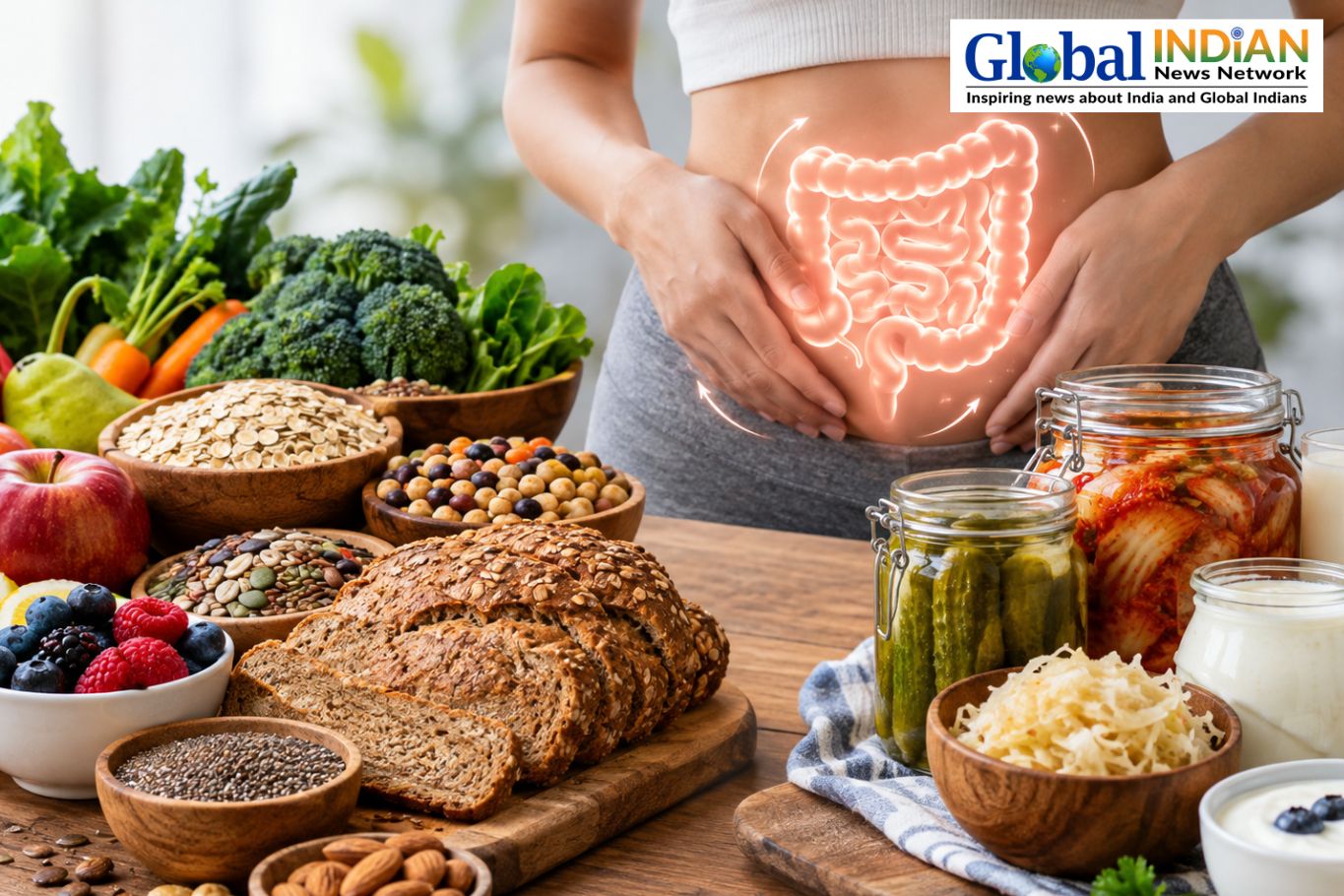
Adding more fiber-rich and fermented foods to everyday meals may support digestive health and contribute to overall well-being, according to nutrition experts. These foods help maintain the gut microbiome, a community of bacteria, fungi, viruses and other microorganisms living primarily in the large intestine.
The gut microbiome plays several important roles in the body, including supporting immune function, maintaining intestinal health and helping regulate inflammation. It also communicates with the brain through the gut-brain axis. Research has linked changes in gut microorganisms with mental health conditions such as anxiety and depression, although scientists have not established that these changes directly cause such disorders.
Diet is one factor that influences the composition of the gut microbiome. A balanced eating pattern that limits highly processed foods and includes adequate fiber and fermented products can help support a healthier gut environment.
Fiber is particularly important for digestion because it adds bulk to stool, softens it and helps maintain regular bowel movements. A fiber-rich diet may also help manage body weight, lower LDL, or “bad,” cholesterol and reduce the risk of conditions such as heart disease, type 2 diabetes and certain cancers.
Adults can estimate their daily fiber needs using a guideline of approximately 14 grams for every 1,000 calories consumed. Fruits, vegetables, beans, lentils, nuts, seeds and whole grains are valuable sources. Experts recommend increasing fiber intake gradually and drinking plenty of water to reduce the likelihood of gas, bloating, diarrhea and stomach cramps.
Fermented foods offer another way to support gut health. Products such as yogurt containing live and active cultures, kimchi, sauerkraut, kombucha and certain pickles may provide beneficial microorganisms. Fermentation can also produce compounds and nutrients that contribute to the food’s nutritional value.
Some research suggests that probiotics may help ease symptoms associated with digestive conditions, including irritable bowel syndrome and inflammatory bowel disease. However, results vary, and not every fermented food contains the same types or amounts of beneficial bacteria.
Although fiber and probiotic supplements are available, experts generally recommend obtaining these nutrients from food whenever possible. Supplements may be an option for people who struggle to meet their nutritional needs through diet, but they should not replace a varied eating pattern.
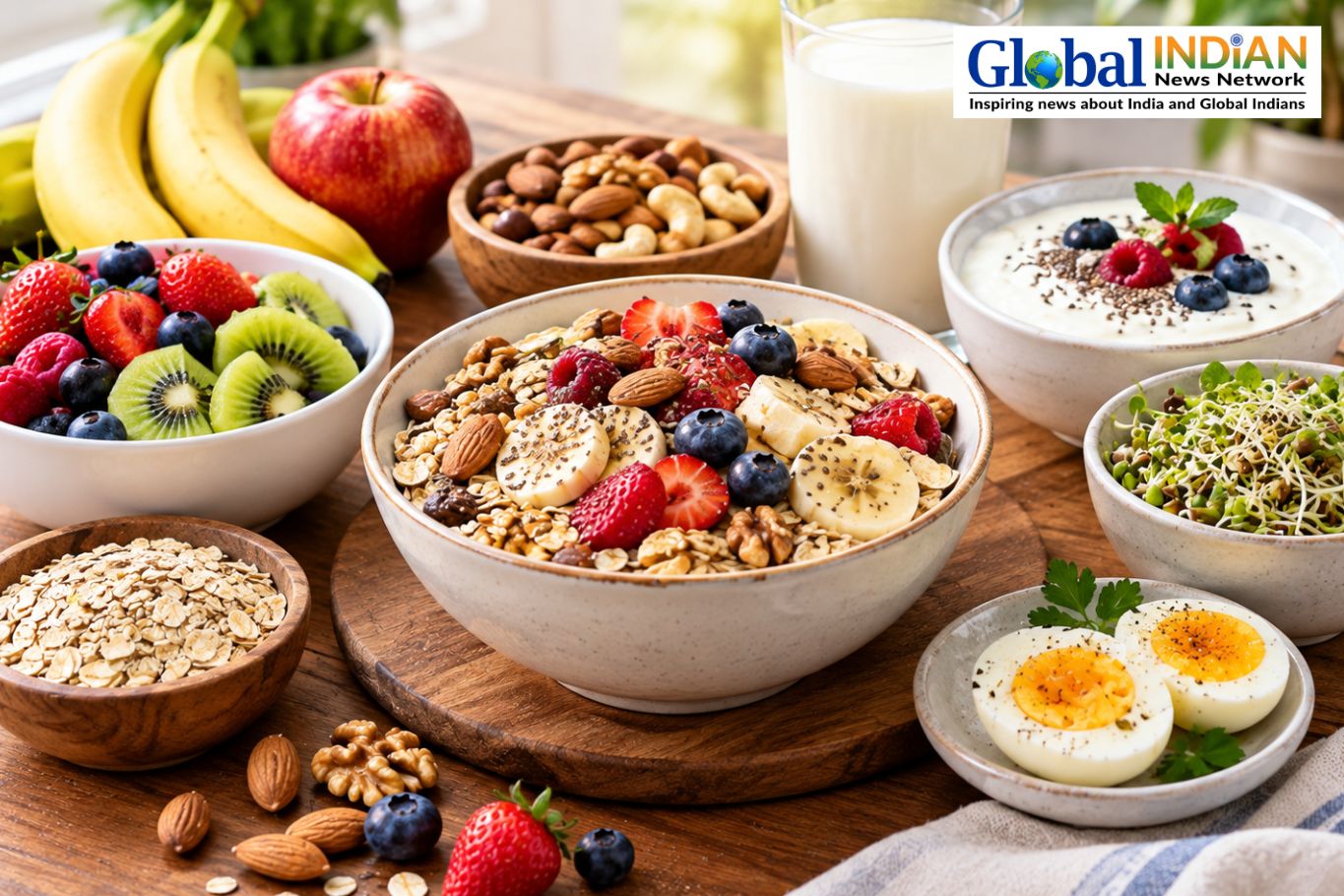
Small changes can make these foods easier to incorporate into daily meals. Choosing whole-grain bread, adding beans or vegetables to lunch and including yogurt, fruit, nuts or seeds in breakfast can help increase fiber and fermented food consumption.
A diverse, balanced diet remains an important foundation for digestive health, while research into the broader effects of the gut microbiome continues.