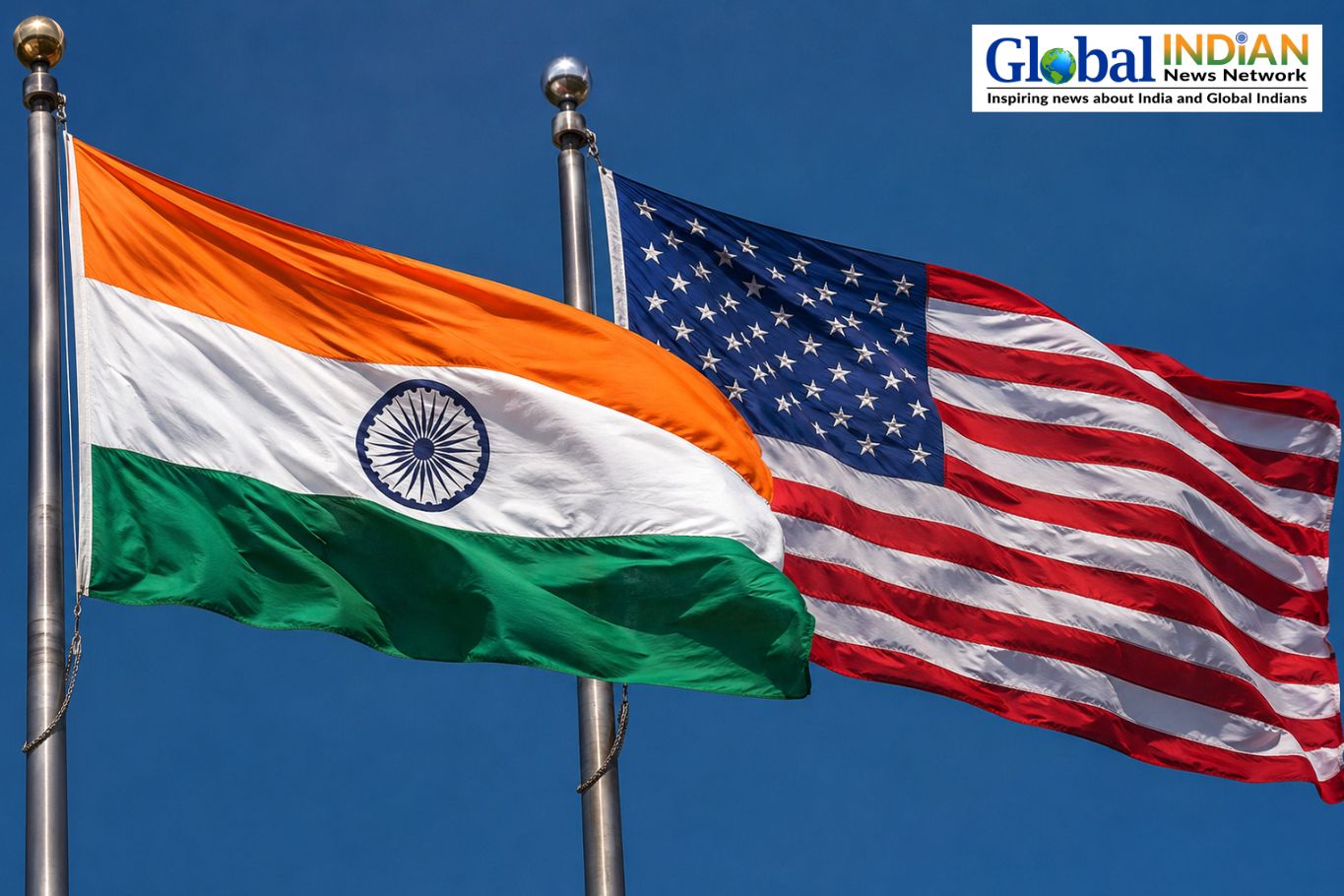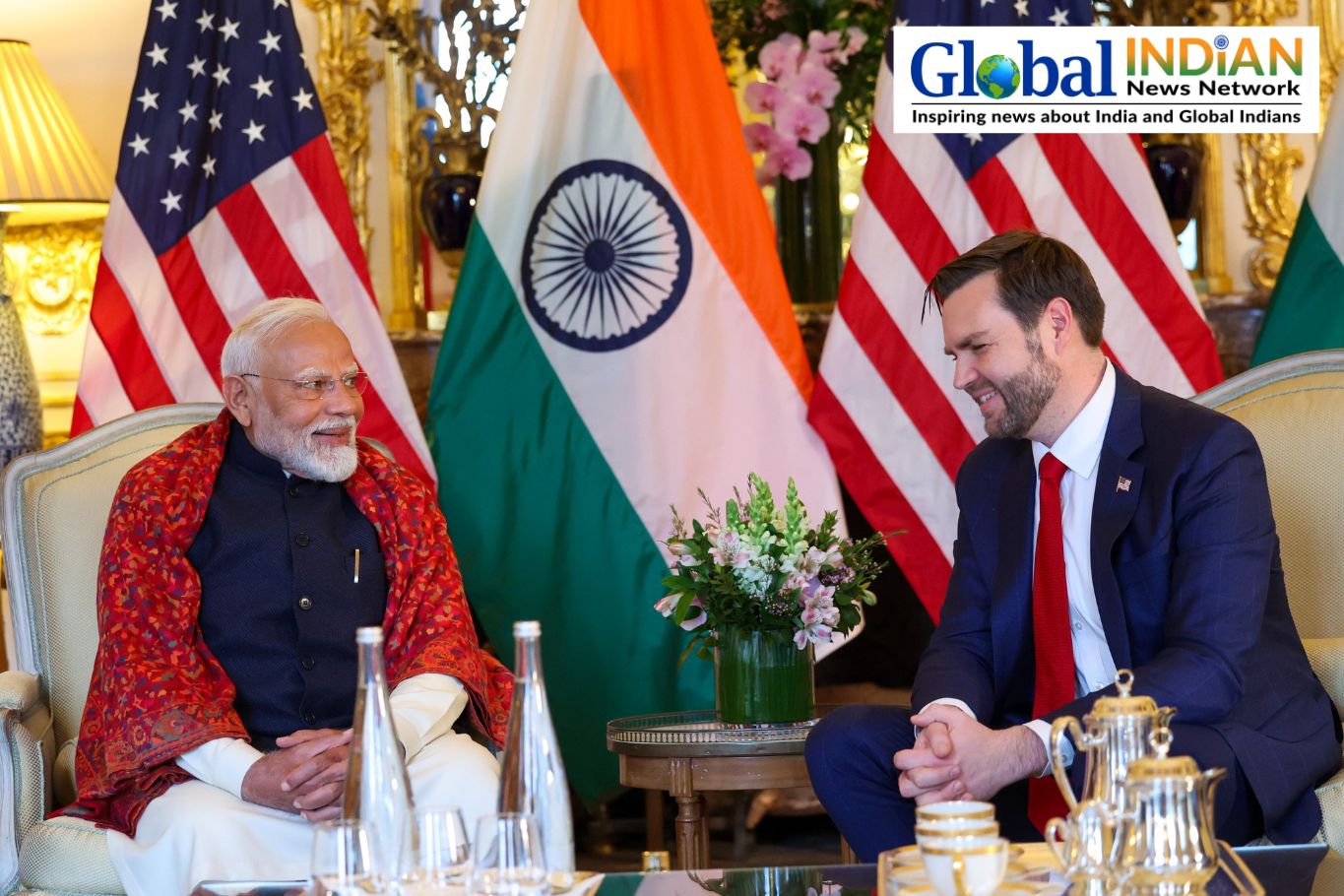
Prime Minister Narendra Modi and US Vice President JD Vance held a phone conversation on Saturday, Aug. 8, focusing on opportunities to further expand the Comprehensive Global Strategic Partnership between India and the United States.
During the call, Modi also congratulated Vance and Second Lady Usha Vance on the birth of their son. The prime minister extended his greetings and best wishes to the family while discussing the broader trajectory of bilateral relations.
According to the Prime Minister’s Office, the two leaders highlighted the continued pace of high-level engagement between New Delhi and Washington. They reaffirmed their intention to strengthen cooperation across several strategic sectors, including trade, defense, critical and emerging technologies, energy security and critical minerals.
The discussion also covered regional and international developments of shared interest. The exchange comes at a time when both countries are seeking to maintain momentum across multiple areas of their partnership, particularly as economic and security priorities become increasingly interconnected.
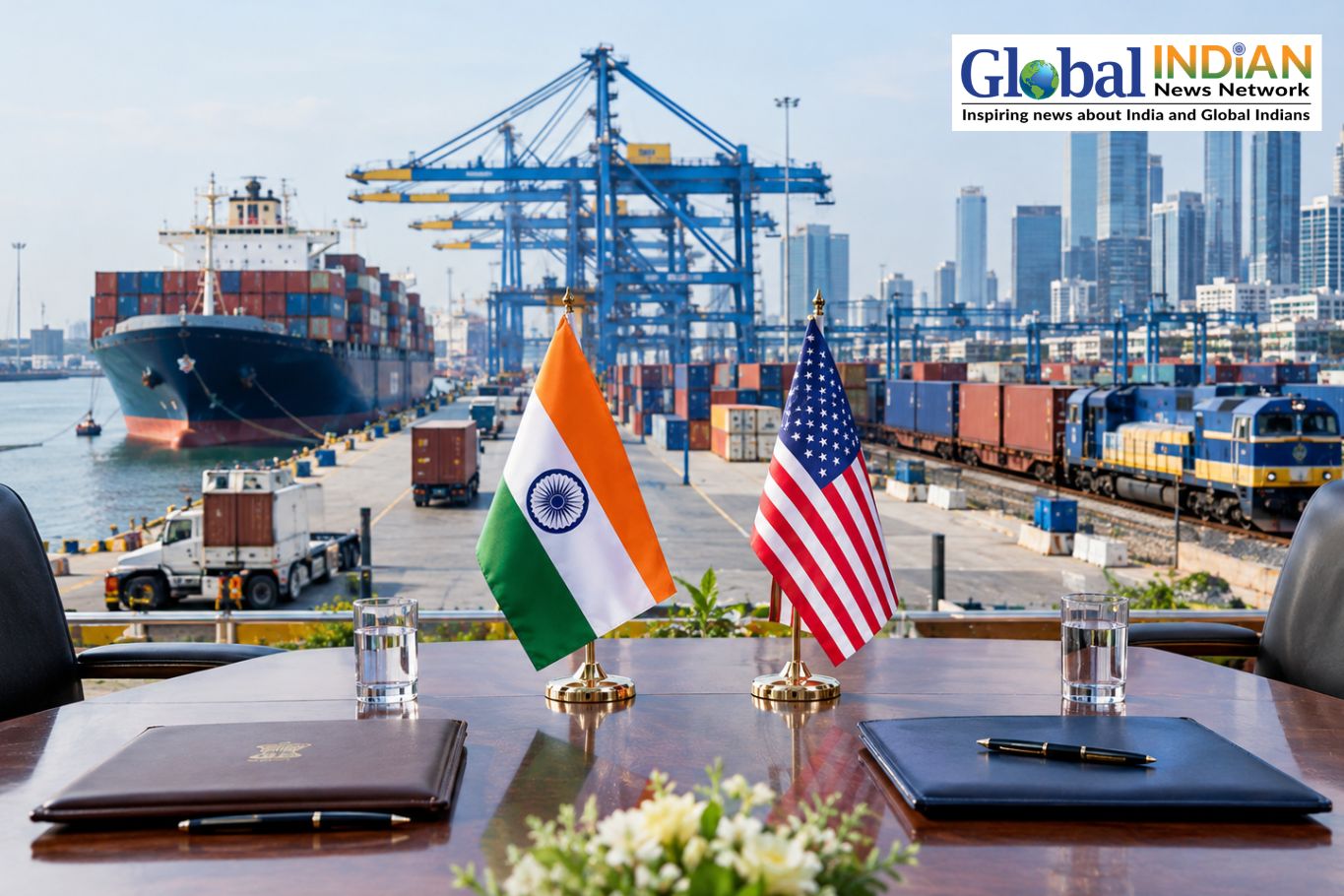
Trade remains an important part of the bilateral agenda. In July, US Secretary of State Marco Rubio and India’s External Affairs Minister S. Jaishankar discussed efforts to move forward with an interim bilateral trade agreement. Washington has previously indicated that negotiations on such an arrangement were nearing completion.
Rubio and Jaishankar met in Manila on the sidelines of meetings involving ASEAN foreign ministers. Their discussions included developments in the Middle East and Indo-Pacific, alongside ongoing efforts to deepen defense cooperation between the two countries.
The US State Department said the two officials also examined steps toward completing important defense agreements. These efforts follow commitments made by President Donald Trump and Modi during their earlier discussions on strengthening the security relationship between Washington and New Delhi.
The latest Modi-Vance conversation comes as India and the United States continue to broaden their strategic cooperation beyond traditional areas. Defense remains a central pillar, while technology, energy resilience and access to critical minerals are gaining increasing importance for both countries.
With senior officials on both sides maintaining regular contact, the latest call reflects efforts to keep bilateral engagement active and focused on practical outcomes. The two nations are expected to continue working across trade, defense and emerging technologies while responding to evolving regional and global challenges.