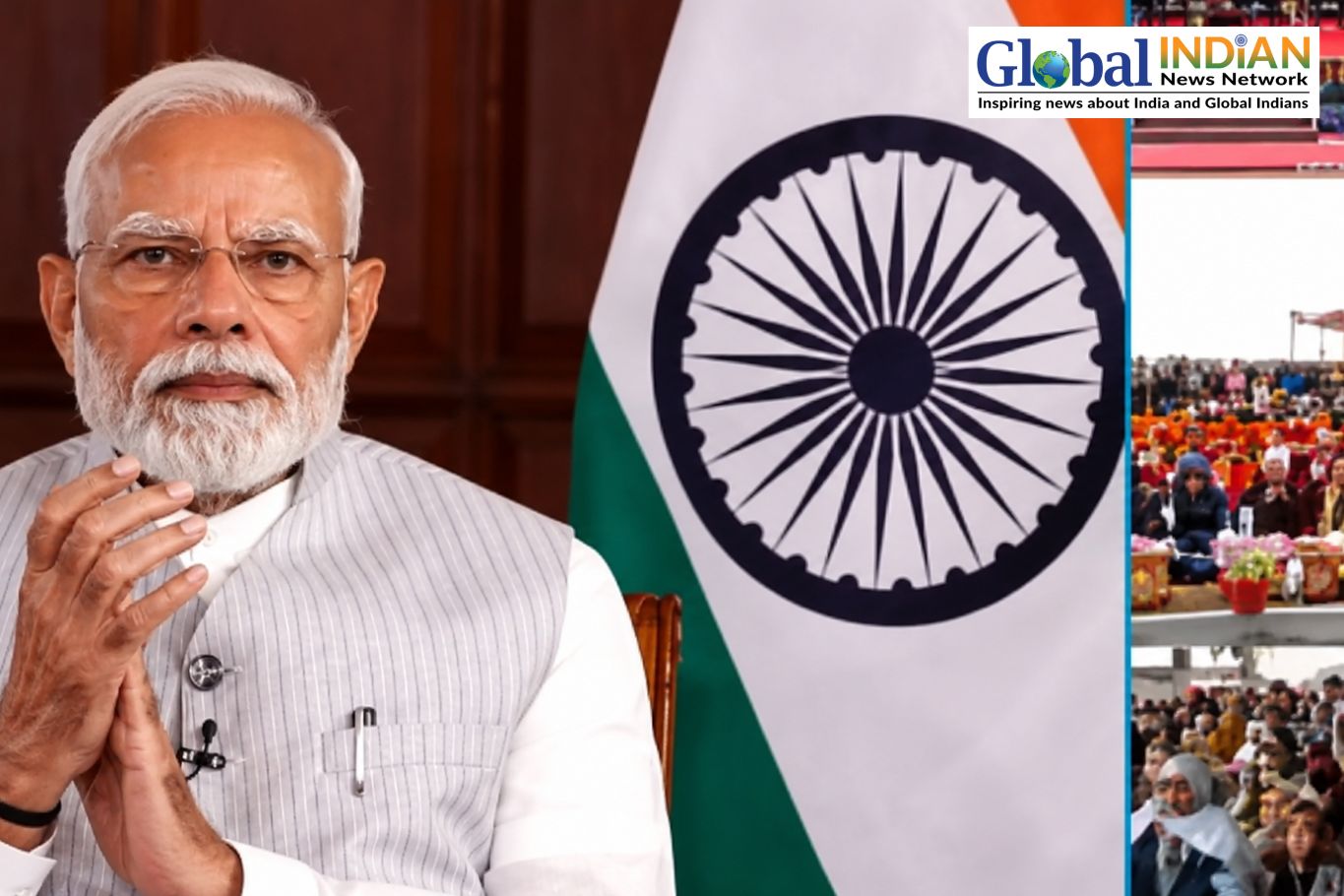
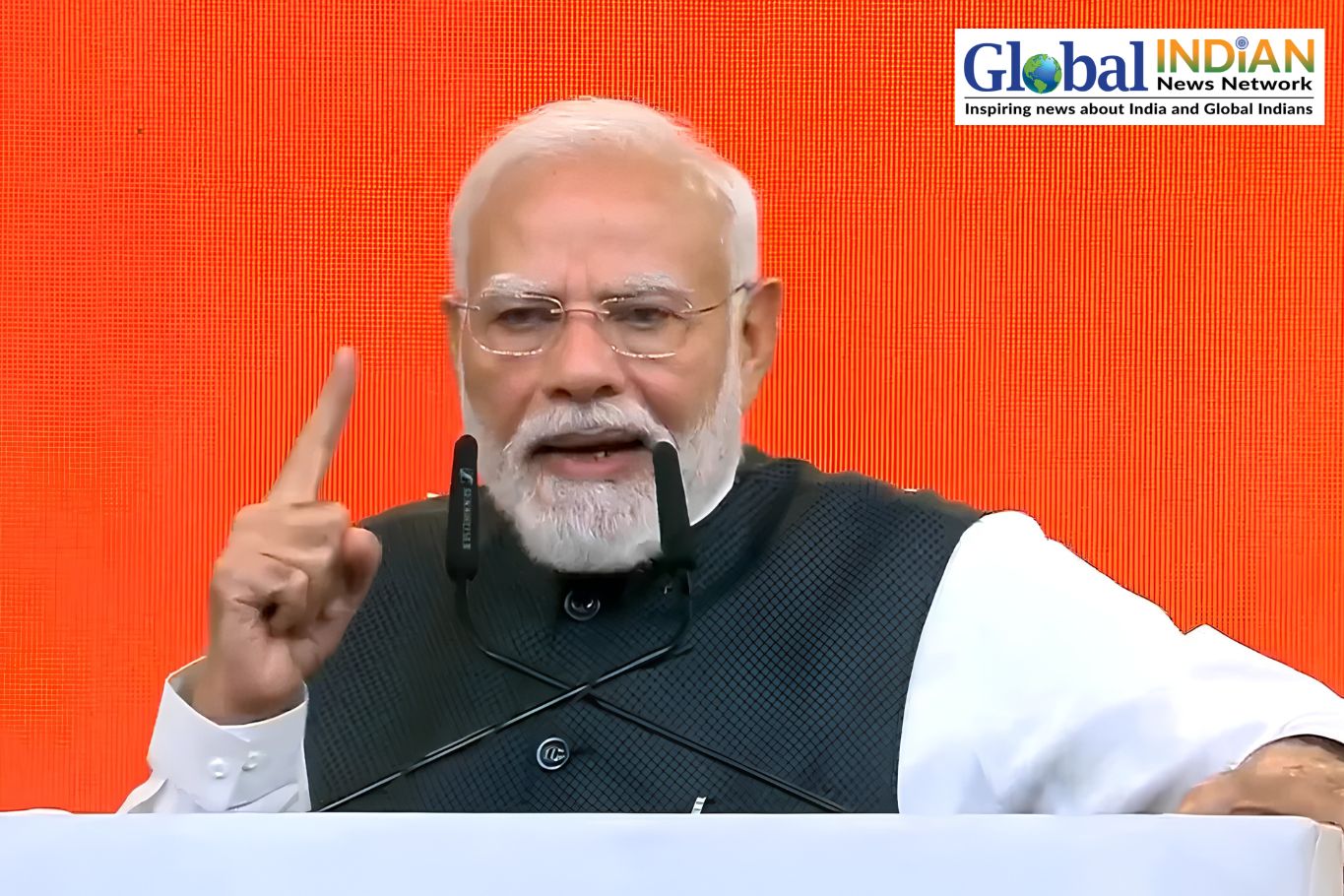
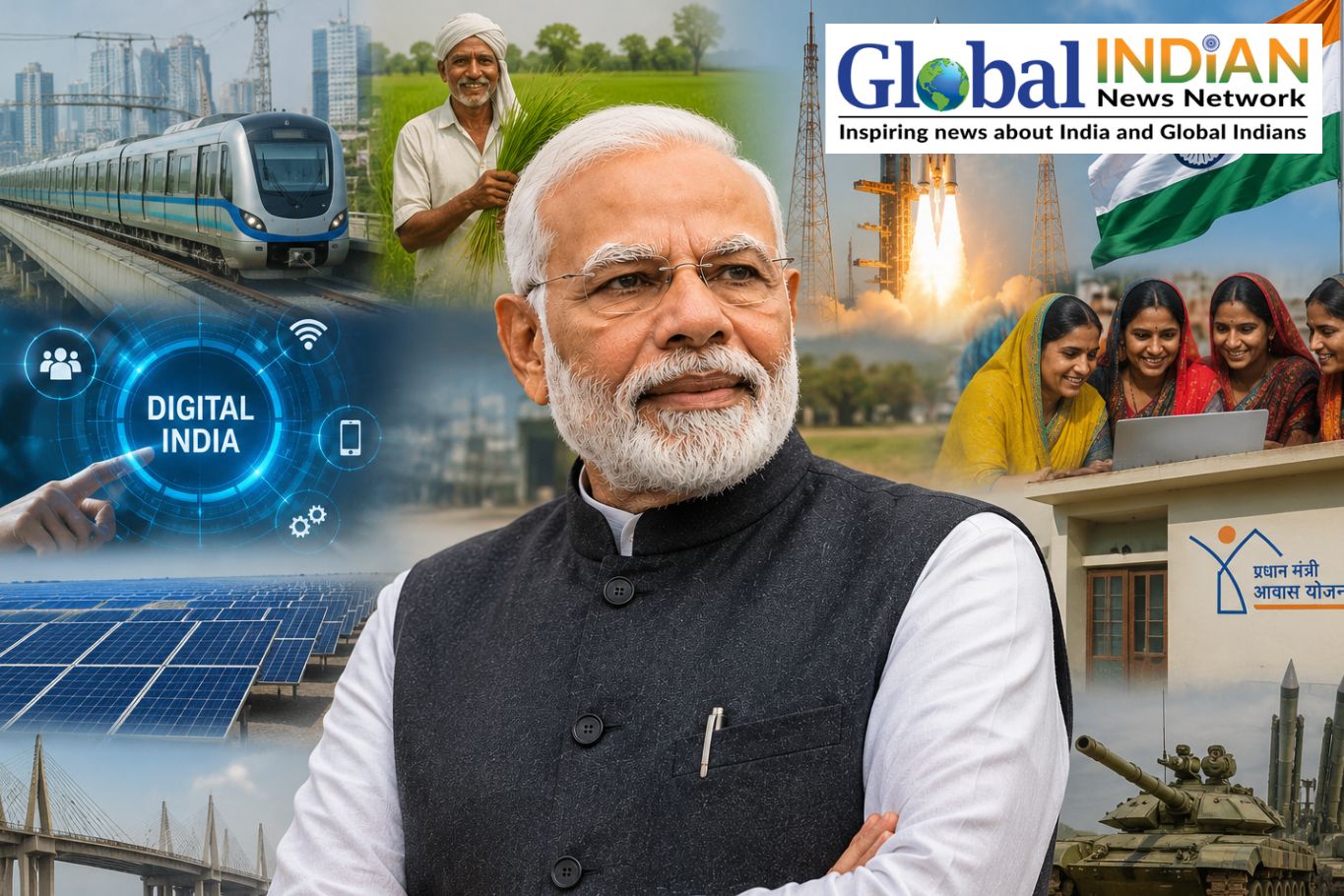
 Prime Minister Narendra Modi has completed 12 years in office, marking a significant political milestone that has drawn attention to the sweeping changes across India’s economic, infrastructural, and policy landscape during his tenure. He became the first non-Congress leader to serve two consecutive full-majority terms and later secure a third term, reinforcing his long-standing political influence.
Modi first assumed office on May 26, 2014, and has since completed 4,399 consecutive days as Prime Minister, surpassing the previous record held by Jawaharlal Nehru. His combined years as Gujarat Chief Minister and Prime Minister now extend beyond two decades in elected executive leadership.
Over this period, India transitioned from being categorized among the “Fragile Five” economies to becoming one of the world’s fastest-growing major economies. By 2025, India had risen to become the fourth-largest economy globally, with GDP crossing the $4 trillion mark. Policymakers have attributed this growth to structural reforms, improved fiscal management, and sustained domestic demand.
A major highlight of the Modi era has been the expansion of welfare delivery systems. The Direct Benefit Transfer mechanism was widely adopted, ensuring that subsidies and benefits reached citizens directly into bank accounts, improving transparency and reducing leakages. Financial inclusion and poverty reduction programs also expanded significantly during this period.
Infrastructure development became a central focus of governance. National highways expanded from around 91,000 kilometers in 2014 to nearly 150,000 kilometers by 2026. Metro rail networks expanded across major cities, airport capacity increased, and railway electrification advanced substantially, improving connectivity and logistics efficiency across the country.
The energy sector also witnessed transformation, with India’s installed capacity surpassing 530 gigawatts and renewable energy gaining a larger share of the energy mix. Solar and wind projects expanded under national initiatives aimed at achieving sustainability and climate goals.
Digital transformation became one of the defining features of this era. The Unified Payments Interface (UPI) revolutionized digital transactions, making cashless payments common across urban and rural areas alike. Alongside this, initiatives like Make in India boosted electronics manufacturing, mobile production, and attracted global investment in emerging sectors such as semiconductors.
Key policy decisions also shaped the political landscape. The abrogation of Article 370 in Jammu and Kashmir in 2019, the implementation of the Goods and Services Tax (GST), the construction of the Ram Mandir in Ayodhya, and the ban on instant triple talaq were among the most significant legislative and administrative actions during this period.
On national security, the government emphasized a more assertive approach, including surgical strikes and airstrikes in response to terrorism, alongside intensified operations against Naxal violence.
Overall, the 12-year tenure is seen as a period of major economic restructuring, technological expansion, and policy-driven governance that has significantly influenced India’s domestic development and global positioning.