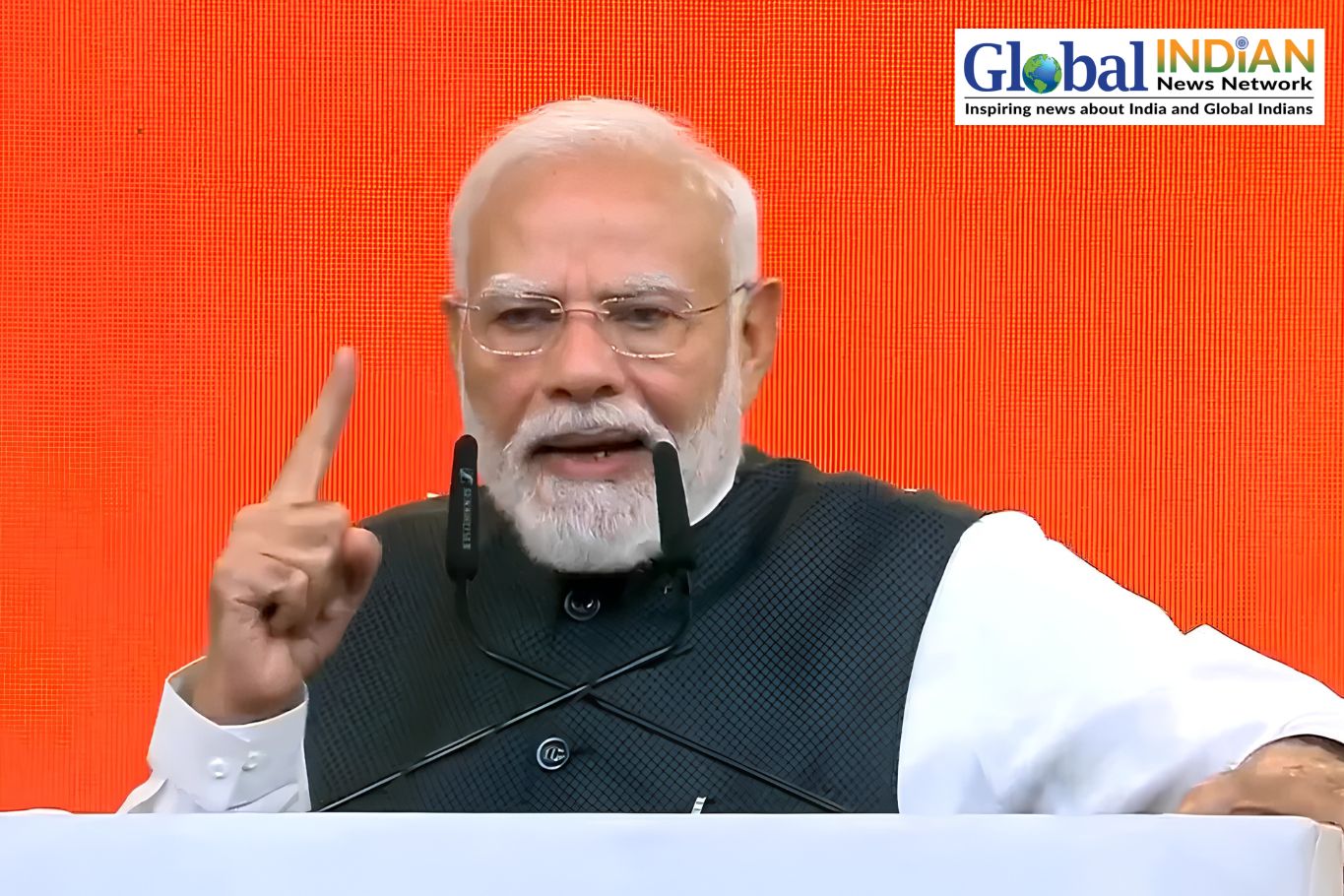
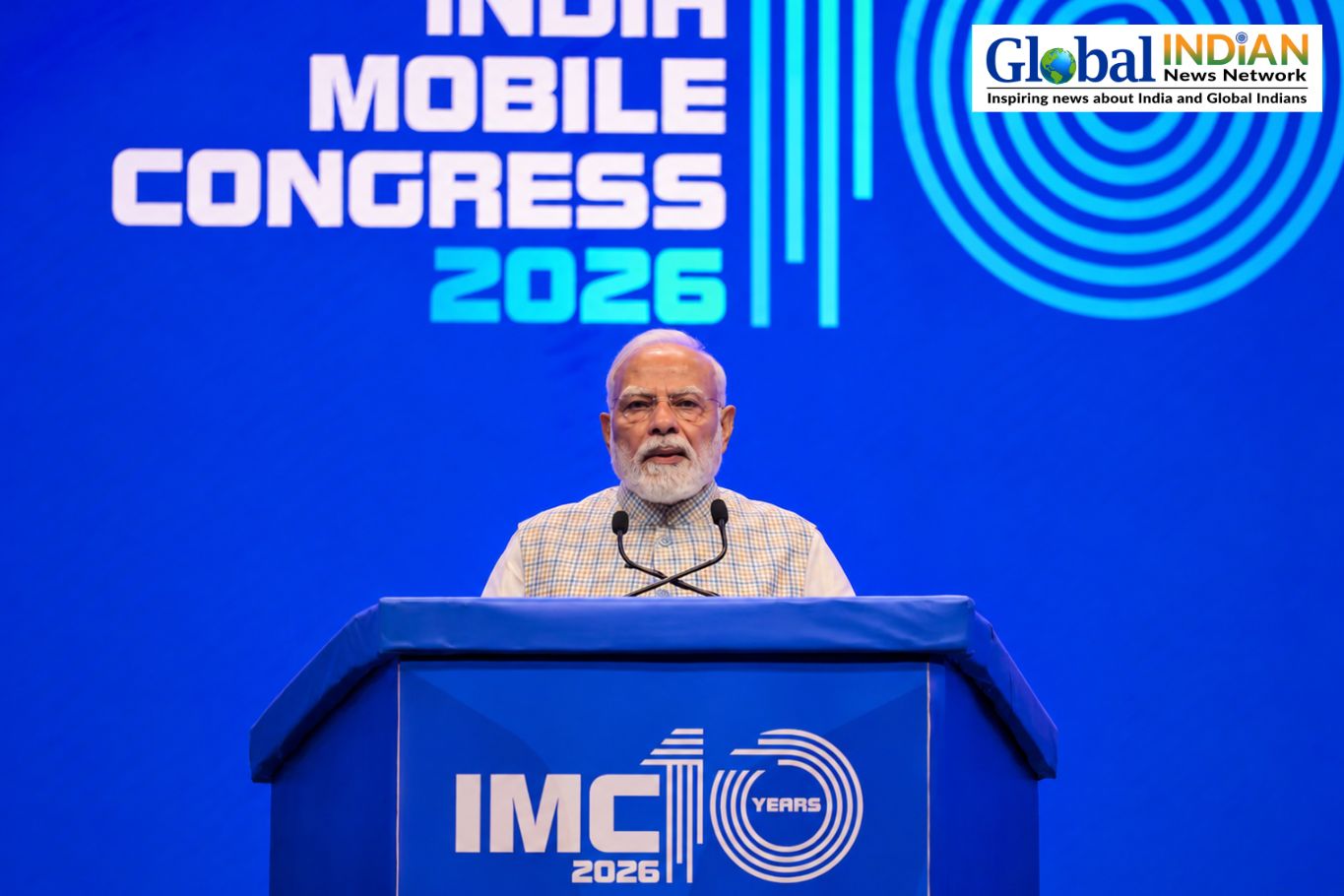
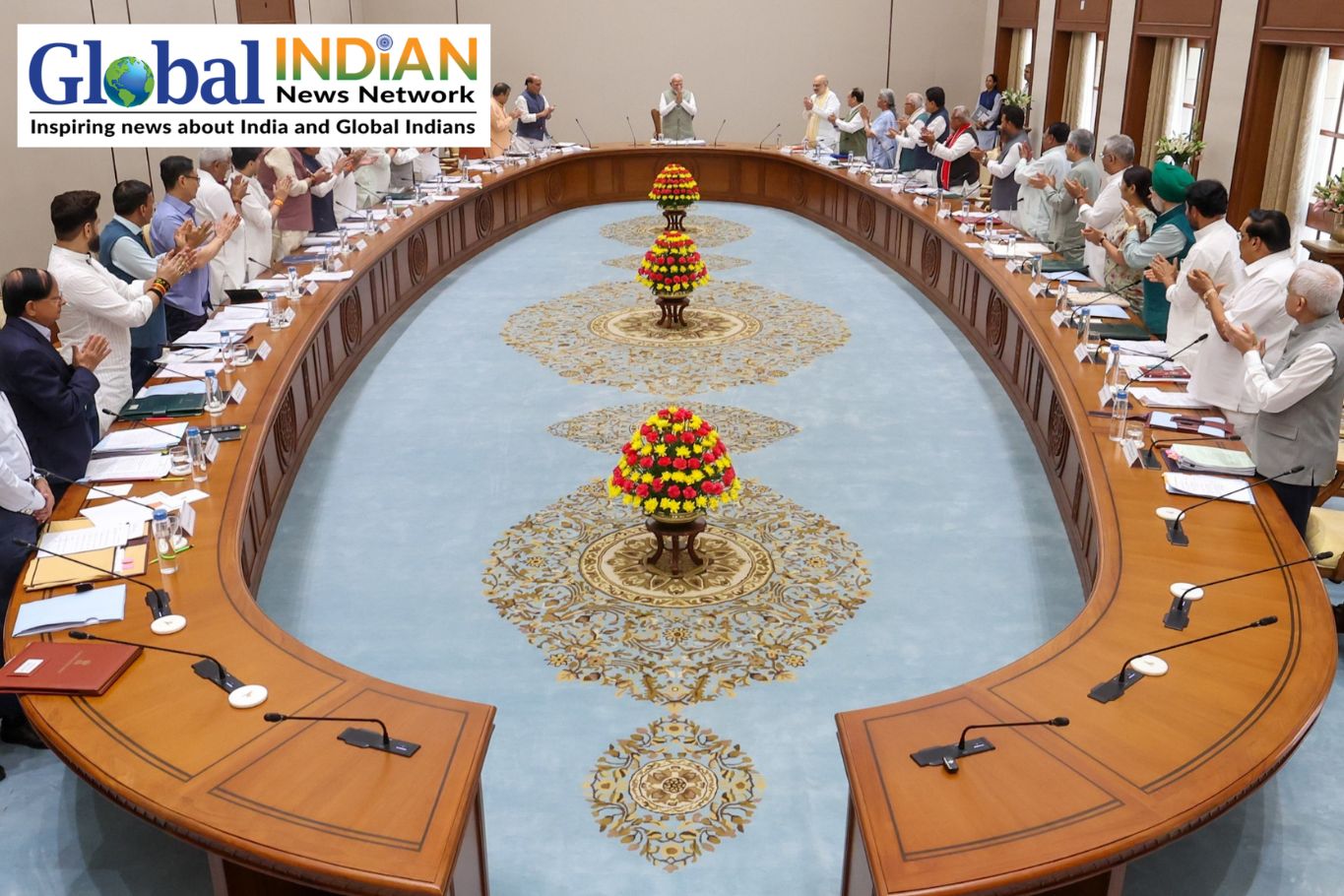
 The Union Cabinet on Wednesday formally congratulated Prime Minister Narendra Modi for becoming India’s longest-serving elected Prime Minister, surpassing the record of 4,398 consecutive days held by Jawaharlal Nehru between 1952 and 1964. The milestone marks a significant moment in India’s political history, reflecting continuity in leadership and sustained electoral support.
At a media briefing, Union Minister Ashwini Vaishnaw stated that the achievement symbolized India’s democratic maturity, public trust, and active citizen participation. He said the milestone reflected the confidence placed by the people in a leadership guided by the principle of “nation first.”
The Cabinet adopted a resolution acknowledging the Prime Minister’s leadership in welfare delivery, poverty alleviation, and inclusive development. It highlighted that over 250 million people have been lifted out of poverty through various government initiatives and social welfare programmes aimed at ensuring equitable growth.
The resolution also praised policies focused on strengthening national security and safeguarding India’s interests. It expressed confidence in the vision of building a self-reliant and developed nation under the long-term goal of “Viksit Bharat 2047,” while extending wishes for the Prime Minister’s good health and continued service.
It further noted that India has emerged as one of the world’s fastest-growing large economies during the past 12 years, attributing this progress to political stability, policy continuity, and structural reforms. The statement also highlighted that the current tenure coincides with the National Democratic Alliance completing 12 years in power under Modi’s leadership.
The resolution emphasized youth participation in shaping India’s growth story, pointing to the country’s emergence as a leading startup ecosystem and a growing scientific base. It also recognized “women-led development” initiatives, including smoke-free kitchens, the Lakhpati Didi programme, and the implementation of 33% reservation for women in legislative bodies.
Agricultural reforms and farmer support schemes such as PM Kisan Samman Nidhi and Kisan Credit Cards were also commended for strengthening rural incomes and boosting agricultural exports. The Cabinet noted that India’s agri-exports have crossed ₹5 lakh crore, reflecting increased global competitiveness.
Major policy decisions were also highlighted, including the abrogation of Article 370, implementation of the Goods and Services Tax, One Rank One Pension scheme, Citizenship (Amendment) Act, Bharatiya Nyaya Sanhita, and labour code reforms.
On national security, the resolution referred to strong counter-terror measures, including surgical strikes, cross-border operations such as “Operation Sindoor,” and suspension of the Indus Waters Treaty. It also noted progress in reducing Naxal violence, peace accords in the North-East, and resolution of border issues.
The Cabinet additionally acknowledged India’s expanding global presence through leadership in the G20, International Solar Alliance, Mission LiFE, and International Yoga Day, while highlighting infrastructure growth symbolized by the new Parliament building and Kartavya Path.
The statement concluded that the past 12 years represent a phase of “dynamic governance and transformative growth,” positioning India firmly on the path toward becoming a developed nation.