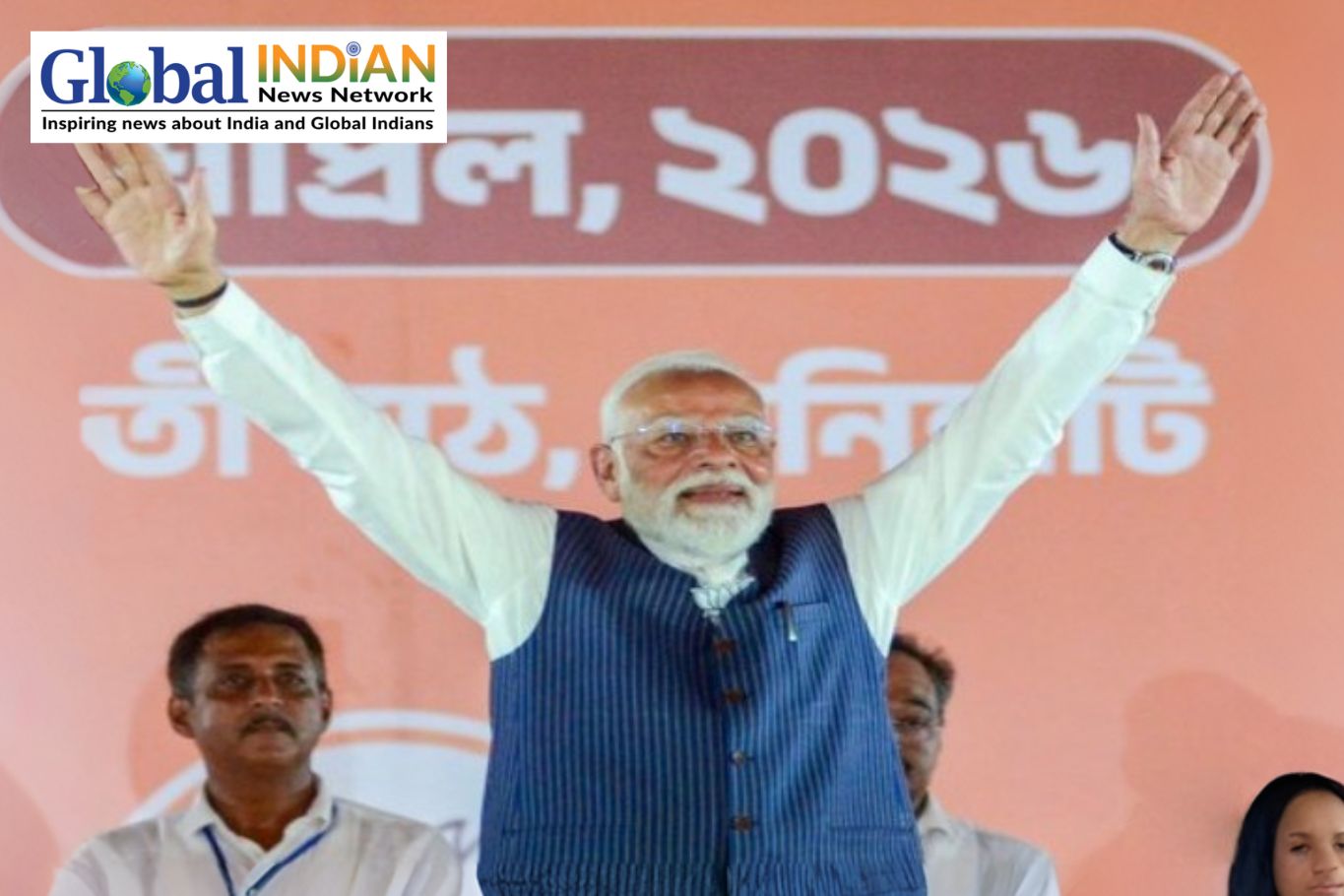
 The phrase “Parivartan hoye gechhe” has come to symbolise more than just an electoral outcome in West Bengal. It reflects a broader shift in political sentiment, governance priorities, and developmental expectations that now extend beyond the state’s borders into a larger regional vision.
The recent mandate in Bengal has set the stage for a renewed focus on governance efficiency, infrastructure expansion, and economic revival. Political transitions often carry expectations of change, but the emphasis now appears to be on translating that mandate into measurable outcomes. The narrative is gradually moving from electoral rhetoric to policy execution, with stakeholders closely watching how governance reforms take shape on the ground.
At the same time, the idea of a “Bay of Bengal vision” is gaining traction as policymakers look to integrate eastern India more deeply into regional and global economic networks. The Bay of Bengal region holds significant strategic importance, acting as a gateway for trade, connectivity, and maritime cooperation. Strengthening ports, logistics corridors, and coastal infrastructure is increasingly seen as essential to unlocking economic potential.
The linkage between Bengal’s political shift and this broader regional ambition lies in the need for coordinated development. A stable and forward-looking governance framework within the state can serve as a catalyst for larger initiatives that connect eastern India with Southeast Asia and beyond. This includes enhancing trade routes, promoting industrial clusters, and leveraging coastal economies.
There is also a growing recognition that development in the region must balance economic growth with social inclusion. Investments in infrastructure, job creation, and skill development are expected to play a critical role in ensuring that the benefits of growth reach a wider population.
As the narrative evolves from mandate to momentum, the challenge will be sustaining policy continuity and translating vision into action. The coming years will determine whether the political shift in Bengal can truly anchor a transformative regional strategy, positioning the Bay of Bengal as a key driver of India’s economic and strategic future.