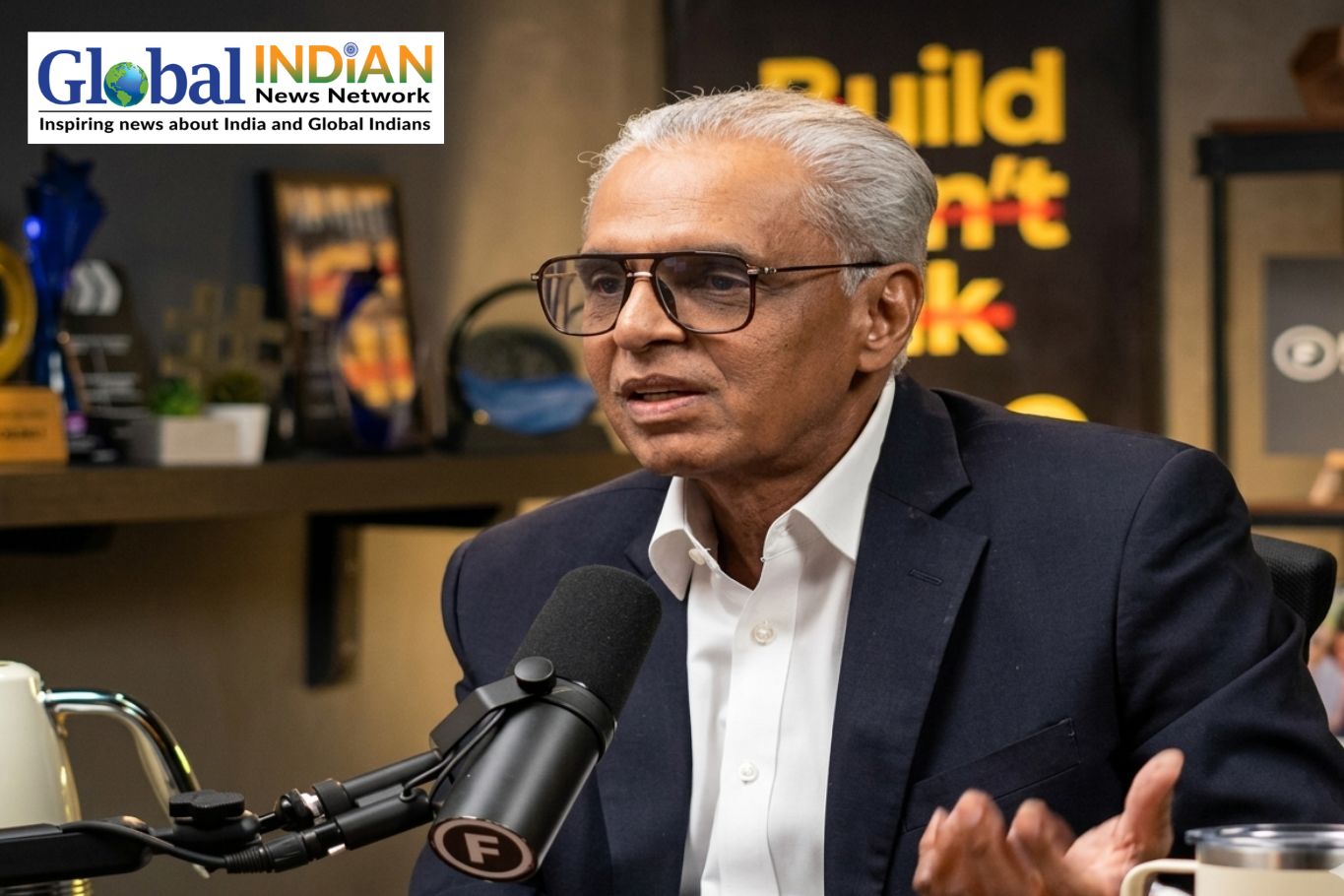
 Syed Akbaruddin, India’s former Permanent Representative to the United Nations, has emphasised that the country’s growing global importance demands a more careful and measured approach in its responses to international developments. He noted that India’s foreign policy is increasingly reflecting the aspirations of its young population as well as the practical concerns of ordinary citizens.
Speaking during a public interaction, Akbaruddin observed that the expectations of younger Indians have significantly evolved from earlier generations. While traditional foreign policy once focused largely on ideological positions, today’s priorities are more outcome-driven, including employment opportunities, easier visa access, and smoother remittance flows.
He highlighted that India’s expanding economic integration with the world has fundamentally altered its diplomatic posture. From relatively limited global economic engagement in earlier decades, the country is now deeply interconnected with international markets. This shift, he explained, requires a more calibrated and strategic approach, as global developments increasingly have direct implications for domestic interests.
Akbaruddin pointed out that India was once more vocal and quick to comment on global events. However, the changing geopolitical and economic landscape now necessitates restraint and thoughtful engagement. As India’s role in the global order grows, so does the need to balance its responses with long-term strategic considerations.
Discussing broader geopolitical dynamics, he noted that every nation operates with varying degrees of leverage in international relations. Countries with stronger economic or strategic influence are often better positioned to shape outcomes. In this context, he underscored that foreign policy should be assessed based on tangible outcomes and national interest rather than the frequency or intensity of public statements.
He also highlighted India’s influence in key regions such as the Gulf, where sustained engagement has helped secure important national interests. Emphasising the gradual nature of diplomacy, Akbaruddin said that meaningful outcomes often take time and require consistent effort.
As India continues to expand its global footprint, he stressed that a balanced, pragmatic, and measured foreign policy approach will be essential in navigating an increasingly complex international environment.