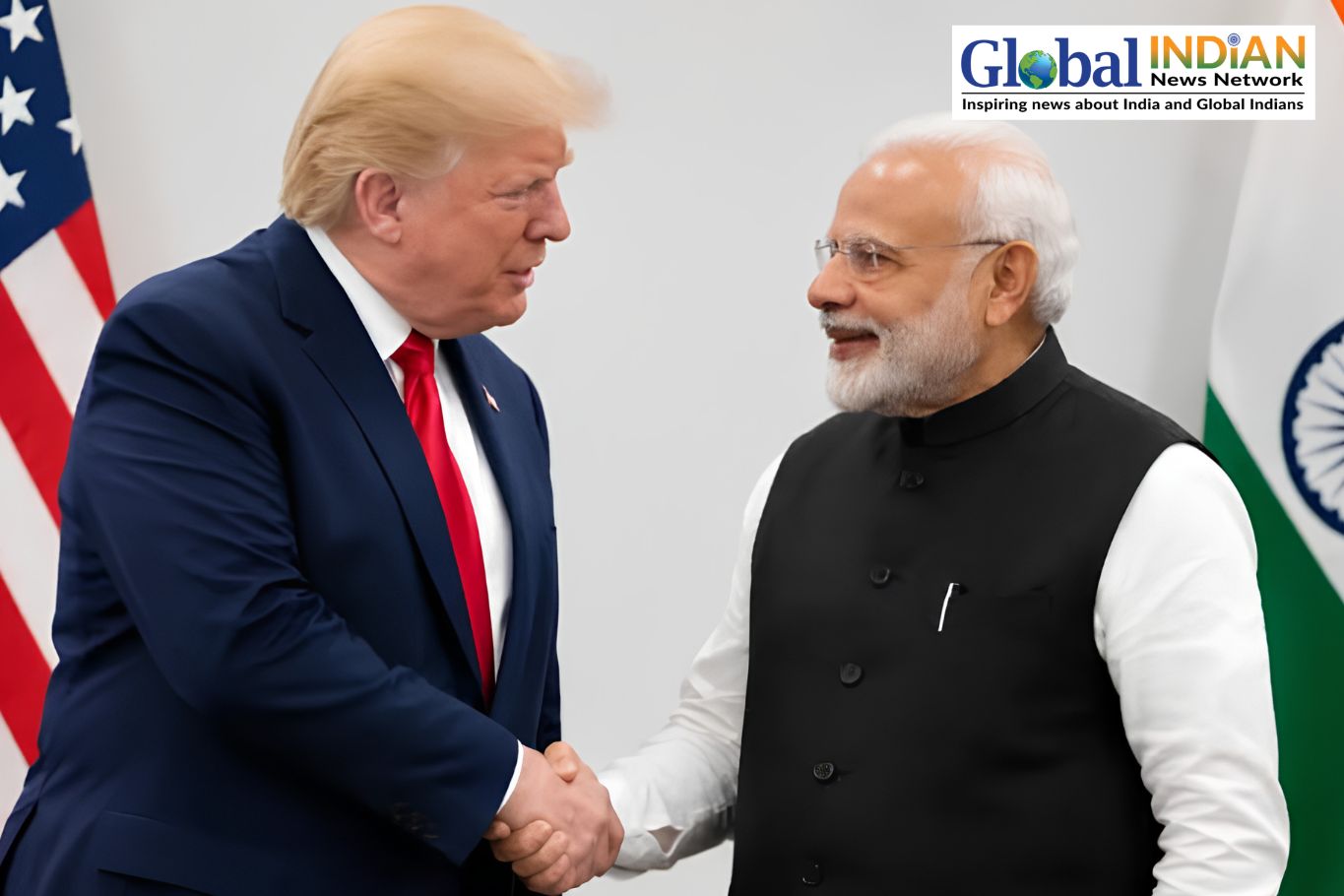
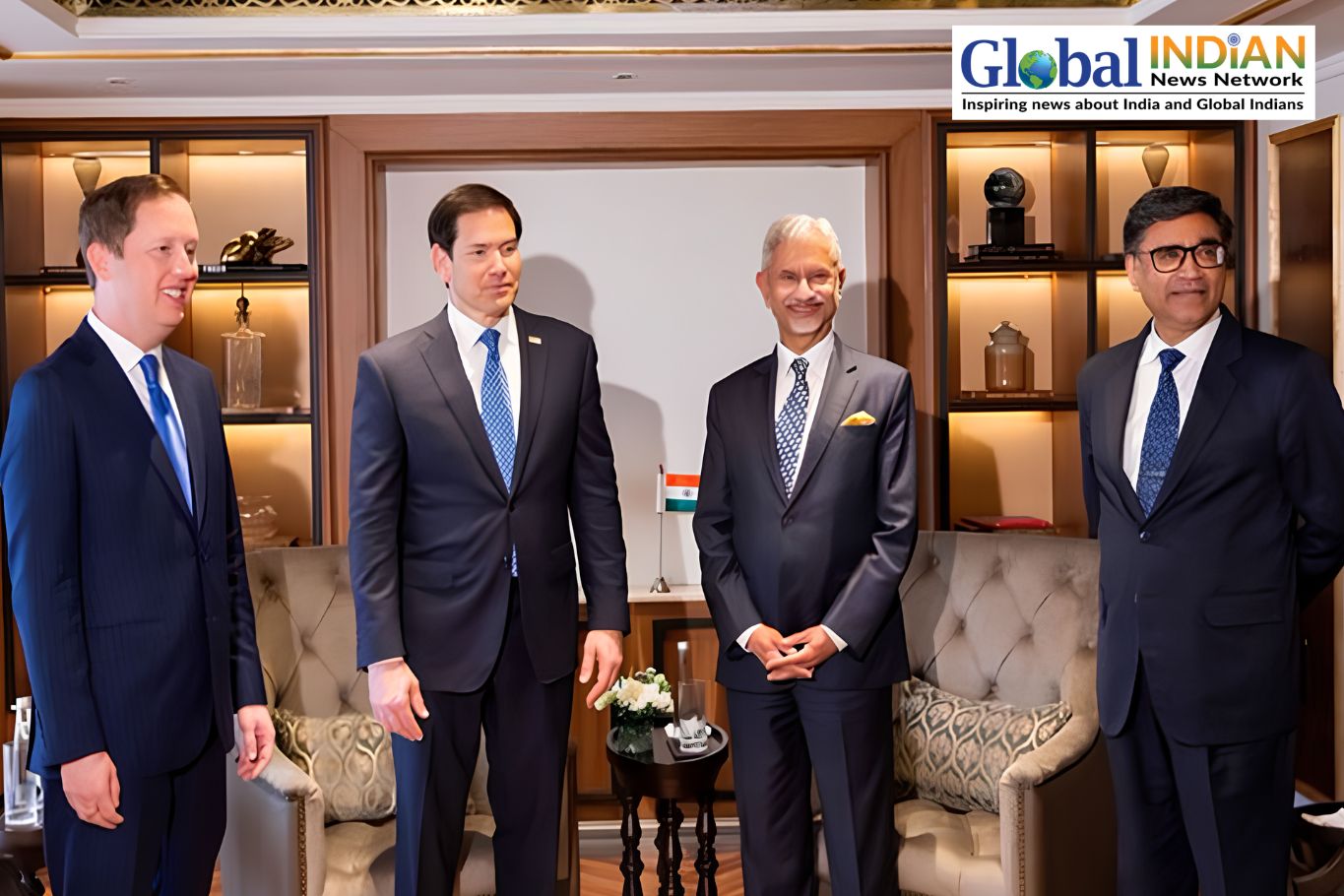
 The United States and India are broadening their strategic partnership by increasing collaboration in defence, civil nuclear energy and trusted artificial intelligence, according to US Assistant Secretary of State S. Paul Kapur. The initiatives are aimed at strengthening economic growth, improving regional security and advancing cooperation in emerging technologies.
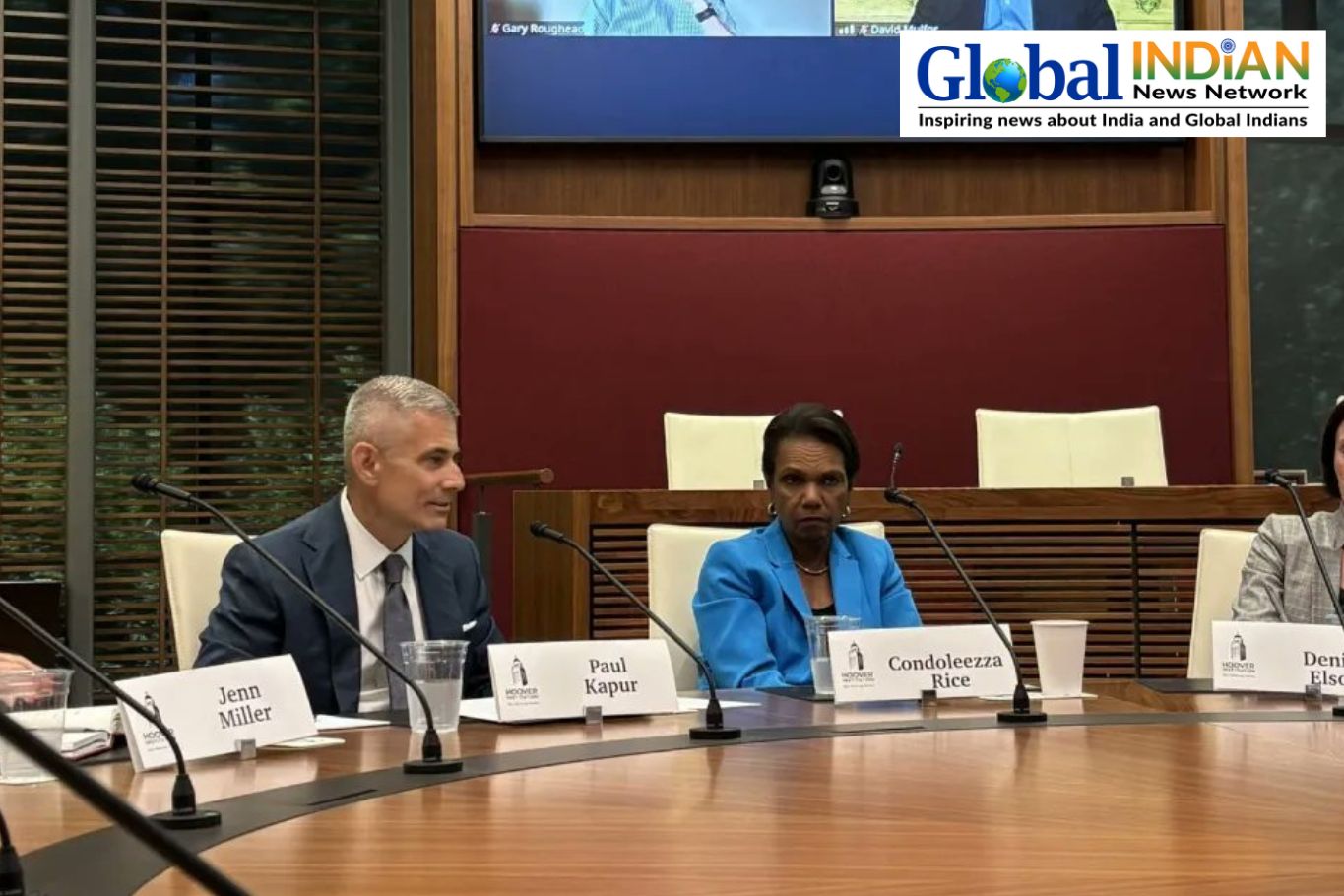
Kapur shared the update while participating in a roundtable discussion on India at the Hoover Institution. The event also featured former US Secretary of State Condoleezza Rice and former US Ambassador to India David C. Mulford, highlighting the continued importance of India-US relations among senior policymakers.
In a message posted on X, Kapur said the current US administration views its engagement with India as an opportunity to create jobs within the United States while reinforcing supply chains that are vital to both countries and the broader Indo-Pacific region. He noted that the partnership extends beyond traditional areas of cooperation and increasingly includes advanced technologies that will shape future economic development.
Among the key priorities identified by Kapur are expanded defence collaboration and greater cooperation in civil nuclear energy. He also emphasized the growing focus on trusted artificial intelligence and other emerging technologies that are expected to play a significant role in driving innovation, industrial growth and digital transformation.
The two nations have steadily strengthened defence ties in recent years. In 2025, India and the United States signed a comprehensive defence framework designed to improve interoperability across land, sea, air, space and cyberspace. The agreement reflected a shared commitment to closer military coordination and enhanced security cooperation.
India has also become a major customer for US defence equipment over the past two decades. Since 2002, the country has inducted a wide range of American military platforms, including Apache and Chinook helicopters, C-17 and C-130J transport aircraft, P-8I maritime surveillance aircraft and M777 ultra-light howitzers. These acquisitions have contributed to the modernization of India’s defence capabilities while deepening military cooperation between the two democracies.
The civil nuclear sector is also emerging as a key area for future collaboration. American nuclear power companies have expressed interest in expanding their presence in India following recent policy changes. Earlier this year, a delegation of senior executives from the US nuclear industry visited India to explore partnerships with private-sector companies after New Delhi introduced the SHANTI law, which eased liability provisions and created a more favorable environment for civil nuclear investment.
The latest developments underscore the growing breadth of the India-US partnership, with both nations seeking to advance cooperation across security, technology and energy while supporting long-term economic resilience and innovation.