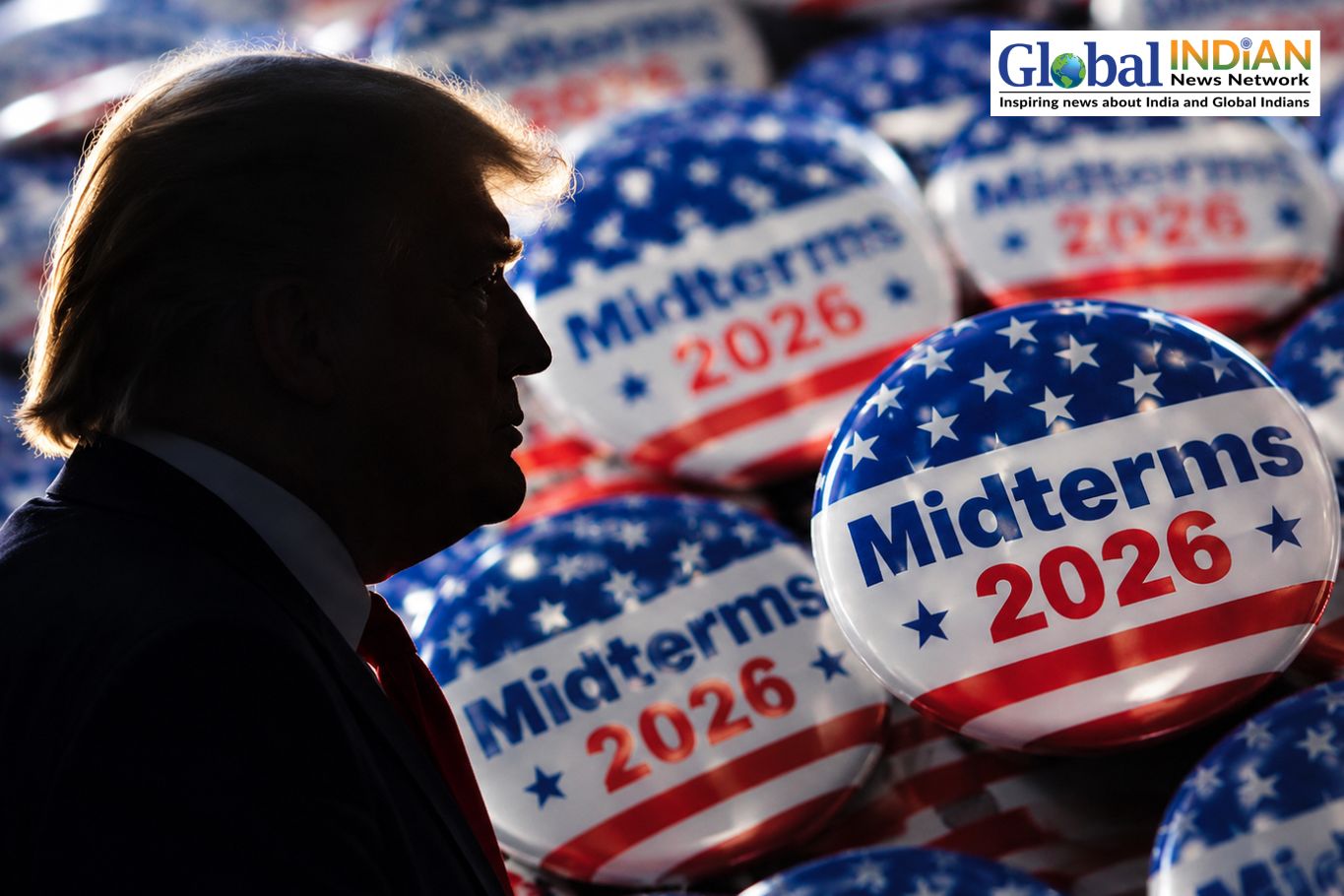
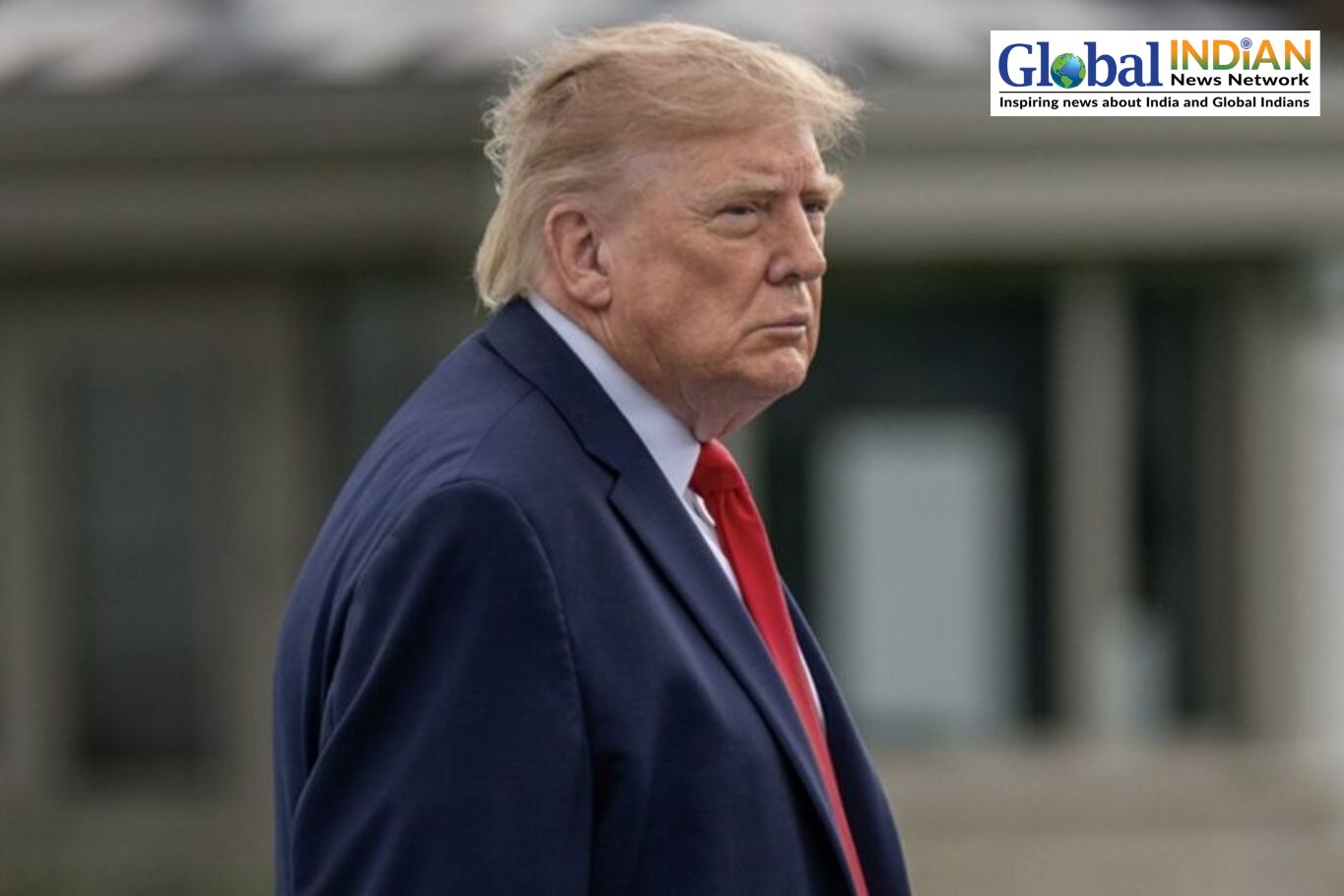
 The 2026 US midterm elections have delivered a major political setback to President Donald Trump and the Republican Party, with Democrats securing control of both the House of Representatives and the Senate. The scale of the Republican losses has raised questions about Trump’s influence over the electorate and his ability to shape the direction of his party during the remaining two years of his presidency.
According to projections cited by NBC News, Democrats could secure as many as 256 seats in the 435-member House of Representatives, giving them an estimated majority of 81 seats. In the Senate, the party was projected to win at least 54 seats in the 100-member chamber, creating a four-seat advantage. The results exceeded expectations reflected in pre-election polling and represented a significant shift in the balance of power in Washington.
Trump had campaigned during the 2024 presidential election on promises to reduce prices and make everyday life more affordable for Americans. However, his priorities after returning to the White House increasingly focused on broader political and international ambitions, including tariffs, military action against Iran and projects intended to reshape the appearance of the White House and Washington.
These priorities became a central point of criticism as voters expressed dissatisfaction with the administration’s direction. As the scale of the Republican defeat became apparent, Trump responded on Truth Social by saying that he had not been on the ballot and claiming that Republicans would have won by a landslide if he had been a candidate.
However, the results exposed the limits of his political influence, particularly in traditionally Republican states where Democrats made significant gains. The defeats in Texas, Kansas and South Carolina challenged the perception that Trump’s influence could guarantee Republican victories even in strongly conservative regions.
Kansas recorded a historic political shift when Adam Hamilton became the first Democrat elected to the Senate from the state in 95 years, ending nearly a century of Republican dominance in the race. In Texas, Hina Hinojosa’s election as governor ended a 36-year Republican hold on the office.
The losses were particularly damaging for Trump because several defeated candidates had received his personal backing. Among them were Ken Paxton, who had previously faced impeachment proceedings in the Texas House over bribery allegations before being acquitted by the state Senate, and Susan Graham, the sister of the late Senator Lindsey Graham.
The results have also raised questions about whether more Republican lawmakers will begin distancing themselves from Trump and independently challenge his policies. Politicians who previously showed limited signs of independence, including Texas Senator John Cornyn, faced political consequences, but the scale of the latest defeats could encourage others to speak more openly.
Potential areas of disagreement include Trump’s tariff policies, the conflict with Iran and his approach to Russian President Vladimir Putin. These issues could become increasingly contentious within the Republican Party as lawmakers assess the political consequences of the administration’s decisions.
During an interview with CBS News on Tuesday, while voting was still underway, Trump warned that he could become “Mr Veto” and reject legislation passed by a Democratic-controlled Congress. He suggested that repeated vetoes could eventually push Democrats towards negotiations.
However, after the election results became clearer, Trump adopted a more conciliatory tone in an interview with Politico. He said he did not want to spend the next two years vetoing legislation and expressed a willingness to work with Democrats to ensure the country moved forward.
Despite this shift in tone, concerns remain over how the administration will respond to the strengthened Democratic opposition. The new congressional balance could limit Trump’s legislative agenda and increase scrutiny of his domestic and foreign policy decisions.
An early test of the changing political environment could emerge around Iran, where Trump’s military approach has drawn criticism and become a major political issue. His next decisions on the conflict may indicate whether the administration intends to continue its previous strategy or pursue a different course.
Trump also claimed that Democratic lawmakers had already contacted him and expressed interest in cooperation. However, House Democratic leader Hakeem Jeffries, who is expected to become Speaker of the House, made clear that his party intends to pursue substantial changes.
Jeffries said Democrats recognised the need to deliver major improvements for the American people, arguing that the country needed a Congress focused on public priorities.
The election outcome marks a significant turning point in Trump’s second presidency. With Democrats preparing to control both chambers of Congress, the coming two years are likely to bring greater political scrutiny, legislative confrontation and pressure on the administration to reconsider its priorities.