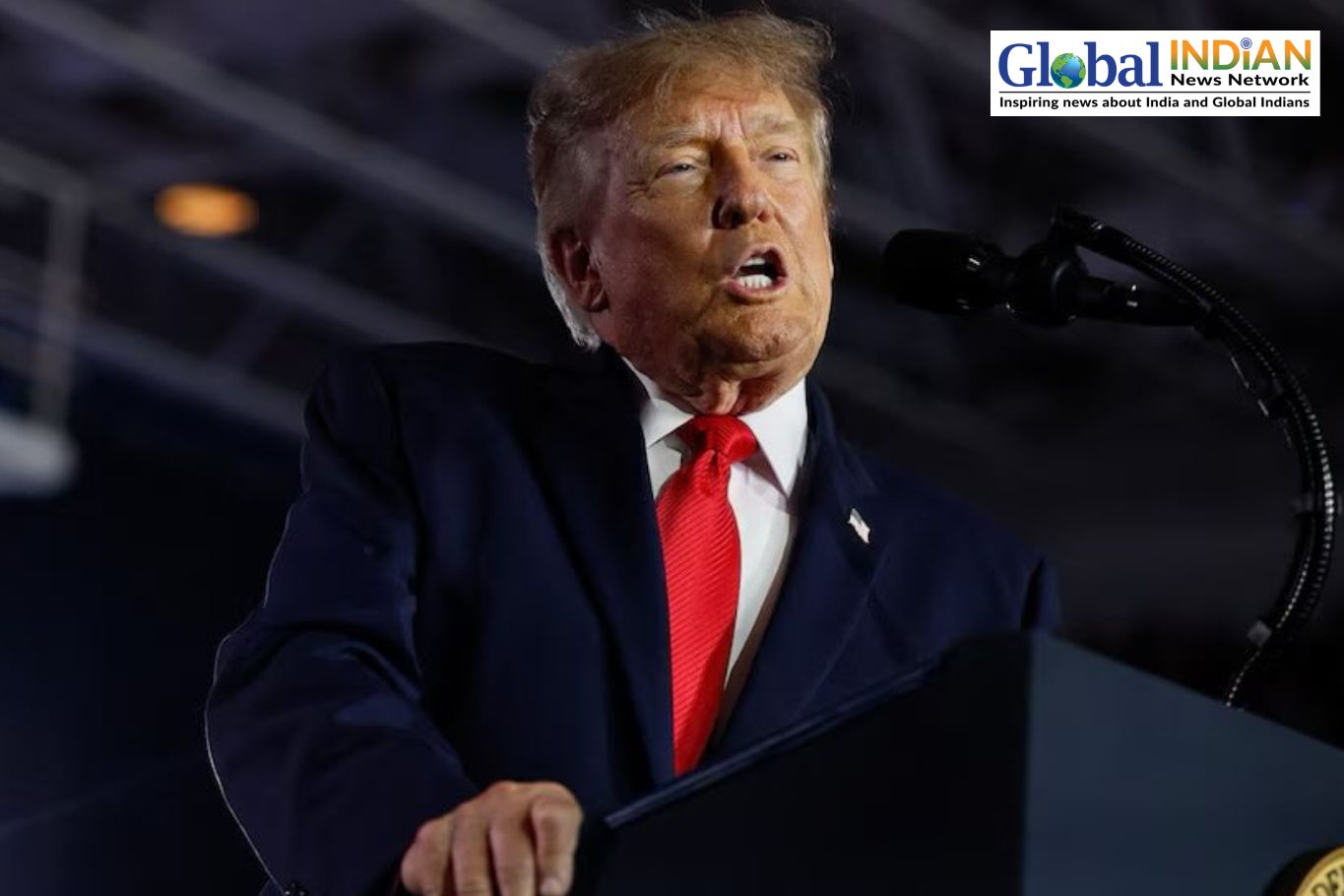
President Donald Trump’s endorsement has traditionally given Republican candidates a considerable advantage, particularly during primary elections. However, the November 3, 2026, midterm results suggest that his influence within the party may not always translate into victories in nationwide contests. Several prominent Republicans supported by Trump failed to win their respective races as Democrats made significant gains.
According to Ballotpedia, Trump-backed candidates won 315 of the 351 primary contests connected to his endorsements, representing a success rate of approximately 96%. Their performance in the general election, however, was considerably different. Among the major defeats, Kansas Senator Roger Marshall lost to Democrat Adam Hamilton, ending a 94-year period without a Democratic Senate victory in the state. Ohio gubernatorial candidate Vivek Ramaswamy was defeated by Amy Acton, while Ken Paxton lost the Texas Senate contest to James Talarico. Texas Governor Greg Abbott also lost to Gina Hinojosa.
Other unsuccessful candidates included Tom Kean Jr. in New Jersey’s 7th Congressional District, Bruce Blakeman in New York’s gubernatorial race, and Georgia Senate candidate Mike Collins, who was defeated by Jon Ossoff. Mike Lawler conceded his New York-17 contest before an official result was announced. The article also listed Mike Rogers as defeated by Abdul El-Sayed in Michigan and Jeanine Driscoll as defeated by Laura Gillen in New York’s 4th Congressional District.
Democrats’ broader gains included capturing the Senate majority, with victories reported in Kansas, Texas, Ohio, Iowa and other states. Responding to the setbacks, Trump suggested that some endorsed candidates had damaged their standing with his supporters by opposing him. In an interview with Fox News, he acknowledged supporting certain candidates he personally disliked because he believed doing so would benefit the Republican Party.