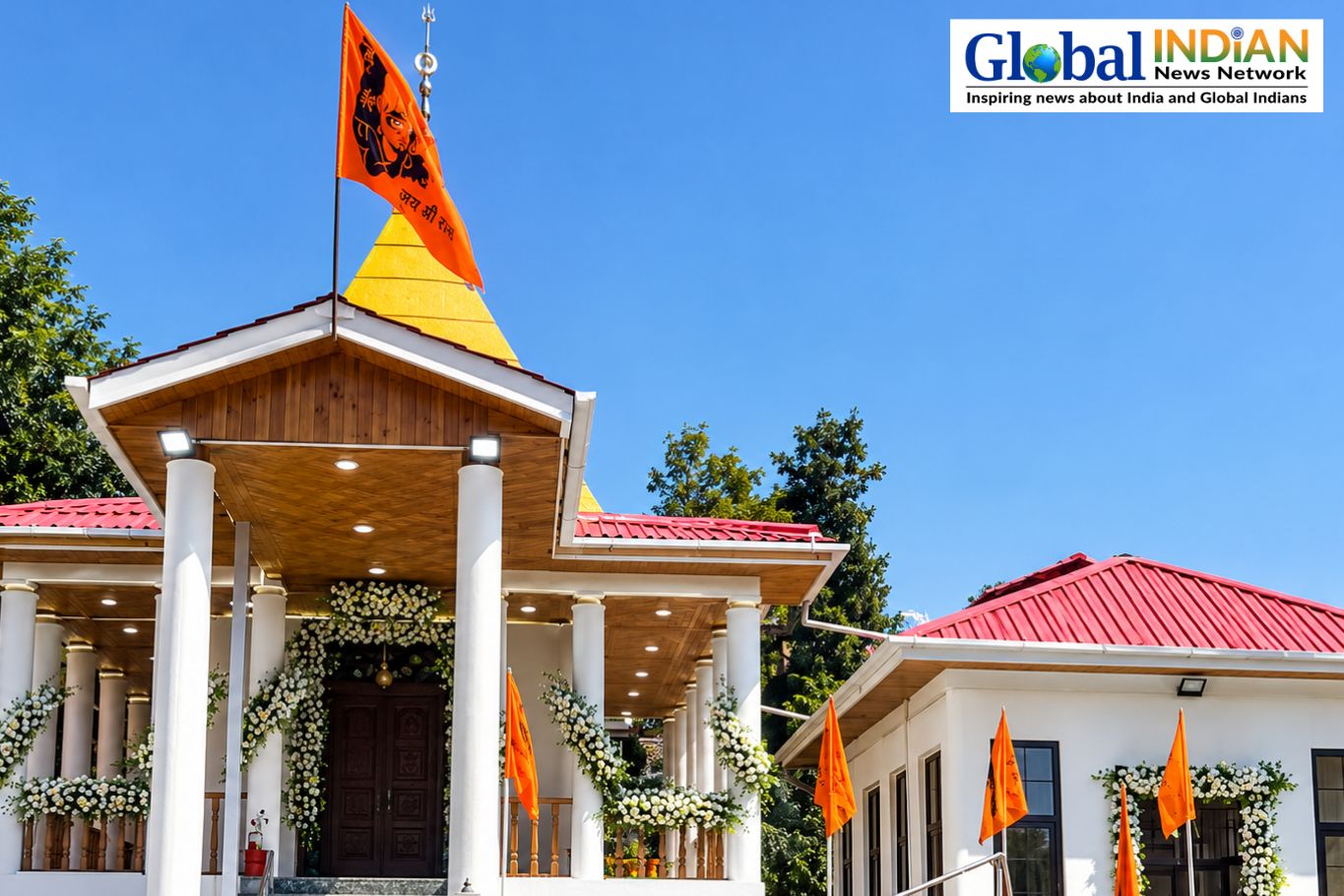
The reopening of Srinagar’s historic Sheetalnath Temple marks more than the restoration of an ancient place of worship. It offers Kashmiri Pandit families an opportunity to reconnect with their ancestral heritage and revive their association with a landmark shaped by the Valley’s religious and cultural history.
The restoration included structural repairs and reconstruction of important sections of the temple complex, particularly the sanctum sanctorum and the havanshala, where sacred fire rituals are performed. These improvements have made it possible for devotees to return for prayers and religious ceremonies. An earlier attempt to organize prayers during Basant Panchami in 2021 was unsuccessful because extensive structural damage prevented public access.
Sheetalnath occupies a significant place in Kashmiri Shaivism, a spiritual tradition with deep historical roots in the region. The shrine is regarded as one of the ancient Ashta Bhairavs, the eight guardian deities traditionally associated with protecting Srinagar.
Local traditions further connect the site with sage Kashyapa and the mythological waters of Satisar. These associations add another dimension to the temple’s importance, linking its religious identity with stories and beliefs central to Kashmir’s cultural memory.
Before 1990, the temple complex served purposes beyond religious worship. It housed primary and higher secondary schools attended by Hindu and Muslim children, making it a place where students from different communities learned together.
The site also functioned as a significant gathering place for social and political activities during the 20th century. Prominent national leaders, including Mahatma Gandhi, Jawaharlal Nehru, Indira Gandhi and Atal Bihari Vajpayee, addressed gatherings there, reflecting its broader historical role in public life.
Officials have described the temple’s restoration as part of a wider initiative to safeguard historic religious sites throughout Jammu and Kashmir. The effort includes temples, Sufi shrines, gurdwaras and mosques that suffered damage or neglect during prolonged periods of unrest.
With the restoration completed, Sheetalnath’s reopening provides displaced Kashmiri Pandit families with a renewed connection to their past. It also brings attention to Kashmiriyat, the region’s tradition of shared cultural identity, and the importance of preserving landmarks that reflect its diverse history.