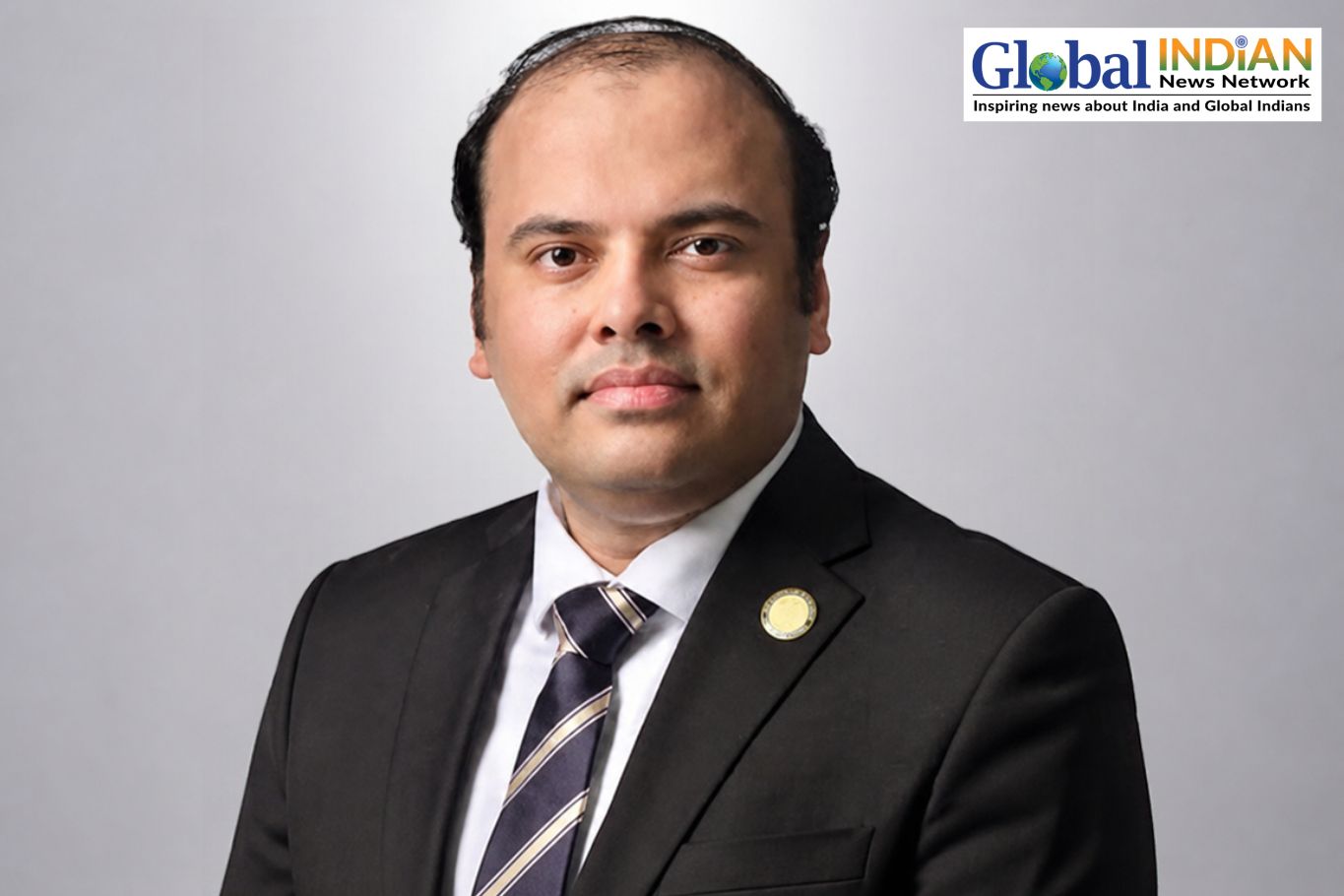
Indian-American Congressman Ro Khanna is laying out a new economic agenda for the Democratic Party as speculation grows over potential contenders for the 2028 Presidential race. The California Democrat has not declared a campaign but says his priority is developing a national economic strategy that delivers greater benefits to working Americans.
Khanna described his approach as “economic patriotism,” arguing that the country needs to rebuild its industrial base while ensuring technological progress reaches communities that have been left behind. Speaking to NBC News, he said Democrats need a stronger economic message that connects with workers and families outside wealthy technology hubs.
Representing a district that includes parts of Silicon Valley, Khanna acknowledged the enormous concentration of technology companies and wealth in the region. However, he argued that the economic gains generated by the technology sector have not been distributed broadly enough, particularly among communities affected by decades of industrial decline.
The Congressman said Democrats had weakened their position among working-class voters by failing to adequately address the consequences of deindustrialization. He believes the party can regain support by developing a clear economic program centered on jobs, manufacturing and opportunity.
Khanna also highlighted artificial intelligence as a major part of that agenda. Rather than allowing AI to primarily increase wealth for a small group of technology executives and investors, he wants the technology to generate opportunities for communities that have struggled economically.
On the possibility of a 2028 Presidential campaign, Khanna declined to make a formal announcement. When asked how his approach would differ from progressive Congresswoman Alexandria Ocasio-Cortez, he praised her abilities and said the movement would have multiple potential leaders.
Khanna also reaffirmed several progressive positions, including support for Medicare for All, a billionaire tax and an end to foreign wars. He called universal healthcare a top priority and said the proposal should receive a vote in the House.
Another proposal from Khanna concerns the rapid expansion of data centers needed to support AI. He has called for a “data center bill of rights” that would give local communities greater influence over where such facilities are constructed, particularly when residential neighborhoods or farmland are involved.
While supporting expanded data center infrastructure, Khanna said regulation is necessary to address potential effects on communities and electricity costs.