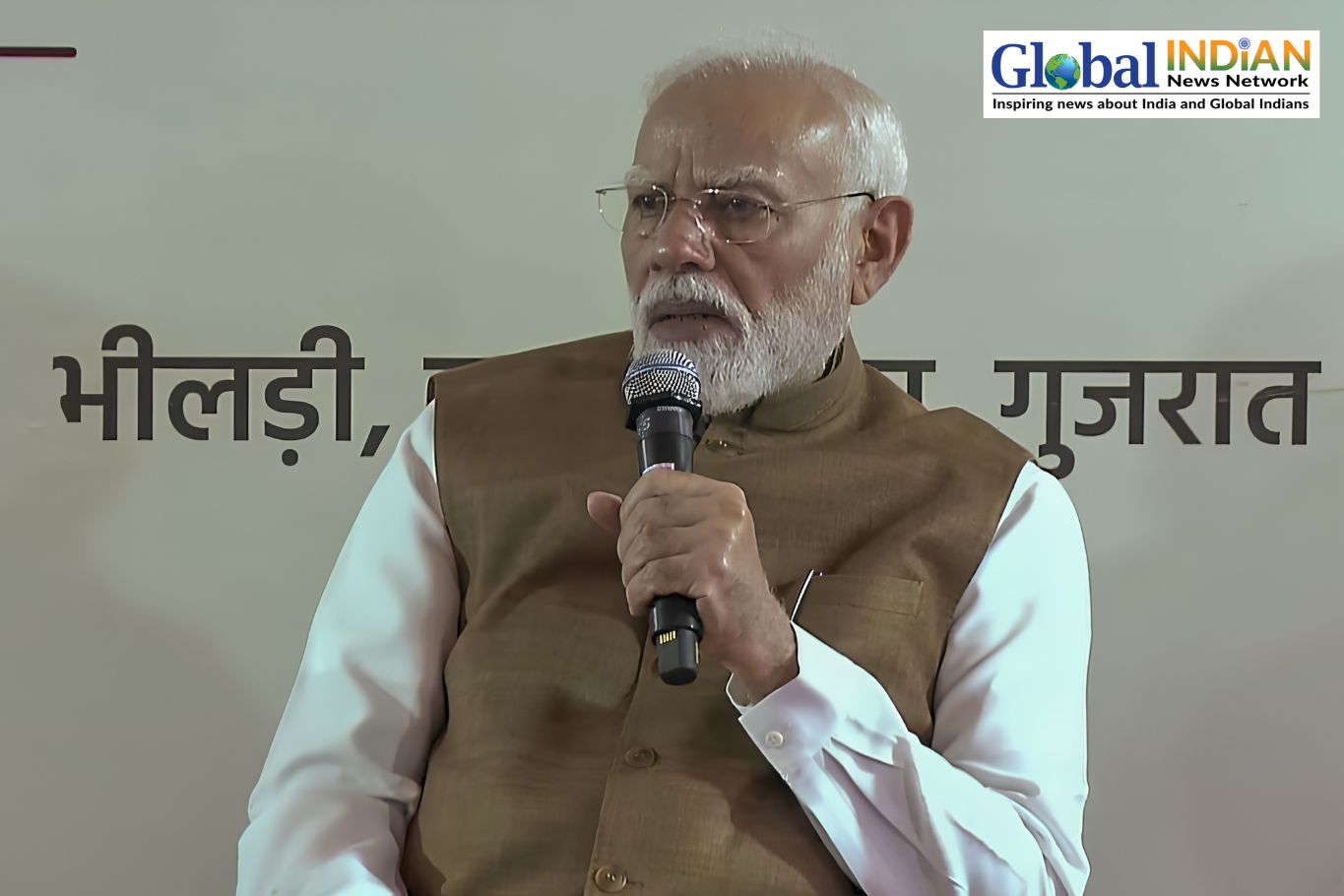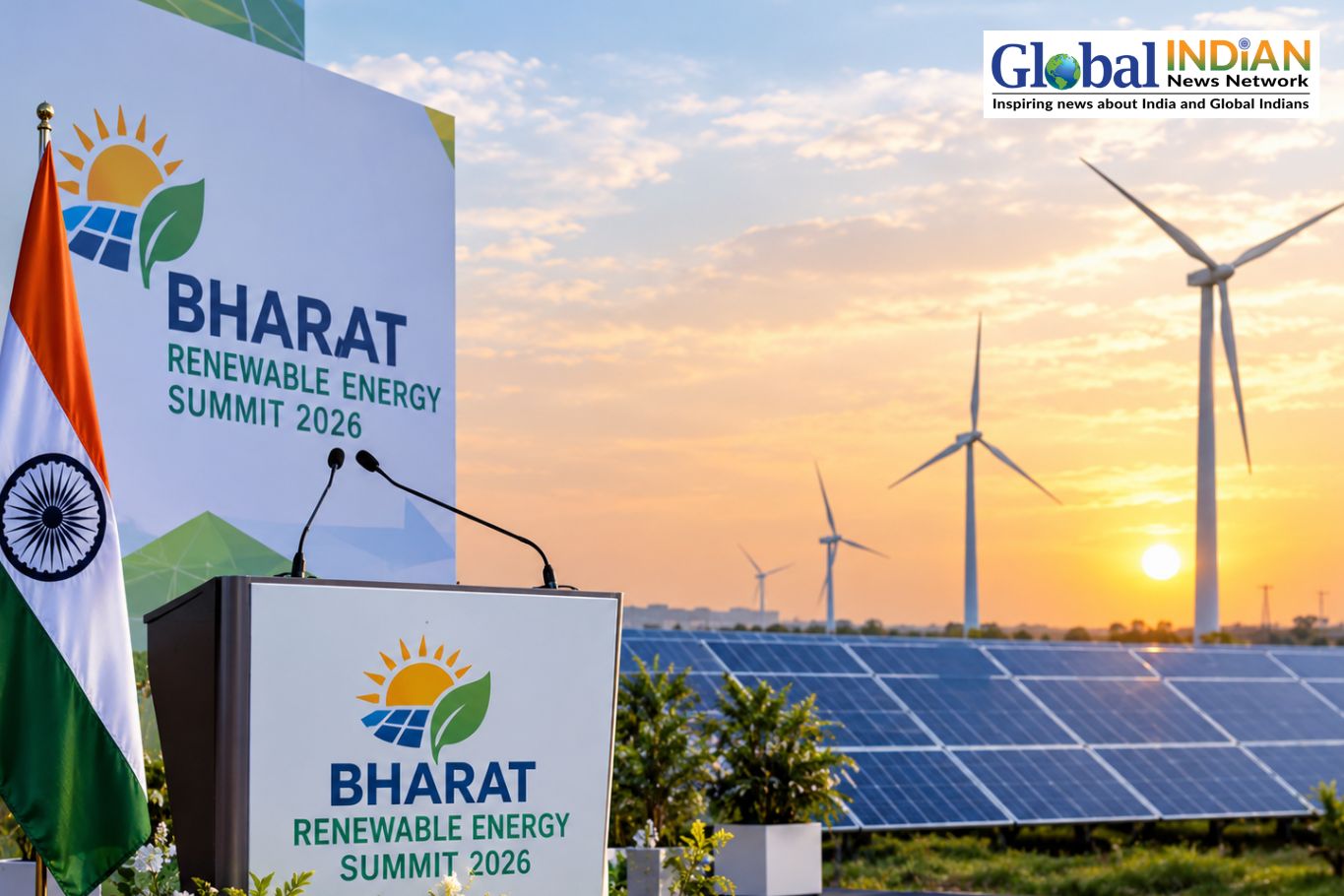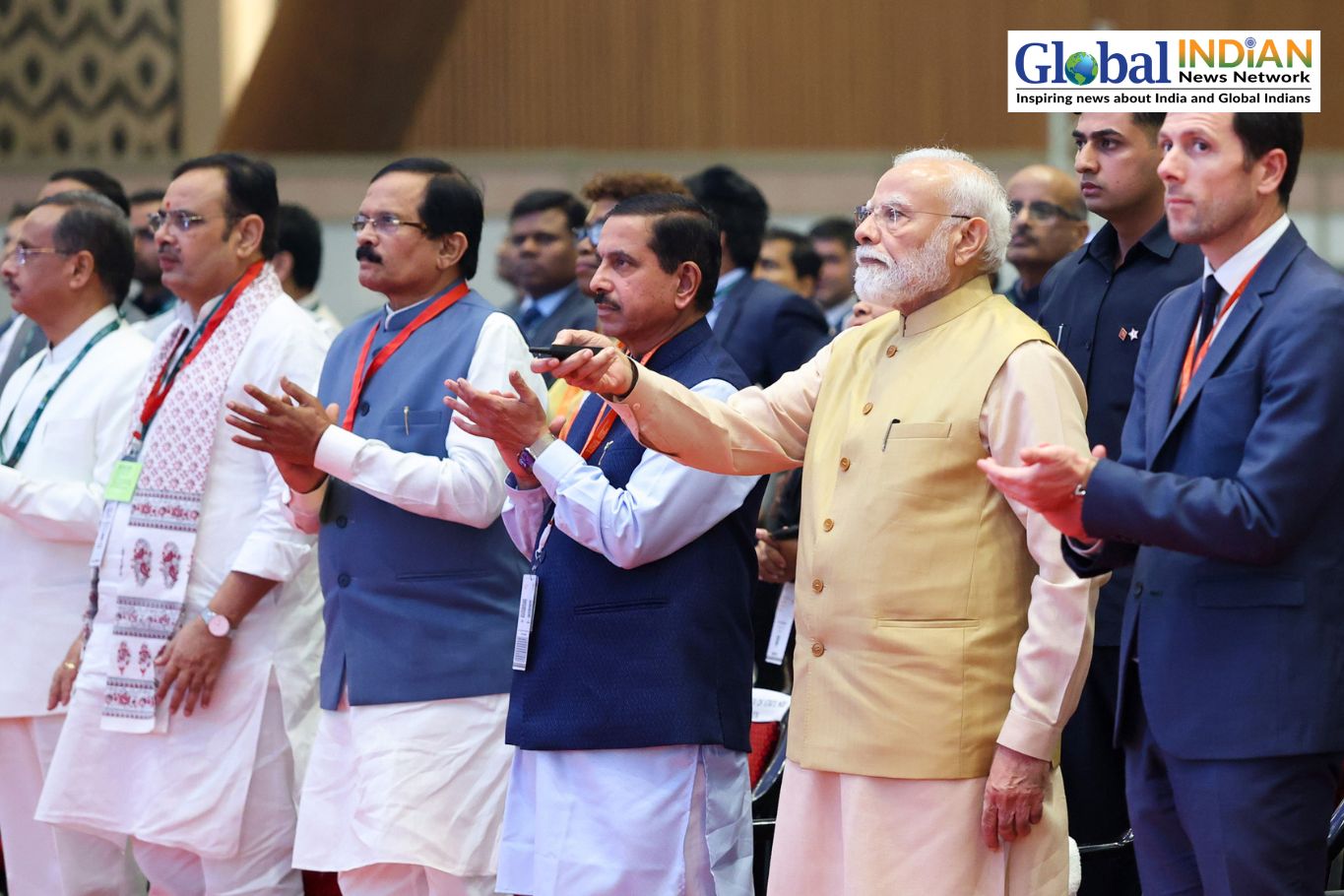
Prime Minister Narendra Modi inaugurated the Bharat Renewable Energy Summit and Expo 2026 at Bharat Mandapam in New Delhi on November 2, highlighting India’s growing position in the global clean energy sector and outlining an ambitious roadmap for renewable energy expansion.
The summit coincides with the Ninth Assembly of the International Solar Alliance (ISA) and the Fourth Conference on Green Hydrogen, bringing together key stakeholders to discuss investment opportunities, technological developments and international cooperation in clean energy.
During the event, the Prime Minister highlighted India’s progress in meeting its climate commitments, noting that the country achieved its Paris Agreement pledge of sourcing 50 per cent of its installed electricity capacity from non-fossil fuel sources in 2025, five years ahead of the original deadline.
India has also reached nearly 300 gigawatts (GW) of non-fossil fuel-based installed capacity against its target of 500 GW by 2030. Building on this progress, Modi announced an additional ambition to add 500 GW of non-fossil energy capacity over the next 10 to 11 years.
The renewable energy sector has emerged as a major destination for investment, attracting more than Rs. 15 lakh crore over the past decade. This includes investments exceeding Rs. 6 lakh crore since the RE-INVEST Summit in 2024.
According to the government’s projections, investment opportunities in the renewable energy sector could cross Rs. 20 lakh crore by the end of this decade, reflecting the expanding role of clean energy in India’s economic and industrial development.
The government has also highlighted the progress of the PM Surya Ghar Muft Bijli Yojana, under which more than 65 lakh households have adopted rooftop solar installations in approximately two years. The initiative aims to encourage residential solar power generation and reduce household electricity expenses.
Solarisation of public infrastructure has also gained momentum. More than 44,000 government buildings have been connected to solar energy systems, helping generate annual savings of nearly Rs. 700 crore.
India’s domestic solar manufacturing industry has witnessed significant expansion over the past decade. Solar module manufacturing capacity has increased from approximately 2 GW to more than 200 GW. The country has also developed nearly 40 GW of solar cell manufacturing capacity, strengthening its domestic clean energy supply chain.
To support the growing renewable energy sector, the government is focusing on strengthening electricity transmission infrastructure. India has set an investment target of approximately Rs. 2 lakh crore to expand transmission networks through Green Energy Corridors.
The initiative is expected to improve the integration of renewable energy into the national electricity grid and facilitate the transmission of clean power from resource-rich regions to major consumption centres.
In another major development, a Rs. 1,894.17 crore Africa Solar Facility has been proposed to support solar energy projects across the African continent. The initiative reflects India’s efforts to strengthen international cooperation and expand access to renewable energy in developing countries.
The Bharat Renewable Energy Summit and Expo 2026 comes at a time when countries worldwide are accelerating their transition towards cleaner energy sources. With expanding manufacturing capacity, rising investments and ambitious capacity targets, India is seeking to strengthen its position as a major player in the global renewable energy landscape.
The government’s focus on solar power, green hydrogen, transmission infrastructure and international partnerships is expected to play an important role in advancing India’s long-term clean energy ambitions.