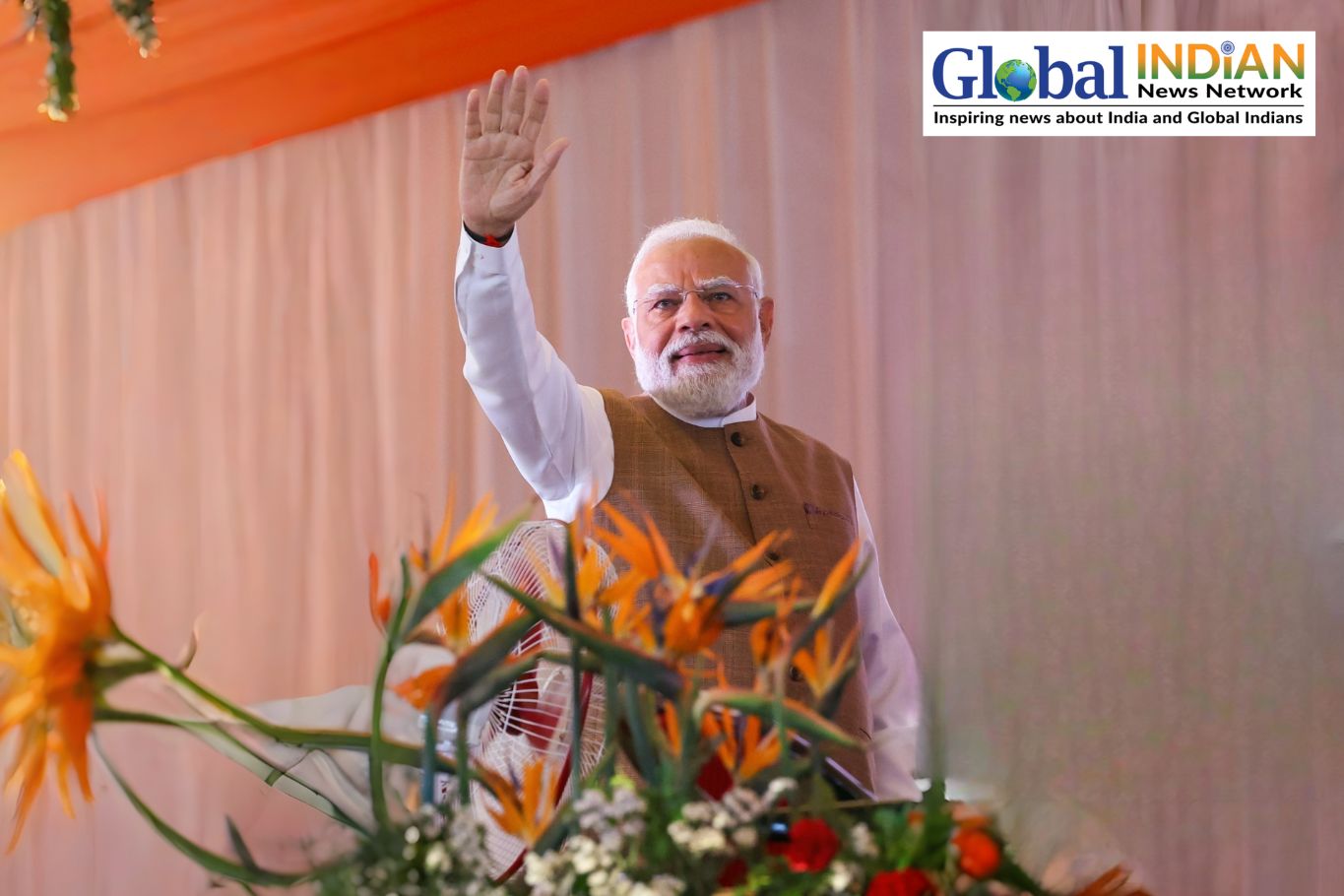
 Prime Minister Narendra Modi’s upcoming visit to the United Arab Emirates is being viewed as a key diplomatic move aimed at reinforcing India’s strategic partnership with the Gulf nation at a time of heightened instability in West Asia. The visit, scheduled for Friday, comes amid ongoing regional tensions that have raised concerns about global energy security and supply chain disruptions.
According to reports, the discussions between PM Modi and UAE President Sheikh Mohamed bin Zayed Al Nahyan are expected to focus on strengthening cooperation in critical areas such as defence, energy security, maritime stability, and trade resilience. The talks are particularly significant given the evolving geopolitical situation linked to tensions involving the United States and Iran, as well as uncertainties surrounding key shipping routes.
Energy collaboration is likely to be a central theme during the high-level meetings. Both sides are expected to explore long-term arrangements related to liquefied natural gas supplies, crude oil imports, upstream investments, and alternative logistics frameworks designed to safeguard against potential disruptions in global energy markets. The UAE remains one of India’s most important energy partners, supplying crude oil, liquefied petroleum gas, and LNG, while also participating in major investment projects in India’s energy sector.
Defence cooperation between the two countries is also set to advance further. India and the UAE are reportedly working toward a broader Strategic Defence Partnership framework, which may include collaboration in defence manufacturing, cybersecurity, intelligence sharing, maritime security, counter-terrorism operations, and joint strategic initiatives. This marks a new phase in bilateral ties that have expanded steadily over the past decade.
Beyond energy and defence, the India-UAE relationship has transformed into a wide-ranging strategic partnership covering sectors such as fintech, artificial intelligence, renewable energy, logistics, infrastructure, food security, and digital payments. The UAE has also emerged as one of India’s largest trading partners and a major source of foreign direct investment, highlighting the depth of economic engagement between the two nations.
Another important aspect of the relationship is the large Indian diaspora living in the UAE, which numbers over 4.5 million people. This community plays a vital role in strengthening economic and cultural ties through remittances, professional contributions, and business activity. Discussions during the visit are also expected to address issues related to labour welfare, mobility, and diaspora protection, reflecting the importance of people-to-people connections.
Analysts believe the visit underscores India’s broader strategy of strengthening partnerships in the Gulf region to ensure economic stability, energy security, and strategic influence in an increasingly complex global environment.