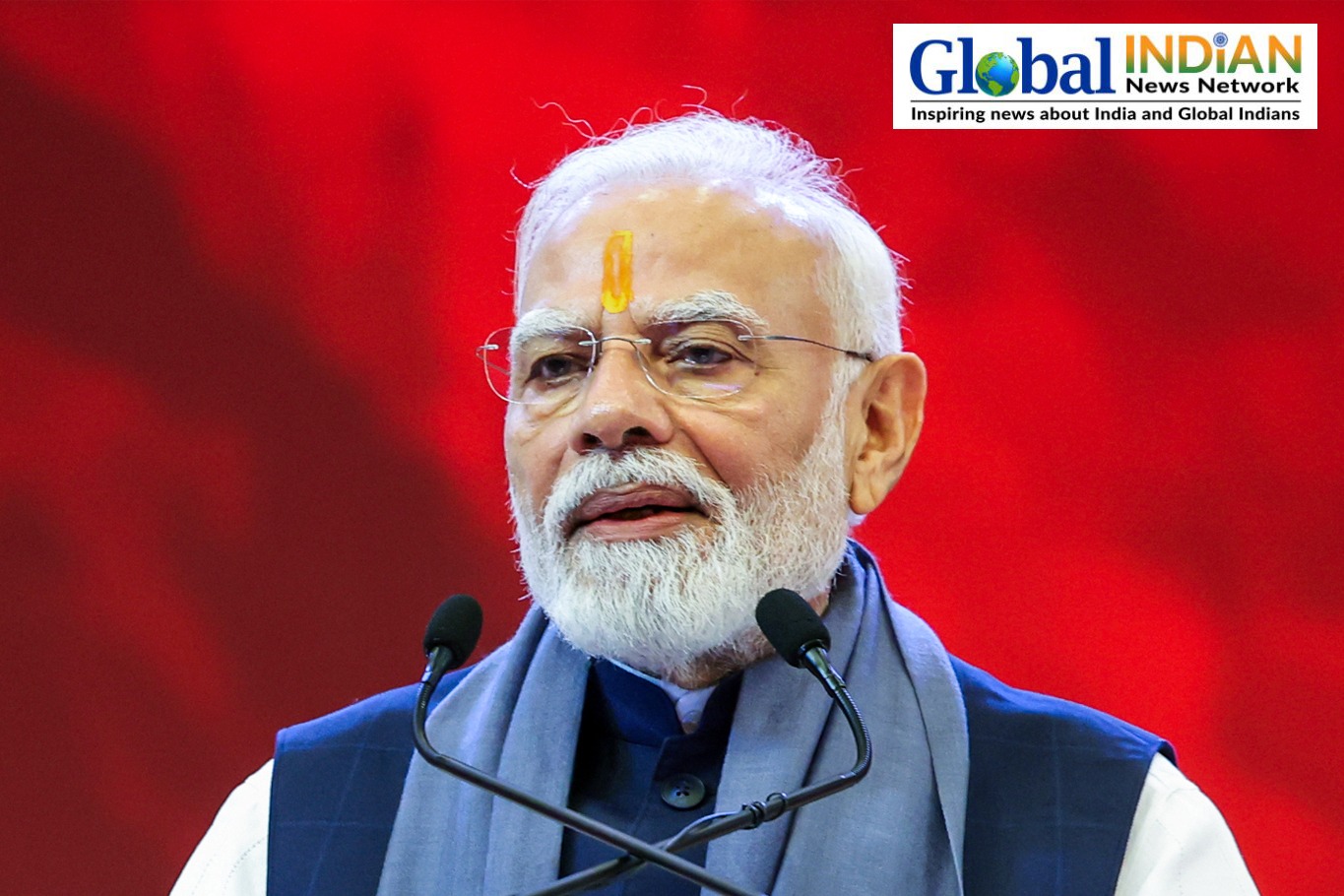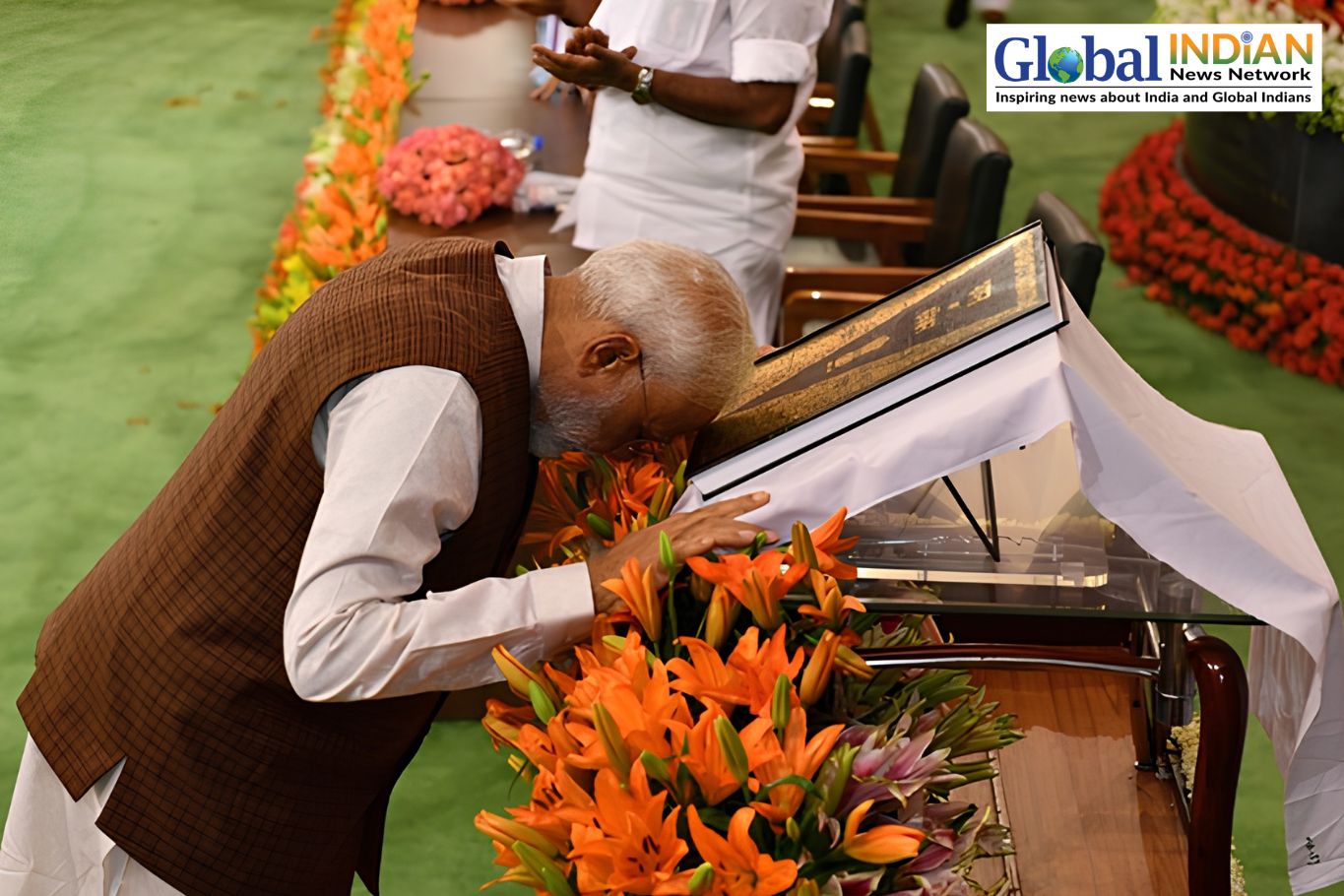
Prime Minister Narendra Modi has called upon citizens to uphold constitutional values, embrace their fundamental duties and contribute towards building a developed India by 2047. Highlighting the importance of Kartavya (duty) in the country’s development journey, the Prime Minister emphasised that constitutional principles must become an integral part of India’s collective consciousness, particularly among the younger generation.
In an opinion article published in newspapers on the occasion of Constitution Day, the Prime Minister reflected on the significance of the adoption of the Indian Constitution in 1949 and its continuing relevance in shaping the nation’s democratic framework. He underlined the importance of translating constitutional ideals into everyday actions through responsible citizenship, public participation and a shared commitment to national development.
The emphasis on civic responsibility also finds expression in various public initiatives aimed at improving communities and protecting natural resources. Programmes such as the Swachh Bharat Mission, water conservation campaigns and environmental protection efforts demonstrate how individual and collective responsibilities can contribute to broader national objectives.
The Prime Minister also highlighted the importance of inclusive development in strengthening constitutional values. Government initiatives such as PM Awas Yojana, Pradhan Mantri Ujjwala Yojana, Ayushman Bharat, MUDRA and PM-SVANidhi have been designed to expand access to housing, clean cooking fuel, healthcare and financial opportunities, particularly for economically disadvantaged sections of society.
Referring to a recent World Bank report, the article highlighted that nearly 50 crore Indians had moved out of poverty. The observation underlined the role of economic development, welfare interventions and improved access to essential services in expanding opportunities for different sections of the population.
Digital transformation has also emerged as an important element of India’s development journey. Platforms such as the Unified Payments Interface (UPI) have expanded access to digital financial services, making transactions more accessible to individuals, small businesses and communities across different economic backgrounds. The growing adoption of digital technology is helping create new opportunities for financial inclusion and economic participation.
The Prime Minister also drew attention to the contributions of women members of the Constituent Assembly, recognising their role in shaping India’s constitutional framework. Their participation reflects the importance of equal representation and the need to ensure that constitutional rights and opportunities are accessible to every citizen, irrespective of gender or social background.
The emphasis on women’s participation also reinforces the broader objective of inclusive national development, where equal opportunities, education, economic independence and social empowerment remain important priorities.
As India advances towards its 2047 development vision, the focus on constitutional values and civic duties highlights the connection between individual responsibility and national progress. The call for placing India first in national endeavours underscores the importance of collective participation in strengthening democratic institutions, promoting social harmony and expanding development opportunities.
Upholding constitutional principles, respecting citizens’ rights and fulfilling individual responsibilities will remain central to India’s efforts to build an inclusive, prosperous and developed nation.