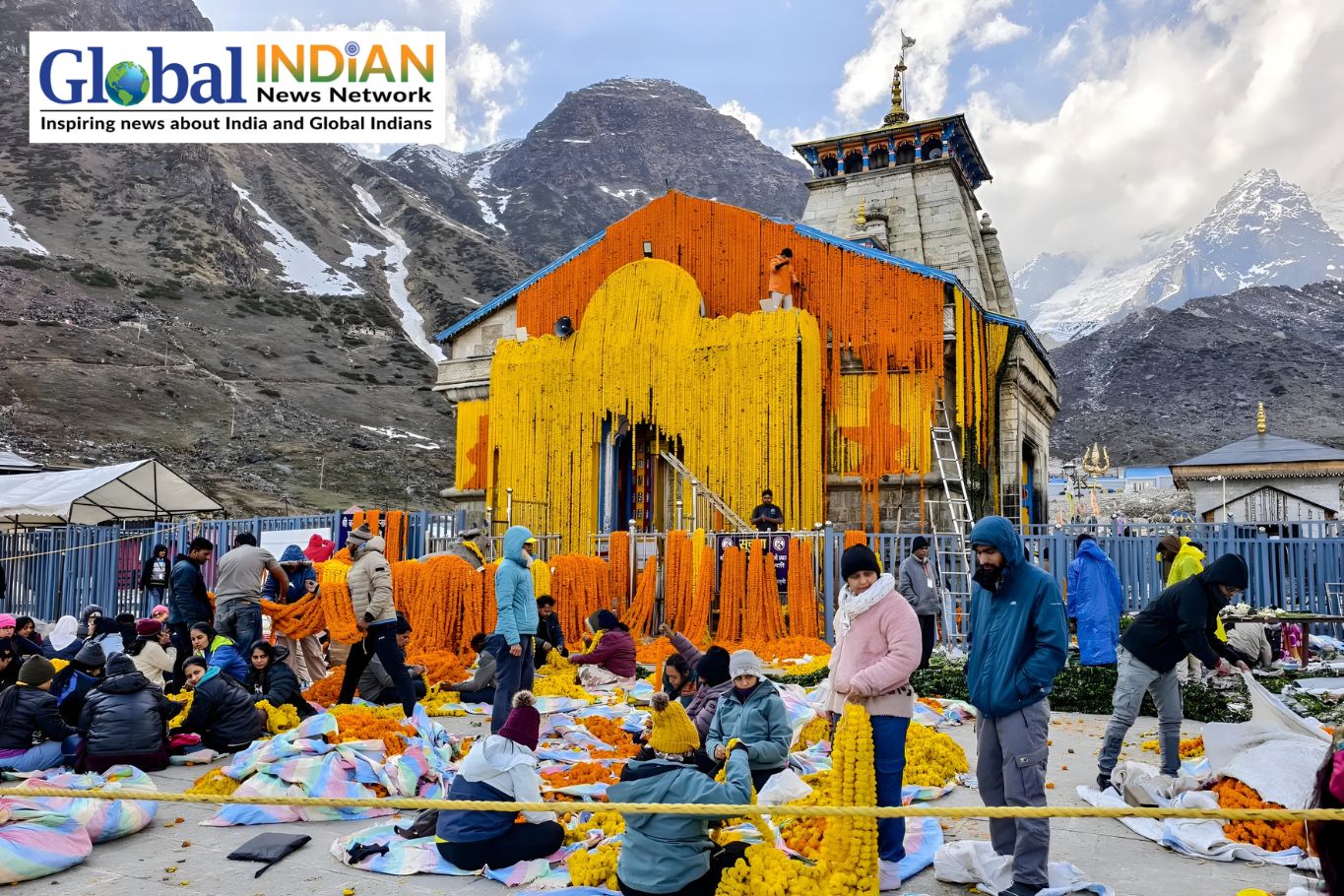
 Devotees visiting the sacred Kedarnath Temple have expressed strong support for the proposed ropeway project, saying it will make the pilgrimage significantly easier and more accessible. Many pilgrims believe the initiative will reduce physical strain and allow a larger number of people to undertake the spiritual journey to Kedarnath Dham with greater comfort.
Umesh Chandra Posti, a priest at Kedarnath and secretary of the Kedarnath Sabha, stated that the ropeway will be especially beneficial for those who are unable to complete the traditional trek due to physical limitations. He noted that once the system becomes operational, even elderly and differently-abled devotees will be able to visit the shrine without difficulty. According to him, improved facilities will naturally lead to an increase in the number of pilgrims visiting the holy site.
Currently, thousands of devotees travel to Kedarnath every year through a combination of road, air, and trekking routes. The final stretch involves a challenging 19 km uphill trek from Gaurikund to the temple. Pilgrims either walk the entire distance or rely on ponies, mules, or helicopter services operating from nearby locations such as Phata and Sersi.
Visitors have also welcomed the proposed development. Kalpesh, a pilgrim from Surat in Gujarat, said the ropeway would be a major relief for those unable to walk long distances or use animal transport. He added that the project would likely encourage many more people to visit the shrine once it becomes operational.
The proposed ropeway will connect Sonprayag to Kedarnath and is expected to be developed by Adani Enterprises Limited at an estimated cost of around $49 million (approximately Rs 4,081 crore). Spanning nearly 12.9 km, the project is designed to significantly improve connectivity to one of India’s most important pilgrimage sites.
Once completed, the ropeway is expected to reduce travel time from nearly 8 to 9 hours to just about 36 minutes. It will have the capacity to transport around 1,800 passengers per hour in one direction. The system will also introduce India’s first 3S tri-cable ropeway technology, known for its advanced safety features and stability.
Devotees like Bhanu Pratap from Rajasthan highlighted that the project would particularly benefit senior citizens. Others, including Digambar Negi, noted that improved access would also support local businesses and boost tourism-related income. Khushboo Panchal from Ahmedabad added that the ropeway would help individuals with health issues fulfill their long-standing desire to visit the shrine.
The project, being developed under a Public-Private Partnership model, is expected to take 4 to 6 years to complete and is widely seen as a major step toward transforming pilgrimage infrastructure in Uttarakhand.