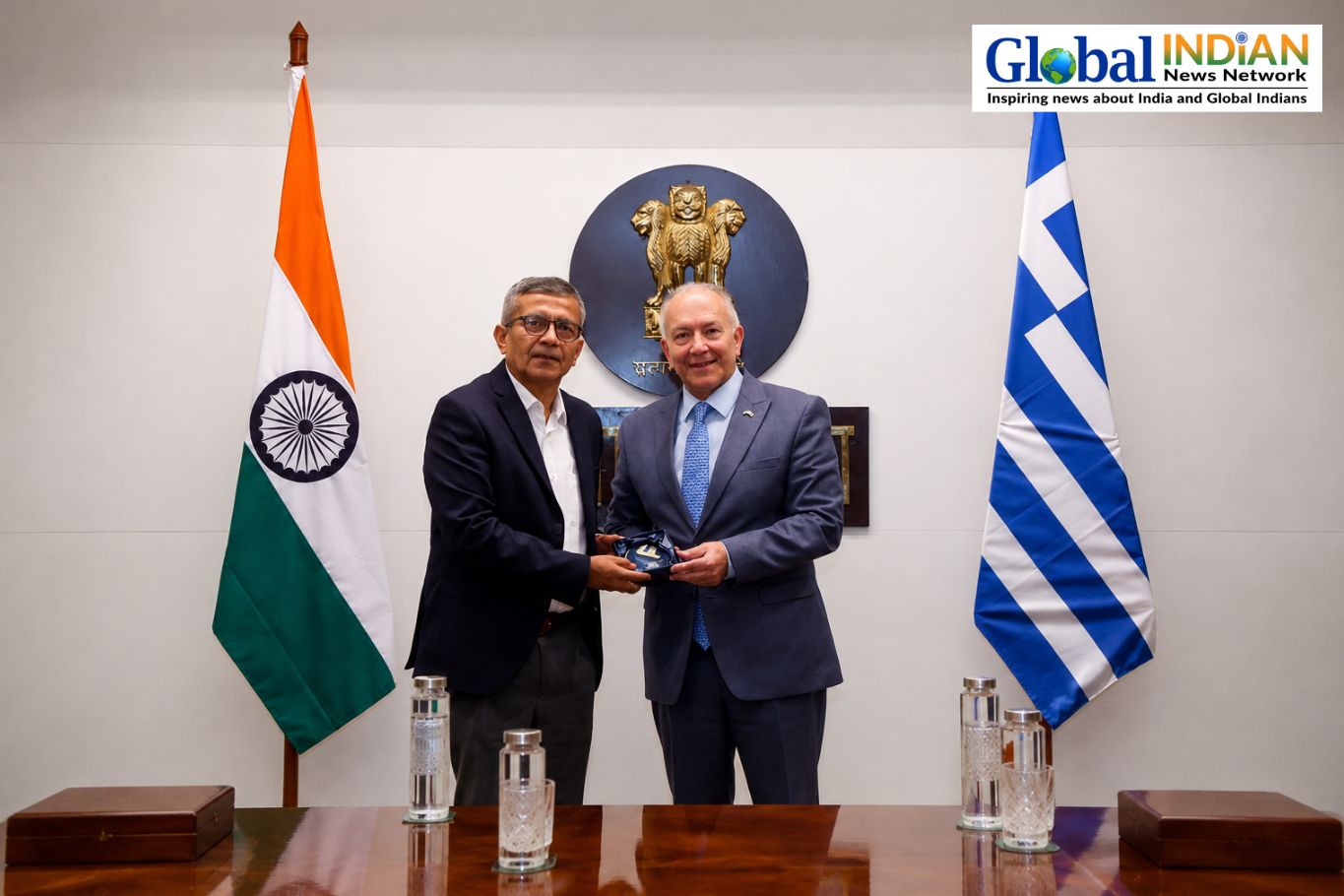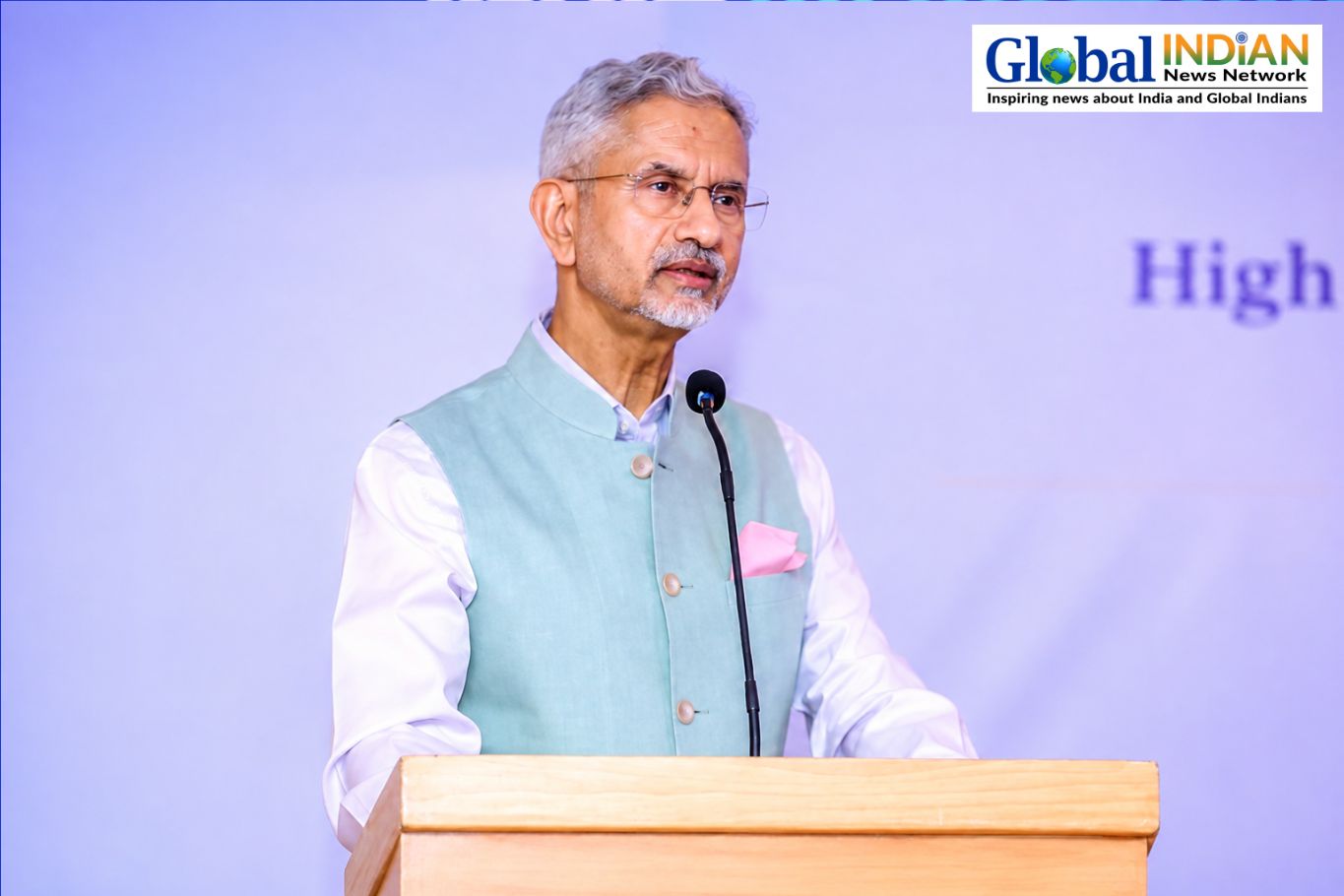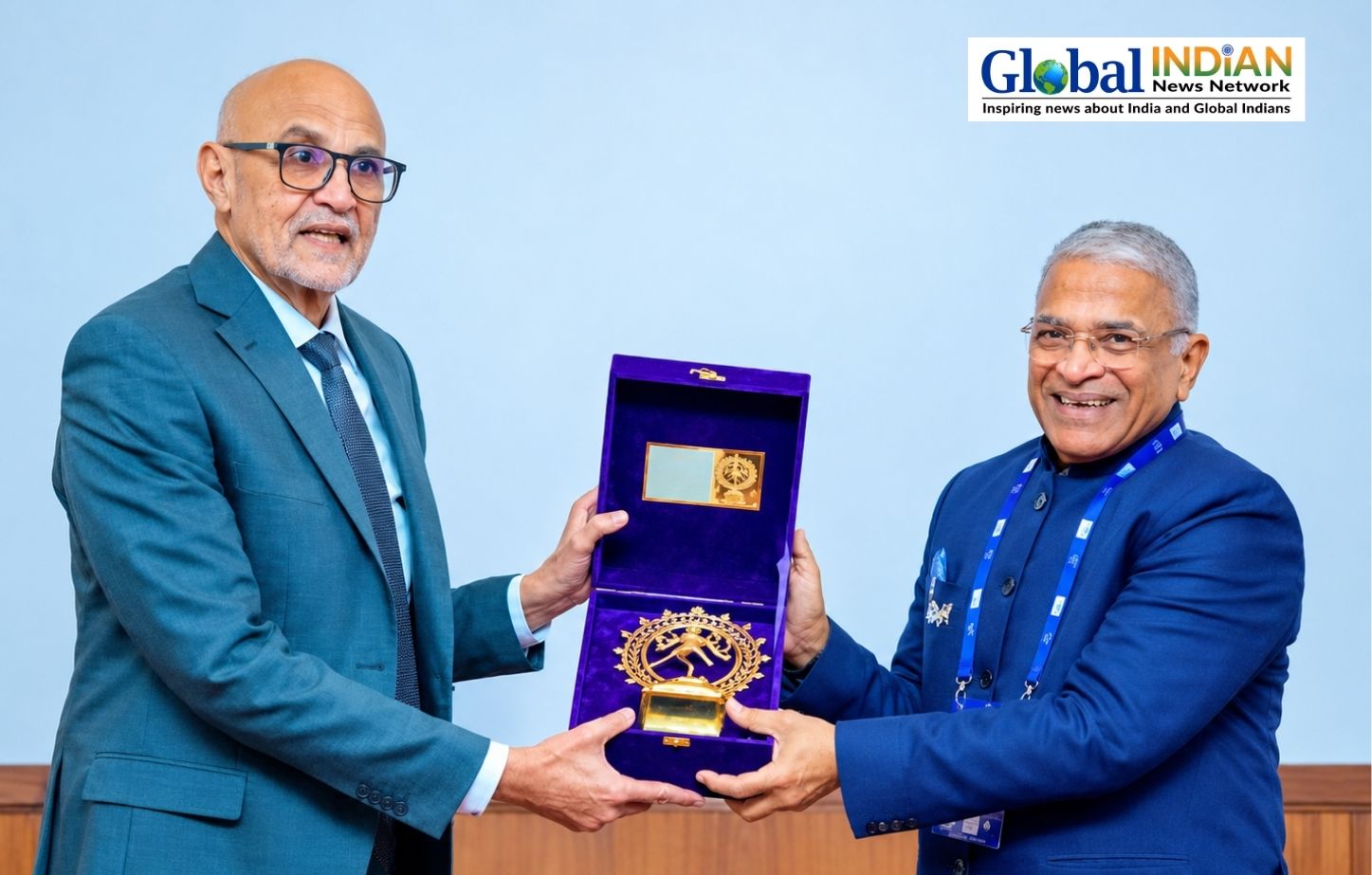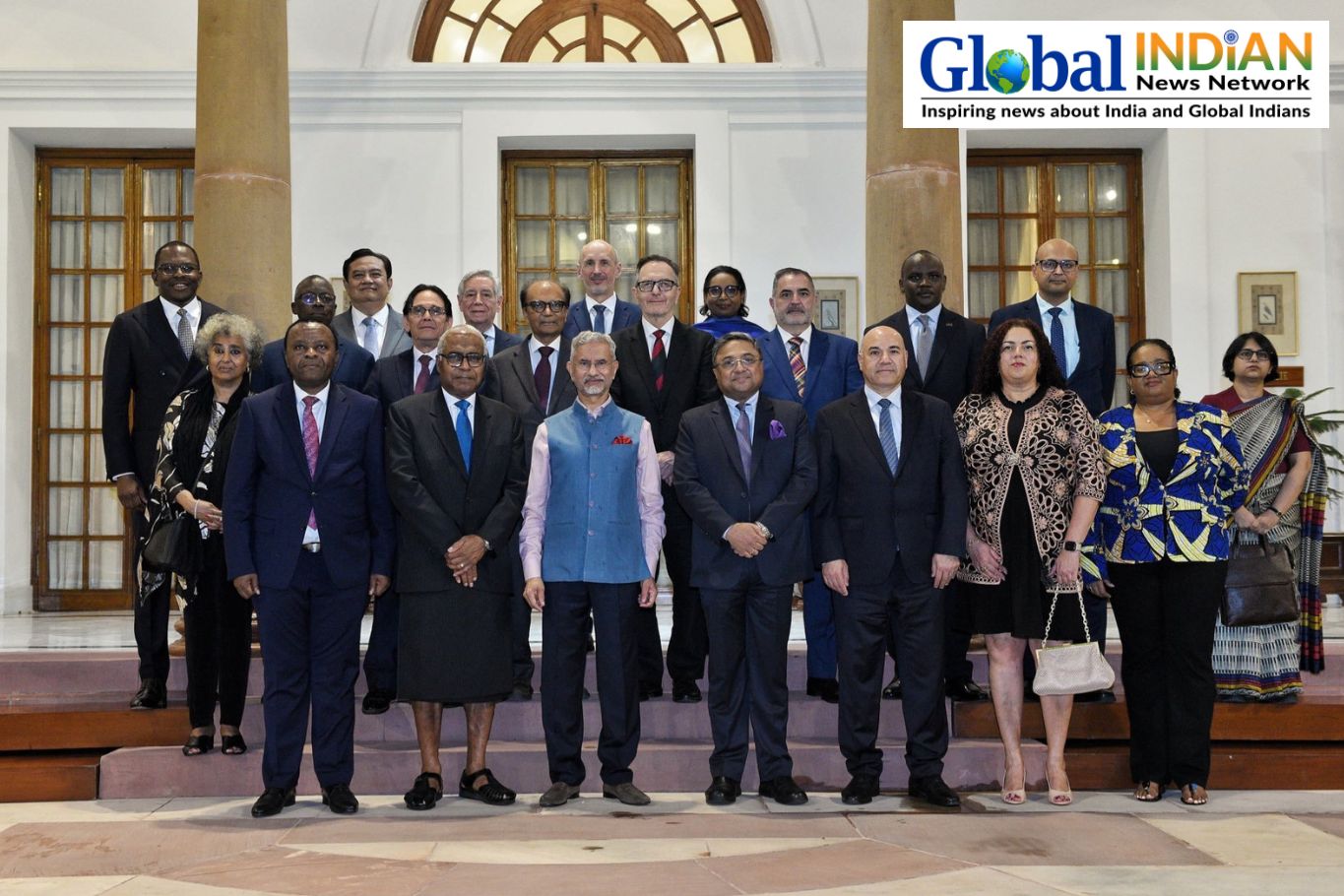
External Affairs Minister S. Jaishankar met with Permanent Representatives of the United Nations from 17 countries during their official study visit to India, using the opportunity to emphasize the importance of modernizing global governance. The discussions focused on the growing need for international institutions to better reflect the interests and aspirations of developing nations as the global political landscape continues to evolve.
Sharing details of the meeting on X, Jaishankar expressed his pleasure in interacting with the visiting diplomats and stressed that reforms in multilateral institutions have become increasingly important. He said that the changing world order requires international organizations to represent the Global South more effectively and respond to present-day global challenges with greater inclusivity.
According to the minister, the conversations extended beyond institutional reforms and covered a range of issues affecting international cooperation. Topics included technological advancements, maritime security, peacekeeping operations, disaster management, and development partnerships. Jaishankar also conveyed his best wishes to the delegation for a productive and enjoyable stay in India.
The diplomatic engagement follows a welcome dinner hosted earlier this week by MEA Secretary (West) Sibi George for the visiting delegation. During the gathering, George shared India’s views on strengthening multilateral institutions and highlighted the country’s commitment to constructive engagement within the United Nations. The Ministry of External Affairs stated that the week-long visit is designed to familiarize the delegates with India’s priorities and perspectives on international affairs.
The meeting also comes shortly after India officially launched its campaign for a non-permanent seat on the United Nations Security Council for the 2028–29 term. While unveiling the campaign in New York last month, Jaishankar outlined India’s vision of a more representative, efficient, and forward-looking global system capable of addressing modern geopolitical realities.
He reiterated that India’s approach to international diplomacy is guided by the SHANTI framework, which stands for Securing Holistic Advancement through Norms, Trust and Integrity. Under this vision, India aims to promote global peace, strengthen international security, improve peacekeeping efforts, and ensure that developing nations have a stronger voice in shaping decisions that affect the international community. The minister maintained that meaningful reforms and greater cooperation remain essential to building a fair, peaceful, and balanced global order.