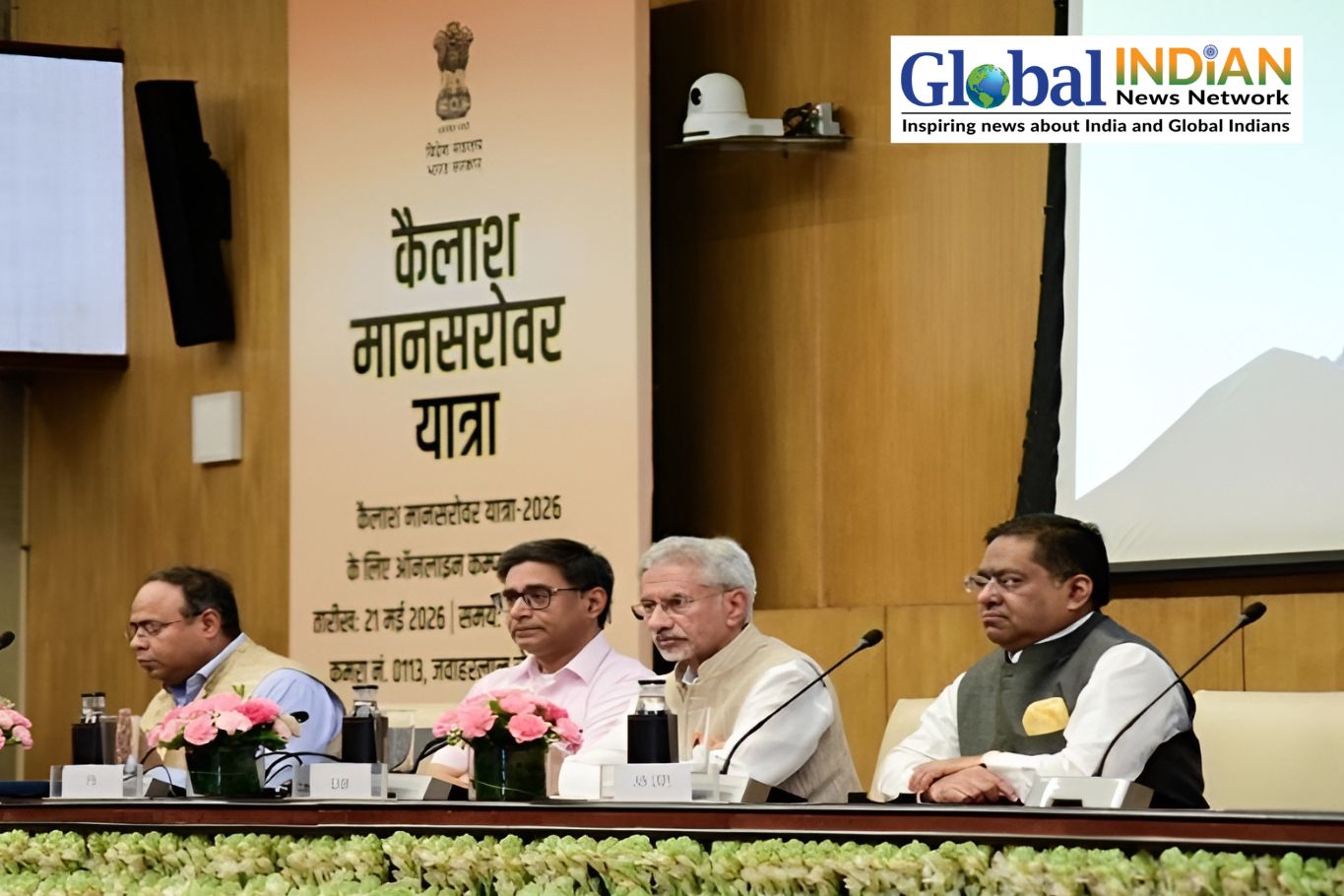
 External Affairs Minister S. Jaishankar conducted the computerised draw for the selection of pilgrims for the Kailash Mansarovar Yatra 2026, marking the formal commencement of preparations for one of the most significant spiritual pilgrimages for devotees across India.
According to the Ministry of External Affairs, a total of 1,000 pilgrims have been selected through a fully computerised, fair, random, and gender-balanced selection process. The annual pilgrimage is scheduled to begin in June and conclude in August, with pilgrims travelling in 20 batches consisting of 50 yatris each.
The selected pilgrims will undertake the sacred journey through the Lipulekh Pass in Uttarakhand and the Nathu La Pass in Sikkim. Authorities stated that both routes are now fully motorable, significantly reducing the trekking difficulties that pilgrims previously faced during the high-altitude expedition.
The Ministry highlighted that the entire process, from online application submission to final selection, has been digitised to ensure transparency and efficiency. The Yatra is organised by the Ministry of External Affairs in coordination with the Government of China.
The Kailash Mansarovar Yatra holds immense religious significance for Hindus, who consider Mount Kailash the abode of Lord Shiva. The pilgrimage is also revered by Buddhists and Jains, making it one of Asia’s most spiritually important journeys.
The pilgrimage had remained suspended from 2020 until the summer of 2025 due to the Covid-19 pandemic and the subsequent pause in travel arrangements. Its continuation now reflects improving bilateral coordination and renewed logistical arrangements between India and China for religious travel.
The Ministry also reiterated that the pilgrimage remains physically demanding despite infrastructure improvements. Pilgrims travel through regions reaching altitudes of nearly 19,500 feet under harsh climatic conditions, making medical fitness and preparation essential.
Several Indian agencies and state governments are involved in managing the pilgrimage. The governments of Uttarakhand, Delhi, and Sikkim, along with the Indo-Tibetan Border Police (ITBP), provide logistical and security support. Organisations such as the Kumaon Mandal Vikas Nigam and the Sikkim Tourism Development Corporation assist in accommodation, transport, and operational arrangements for each batch.
Earlier this month, India also clarified that the Lipulekh Pass has historically served as a traditional route for the Kailash Mansarovar Yatra since 1954, reaffirming its longstanding use amid regional discussions concerning border-related issues.
The 2026 Yatra is expected to witness strong participation as devotees prepare once again for the spiritually significant journey to Mount Kailash and Lake Mansarovar after years of disruption.