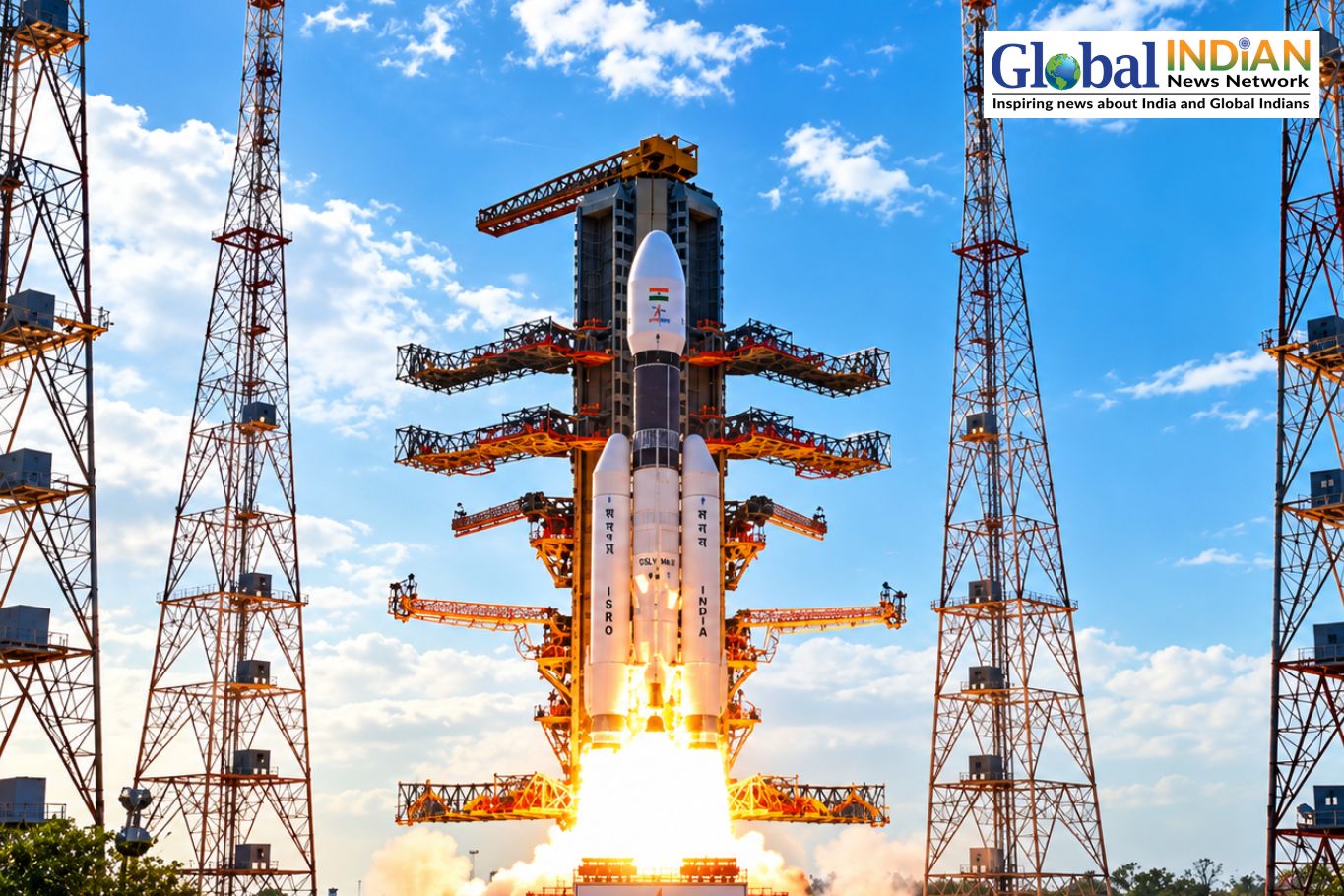
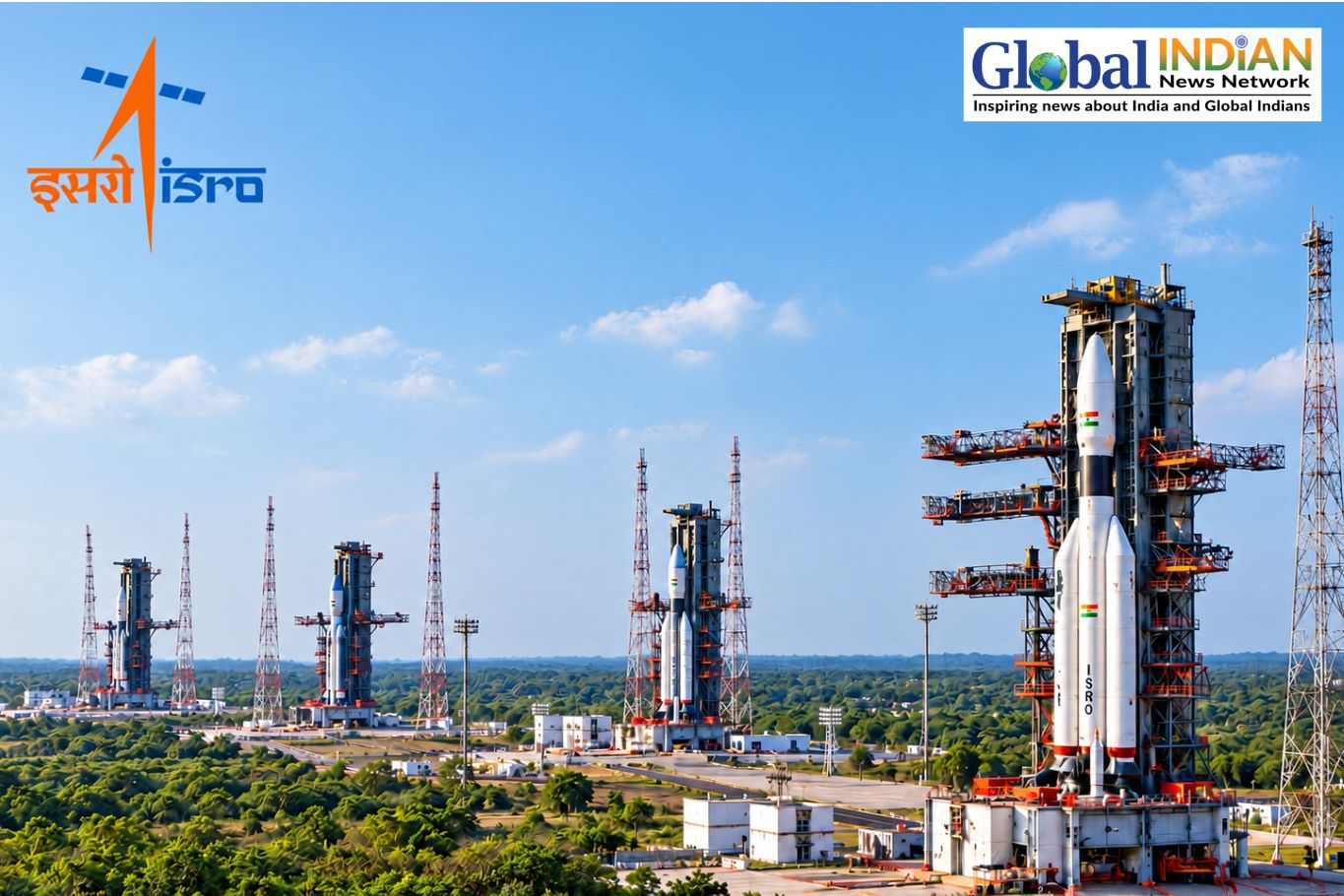
 India is preparing to expand its space launch infrastructure, with four operational launch pads planned by 2029, according to Indian Space Research Organisation (ISRO) Chairman V. Narayanan. Speaking at a university convocation in Porur near Chennai, he outlined plans to accommodate growing demand for satellite launches from domestic and international customers.
The proposed expansion includes a dedicated 2,000-acre Small Satellite Launch Vehicle (SSLV) complex at Kulasekarapattinam in Tamil Nadu’s Tuticorin district, along with a third launch pad at Sriharikota. The new spaceport is expected to include satellite integration facilities, launch infrastructure, rail-track systems, and telemetry, tracking, and command capabilities.
Narayanan also provided an update on India’s Gaganyaan human spaceflight program. ISRO plans to conduct its first uncrewed test within the next two months, followed by two additional uncrewed missions before attempting a crewed flight. These tests will assess environmental control systems, safety mechanisms, crew escape arrangements, and spacecraft interiors under different pressure, temperature, and humidity conditions. The agency has completed approximately 8,000 ground-based experiments for the program, while four astronaut-designates continue specialized training.
Another major initiative is Chandrayaan-5, a proposed lunar exploration mission being developed in collaboration with Japan’s space agency. The mission is expected to carry a 350-kilogram rover designed to conduct scientific experiments on the Moon’s surface over 100 days.
Narayanan also clarified that ISRO would not be privatized. Instead, he emphasized the importance of working with private-sector companies to meet increasing demand for thousands of satellites. The strategy combines expanded launch infrastructure, human spaceflight preparations, international cooperation, and industry partnerships to support India’s growing space ambitions.