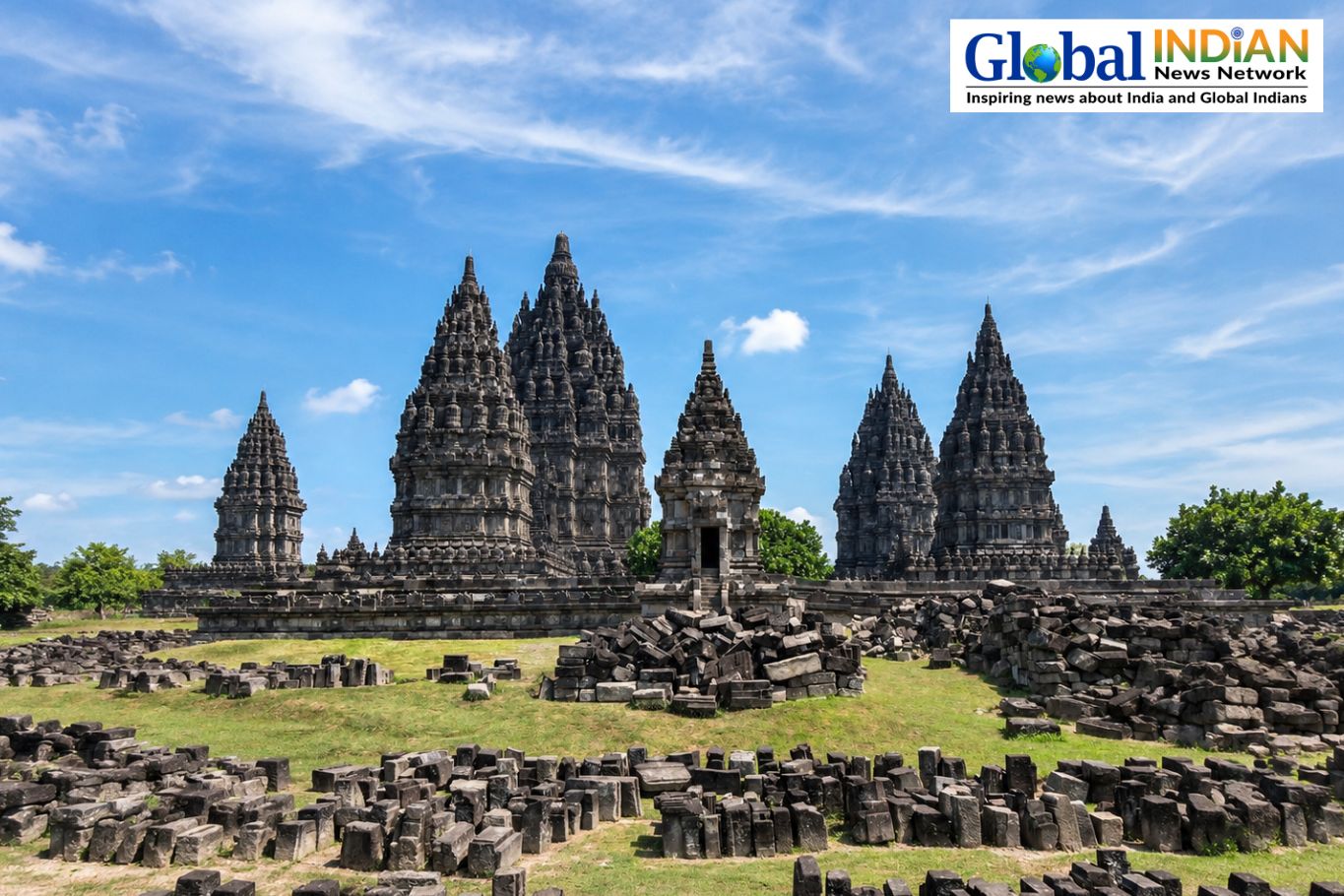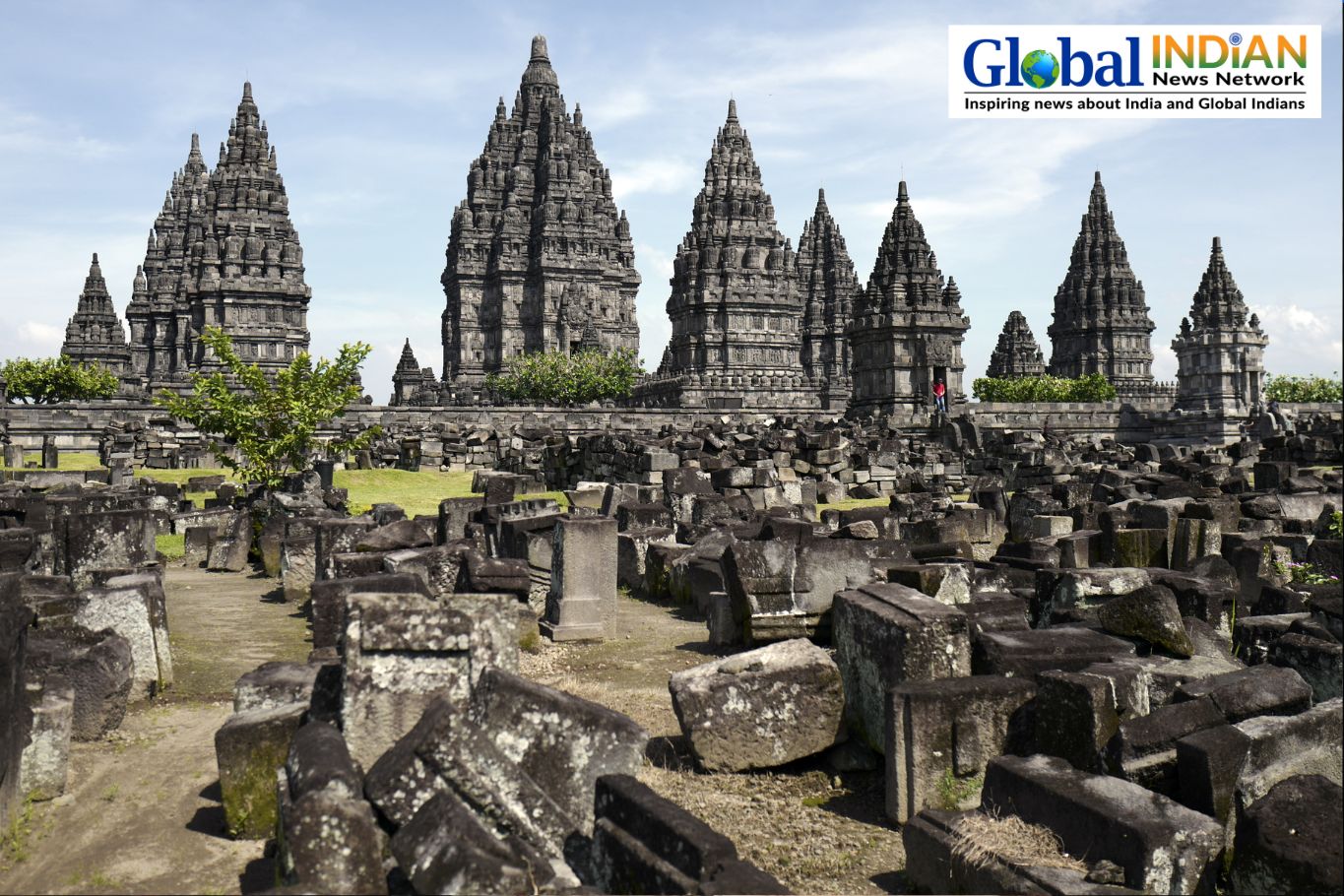
Indonesia has renewed a key agreement governing the use of four of the country’s renowned historic temples for religious activities, strengthening opportunities for Hindu and Buddhist communities to conduct worship and pilgrimage at the sacred sites.
The Indonesian Ministry of Tourism, along with other government ministries, agencies, and local administrations, updated and renewed the Memorandum of Understanding covering Prambanan, Borobudur, Mendut, and Pawon Temples. The agreement applies to Hindu and Buddhist communities in Indonesia as well as devotees visiting from other parts of the world.
Under the renewed framework, Prambanan Temple will continue to serve as a designated place of worship for Hindus, while Borobudur, Mendut, and Pawon Temples will be used for Buddhist religious activities.
Indonesian Tourism Minister Widiyanti Putri Wardhana said the updated agreement reflects the government’s efforts to strengthen the temples’ position as internationally recognized destinations for religious and spiritual tourism. At the same time, the framework emphasizes the importance of protecting the historical and cultural significance of the sites.
The revised agreement also updates administrative provisions to reflect changes in the structure and names of government ministries and agencies. Officials said the changes are intended to make cooperation more flexible and better suited to the future development of tourism around the temple complexes.
Beyond religious ceremonies, the four temples are expected to support Hindu Tirtha Yatra and Buddhist Dharmayatra pilgrimage activities. They will also serve as venues for religious, cultural, and spiritual tourism, creating opportunities for visitors to experience the sites through their historical and religious significance.
The agreement further envisions the temples as centers for research and innovation involving religion, history, art, and culture. Local communities are also expected to play a greater role, with community empowerment included among the objectives of the partnership.
Coordinating Minister for Human Development and Cultural Affairs Pratikno welcomed the renewed commitment among the participating institutions. He called for broader public cooperation to ensure that religious communities can worship peacefully while visitors can experience Indonesia’s heritage in meaningful ways.
The government also sees the initiative as an opportunity to generate wider economic benefits. Increased pilgrimage and heritage tourism could support local businesses and communities around the temples while contributing to regional economic activity.
By combining religious access, heritage conservation, research, community participation, and sustainable tourism, Indonesia is seeking to give these historic temple complexes a broader role in its cultural and spiritual tourism landscape.